Image Ads — AI Statics & The Ugly Ad Principle
The ugly ad wins. Native content beats polished studio shoots. The first 3 seconds are everything. 85% of viewers have sound off. Here's the AI-powered production system for static and video creatives — built to get 30–50 ads live fast.
Study these before you build your own. Click any image to magnify, or use the arrows to browse.
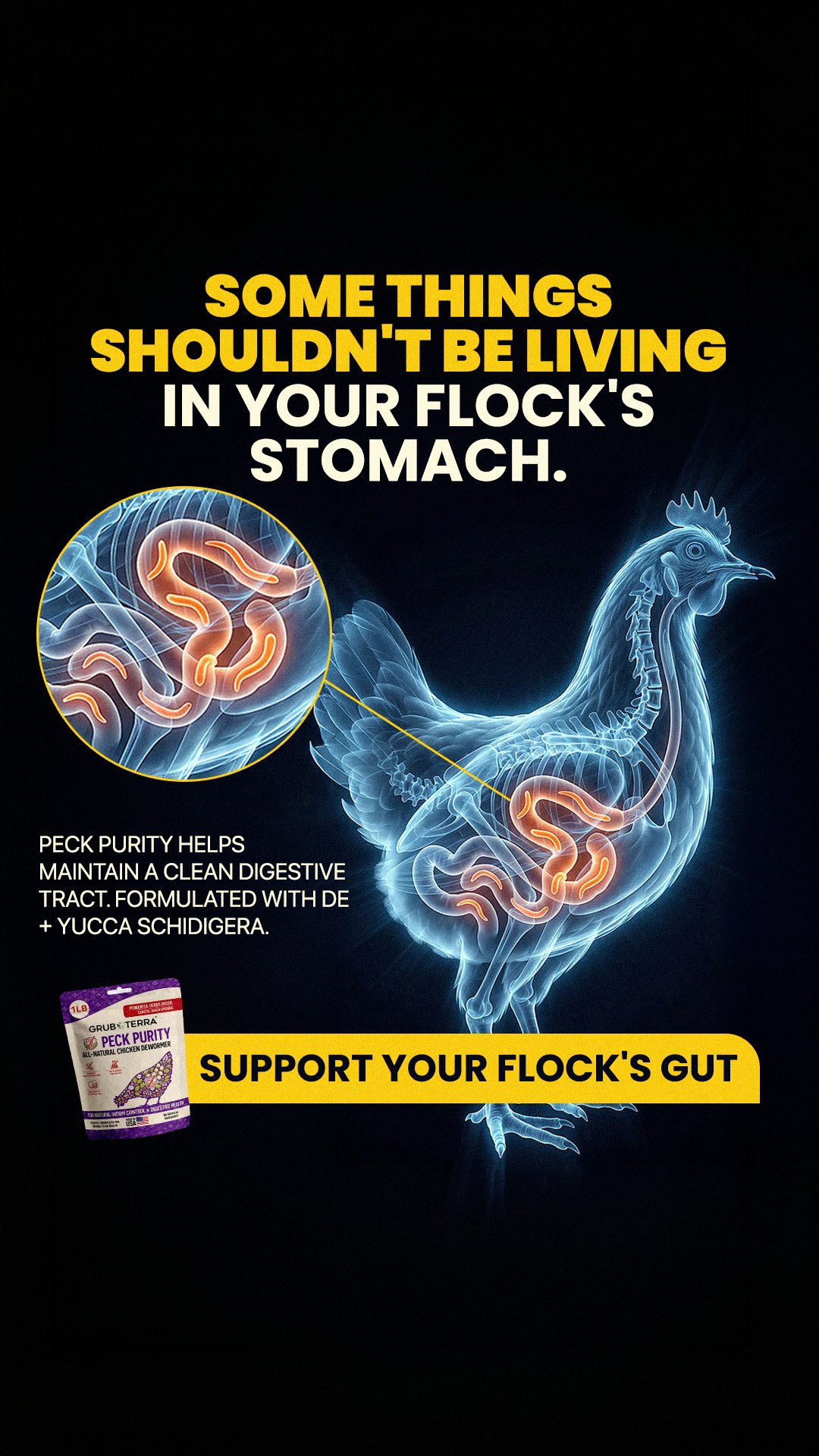
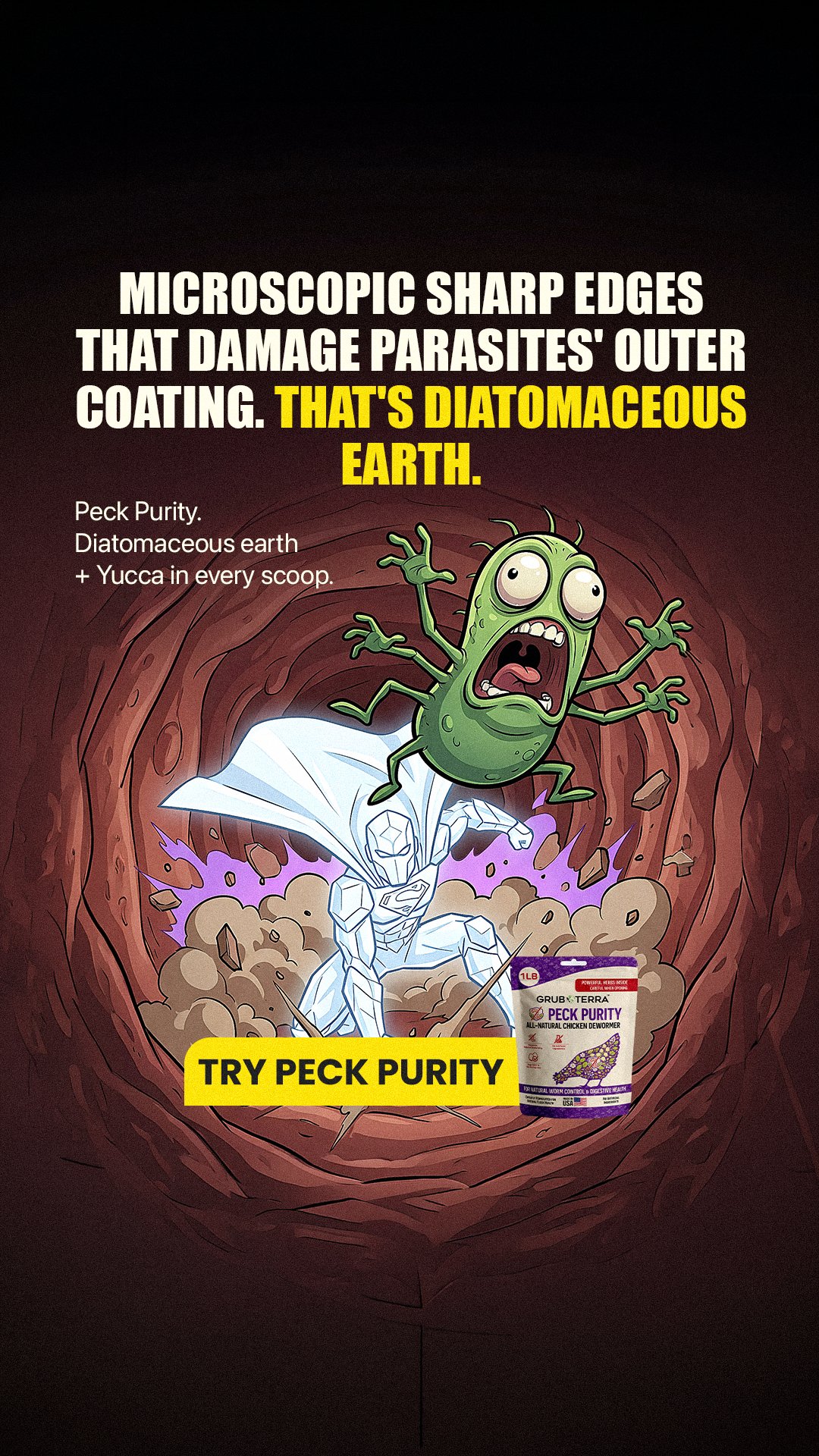
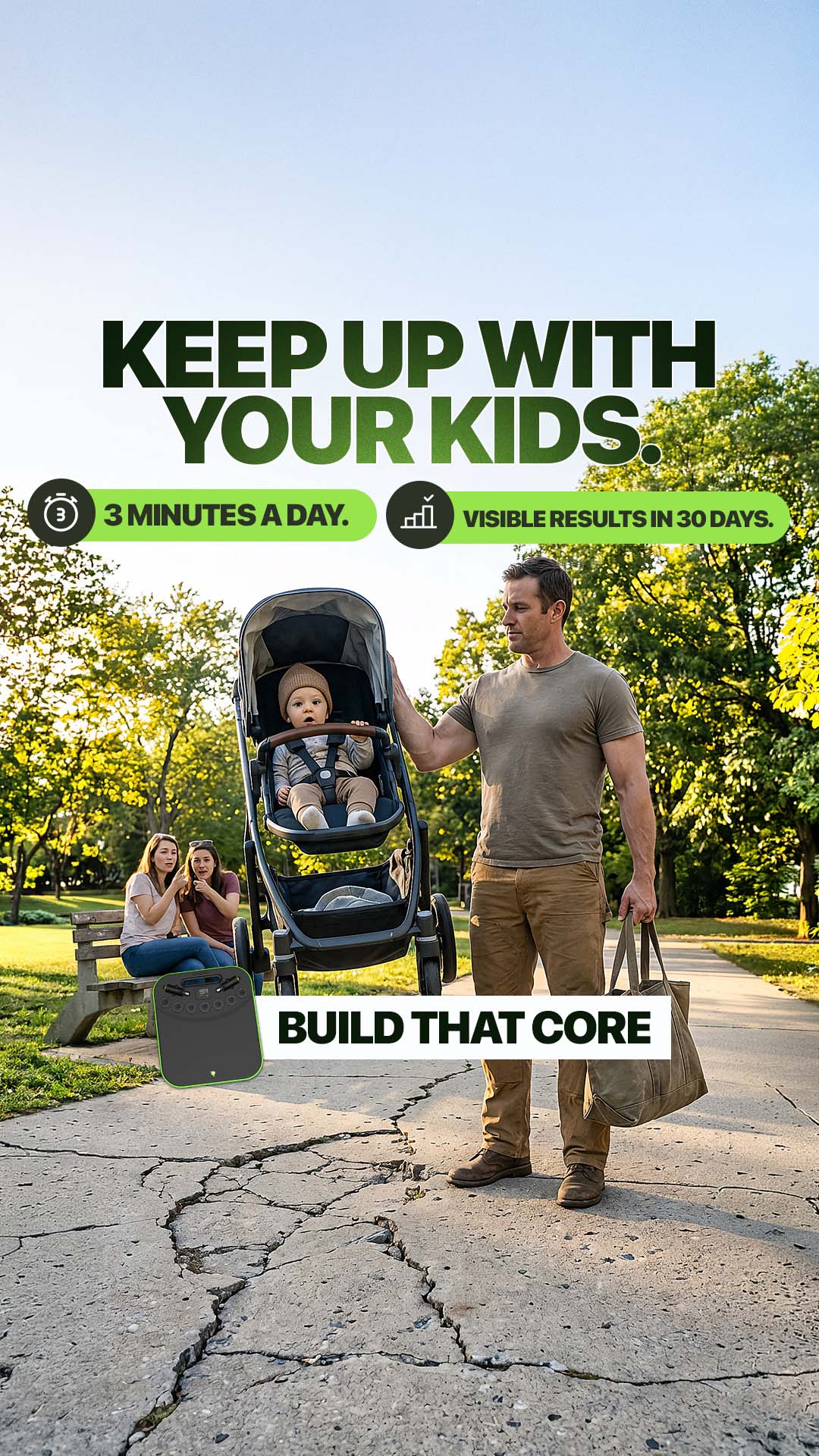
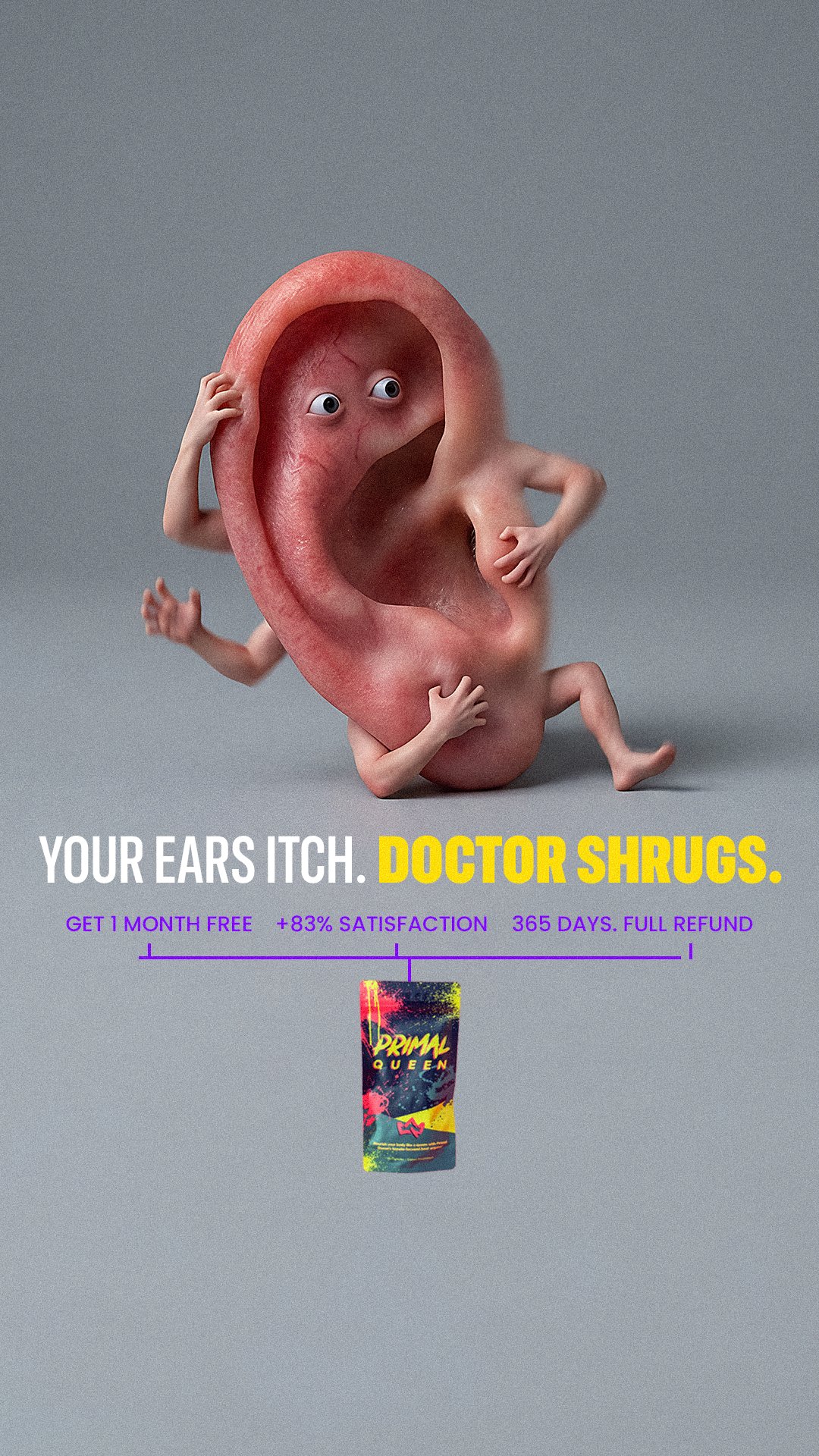
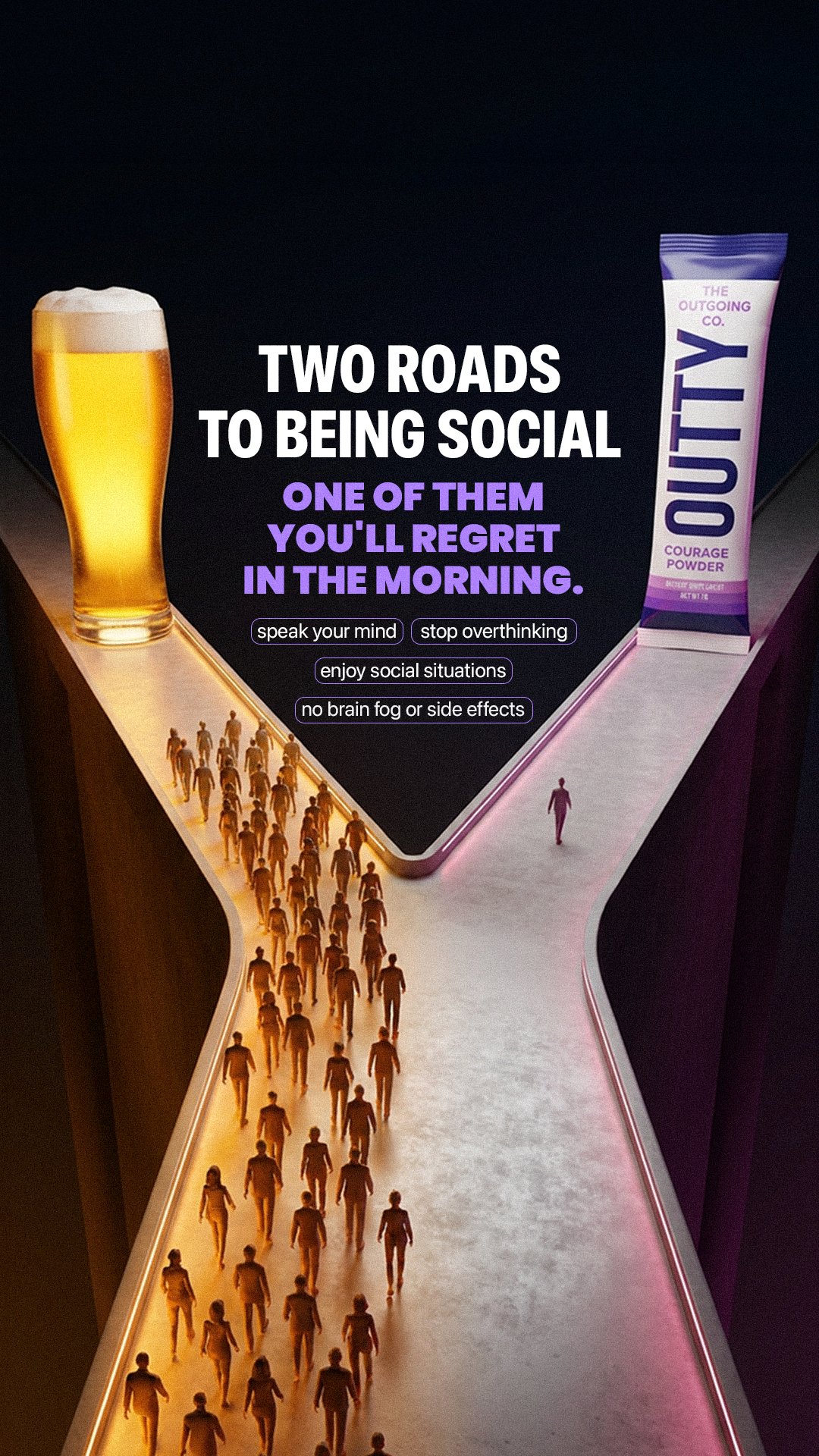
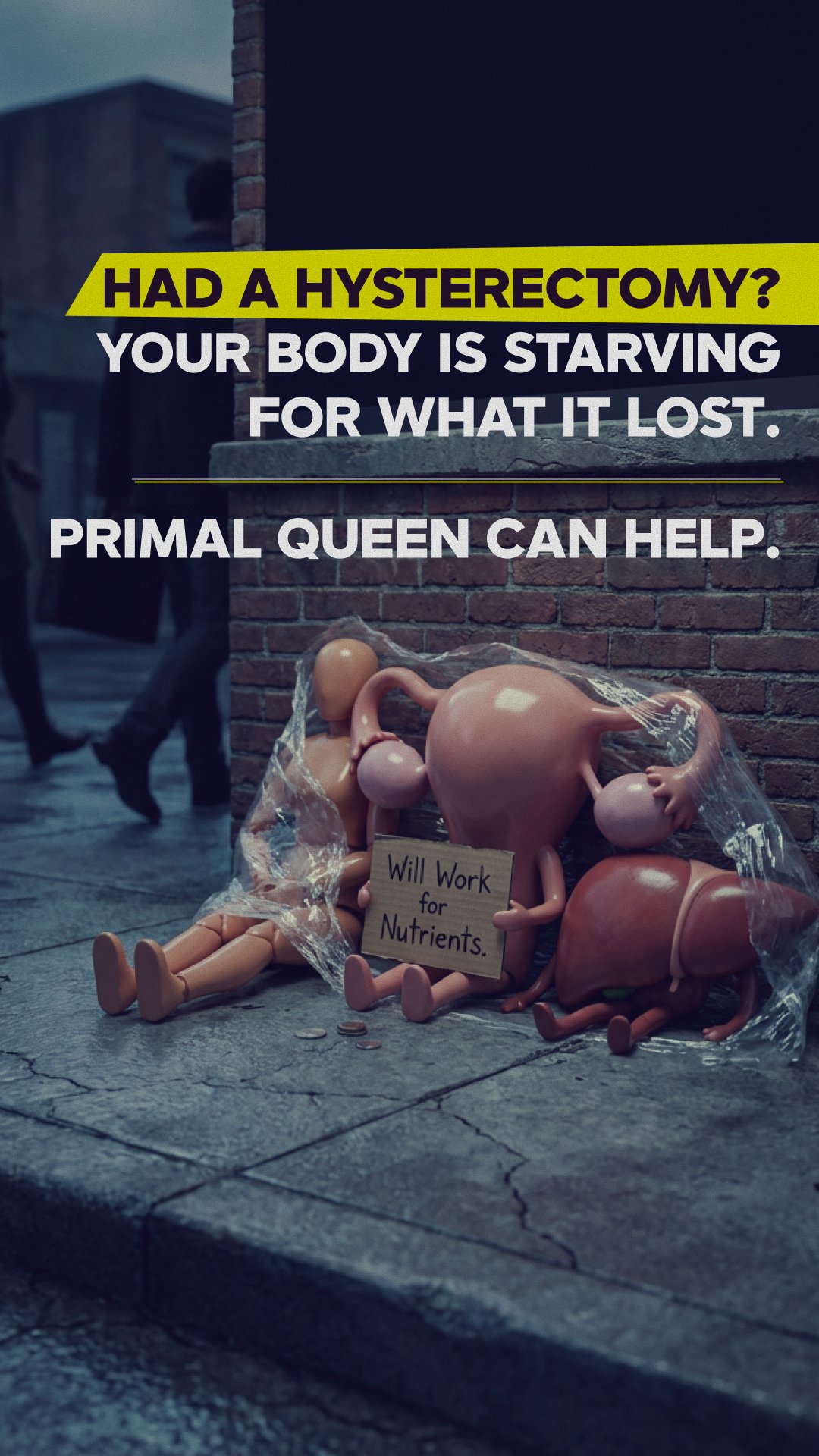
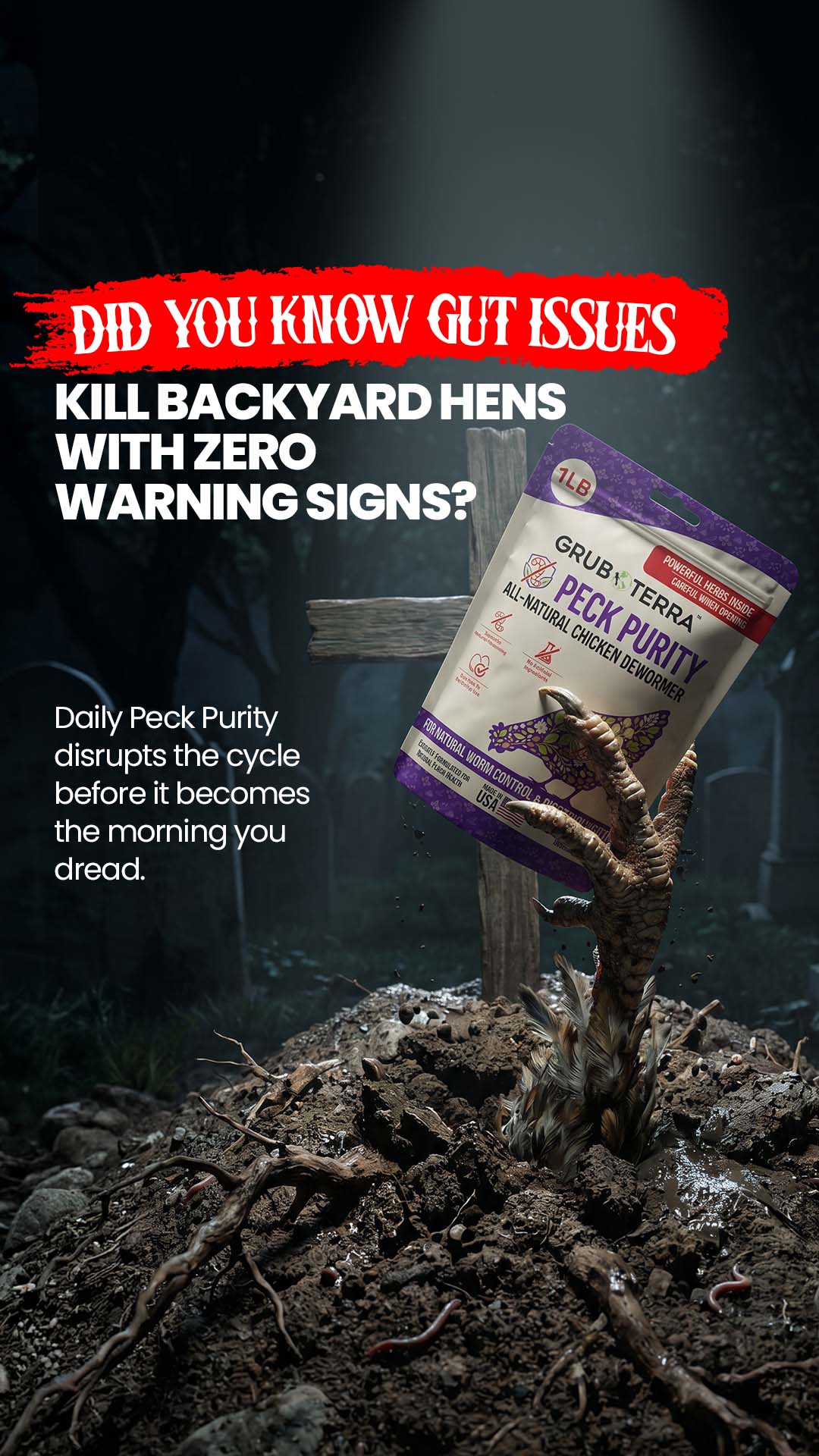
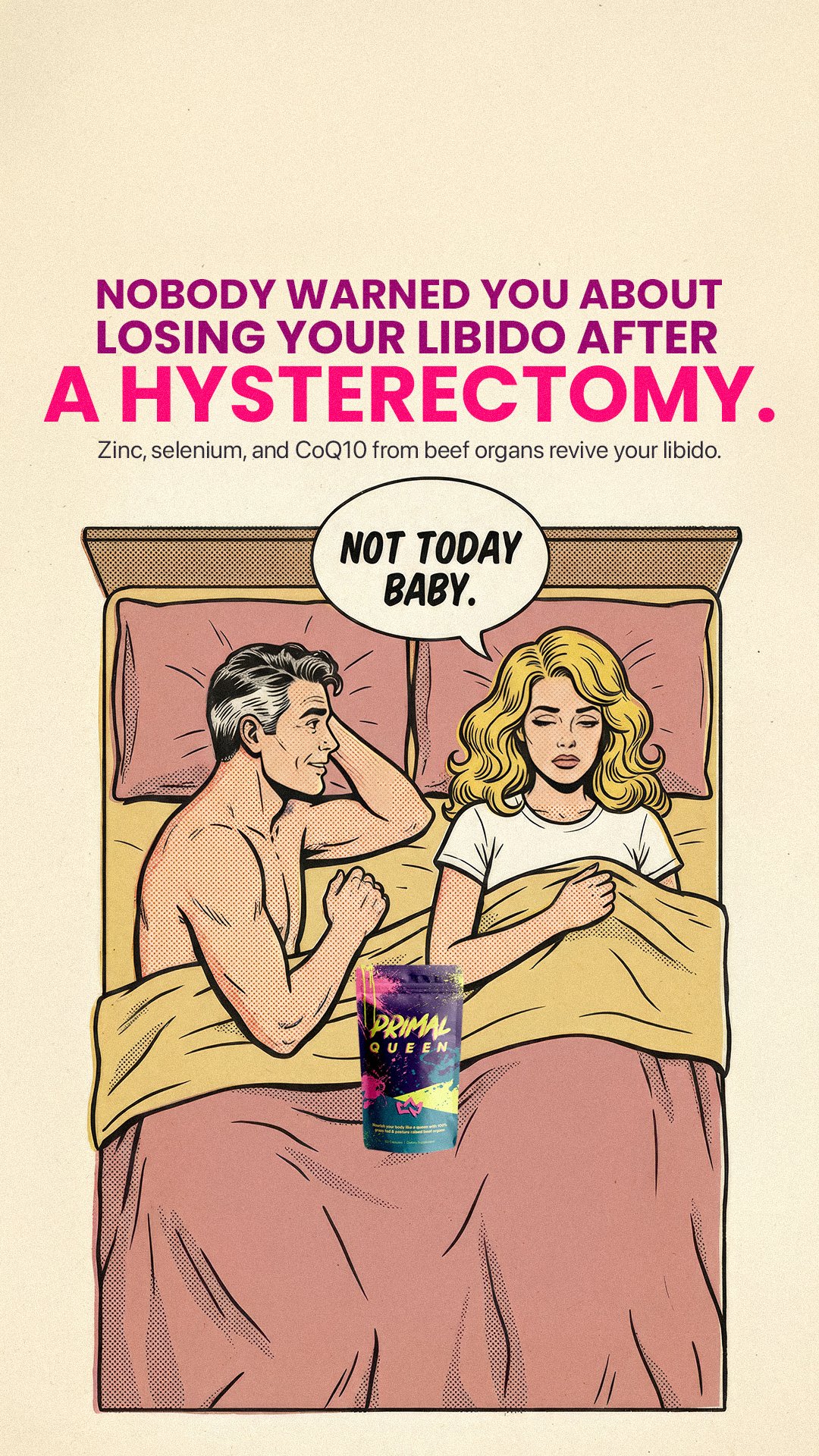
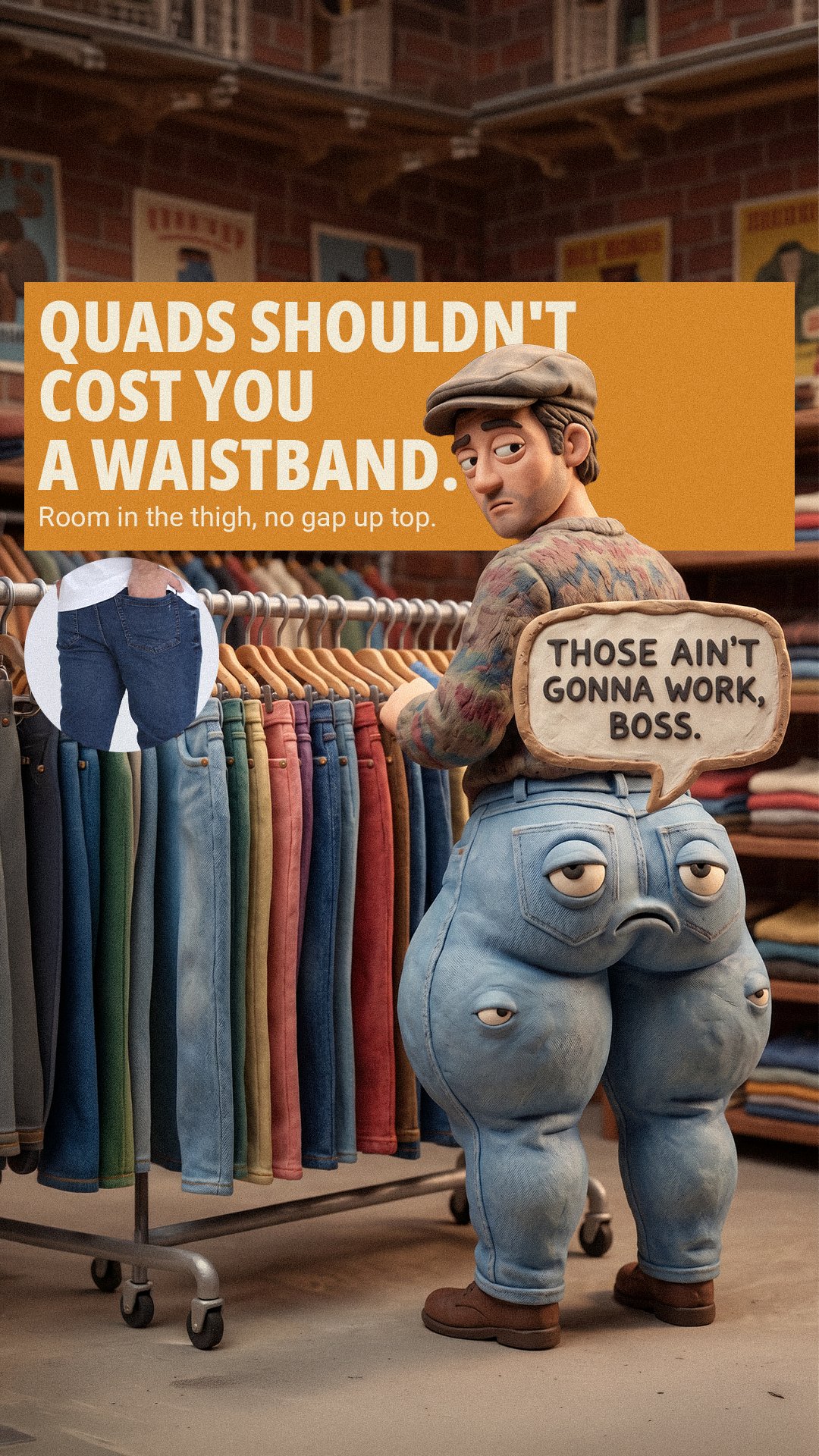
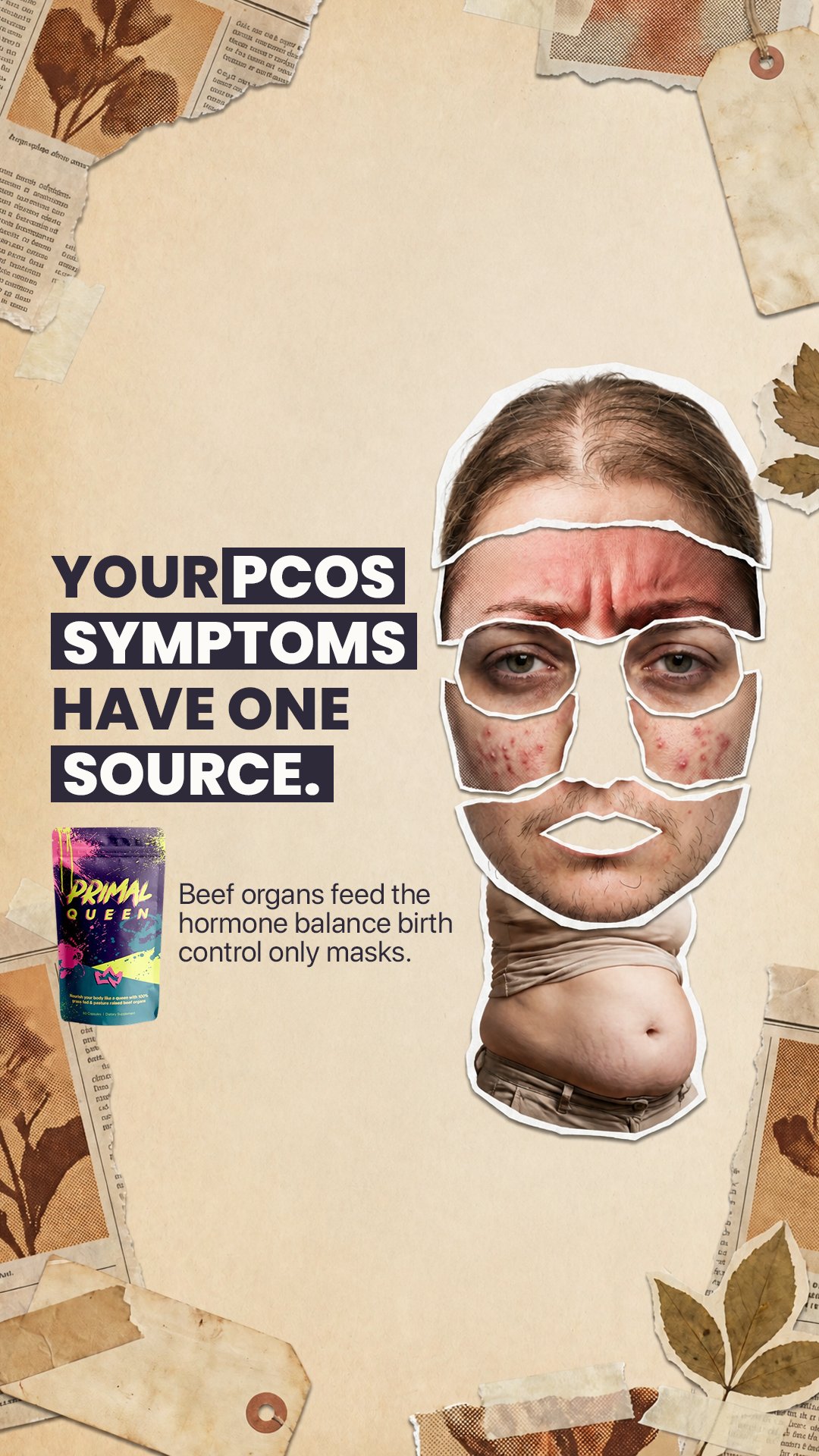
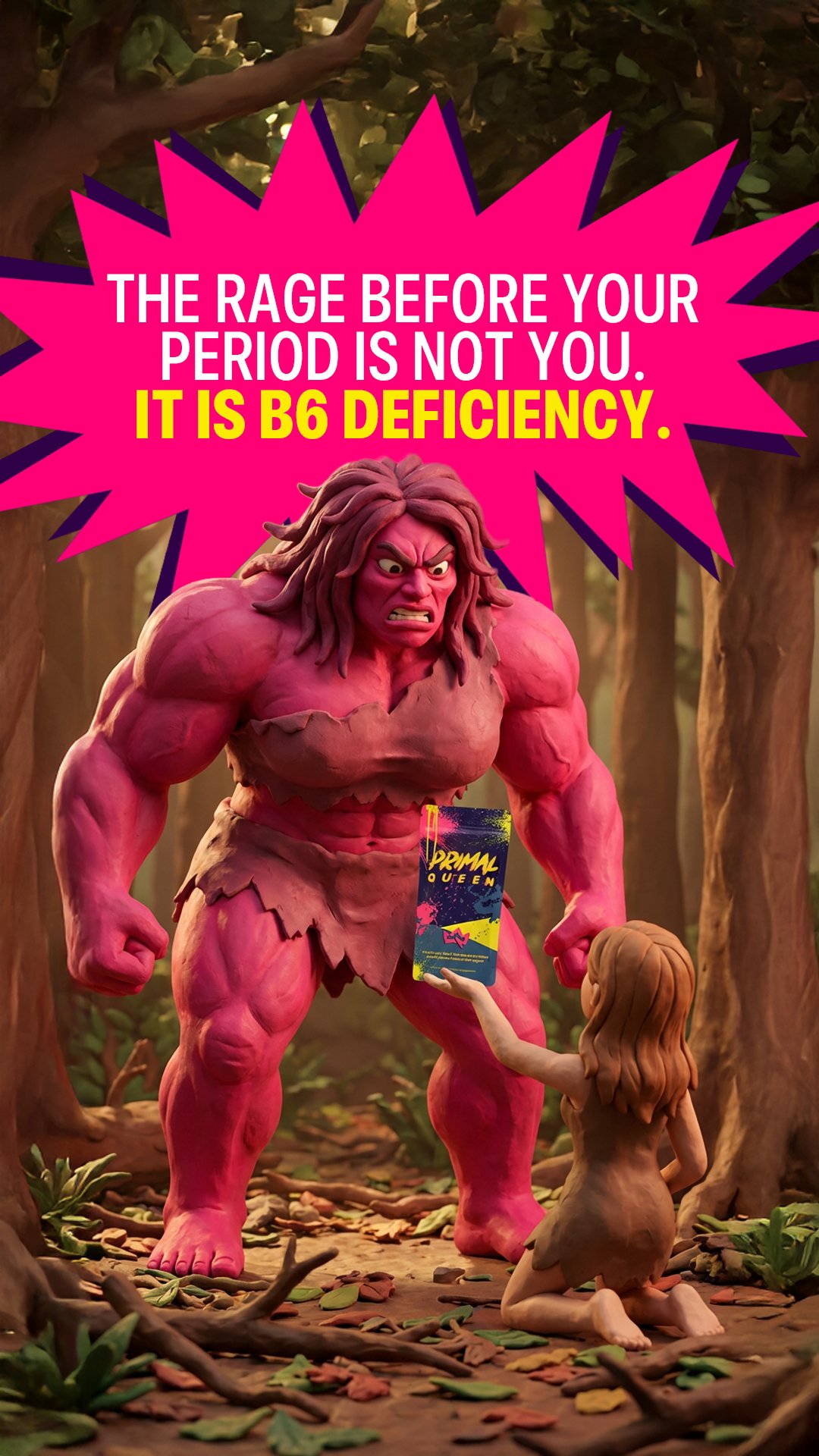
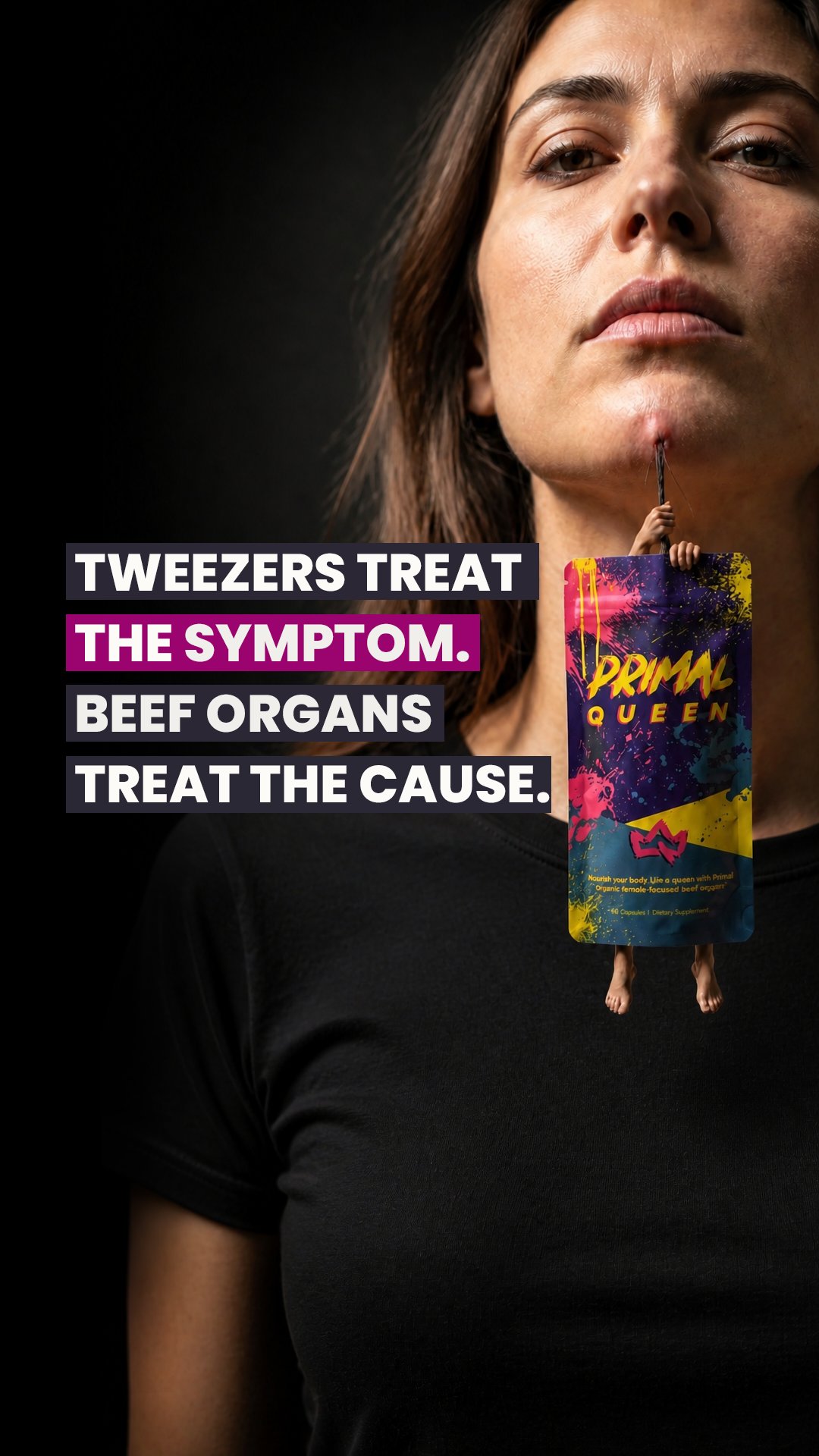
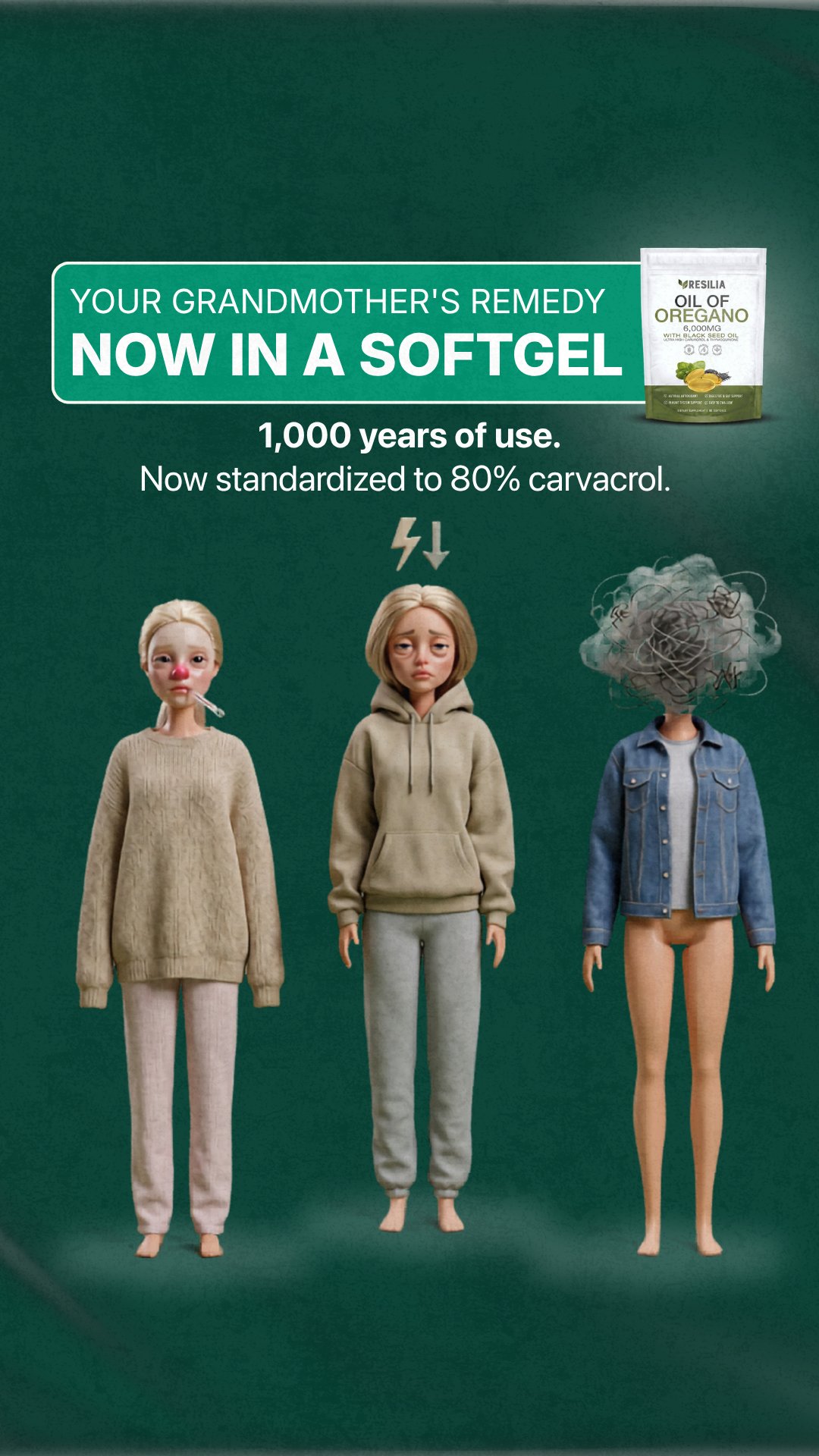
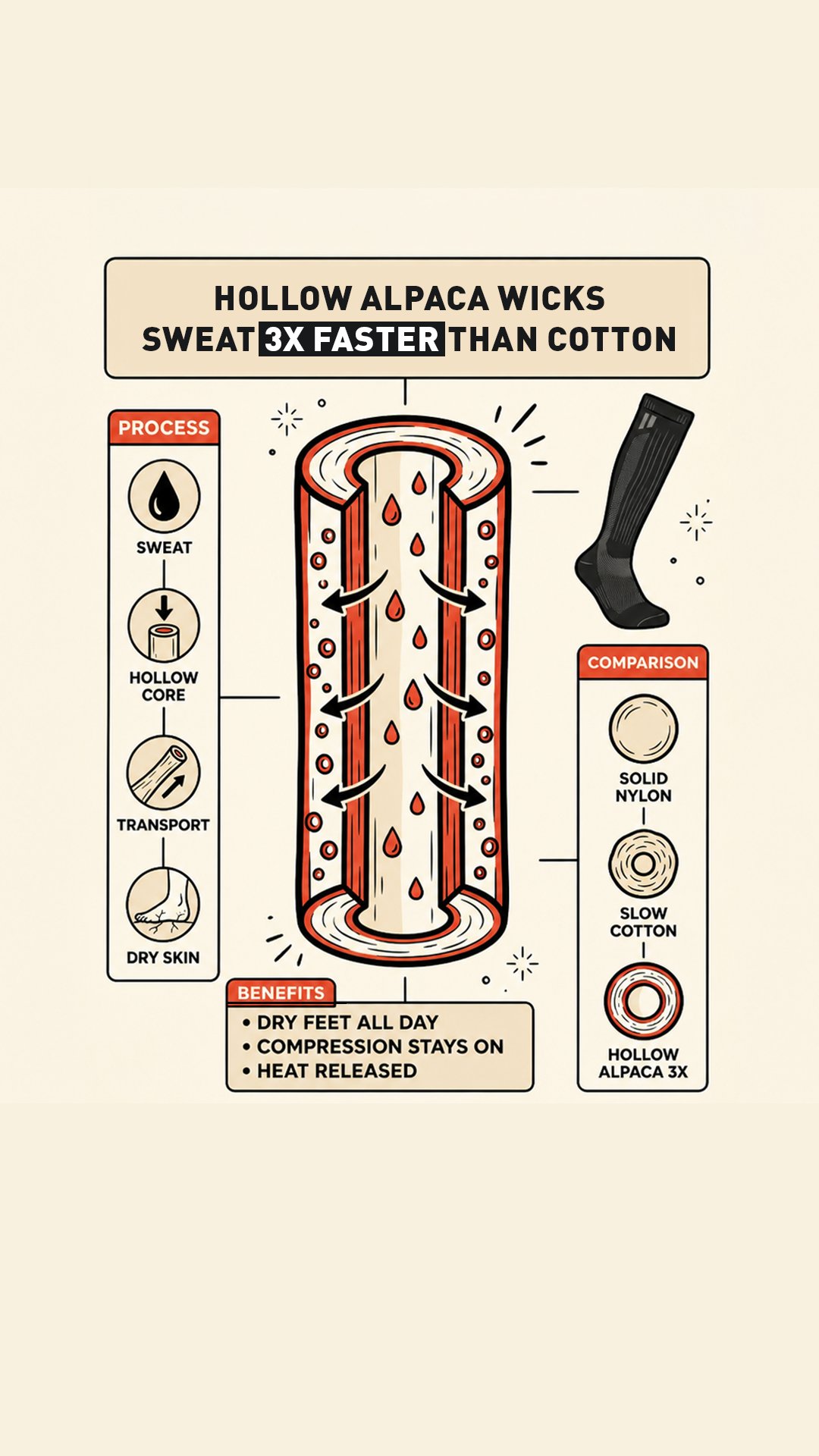
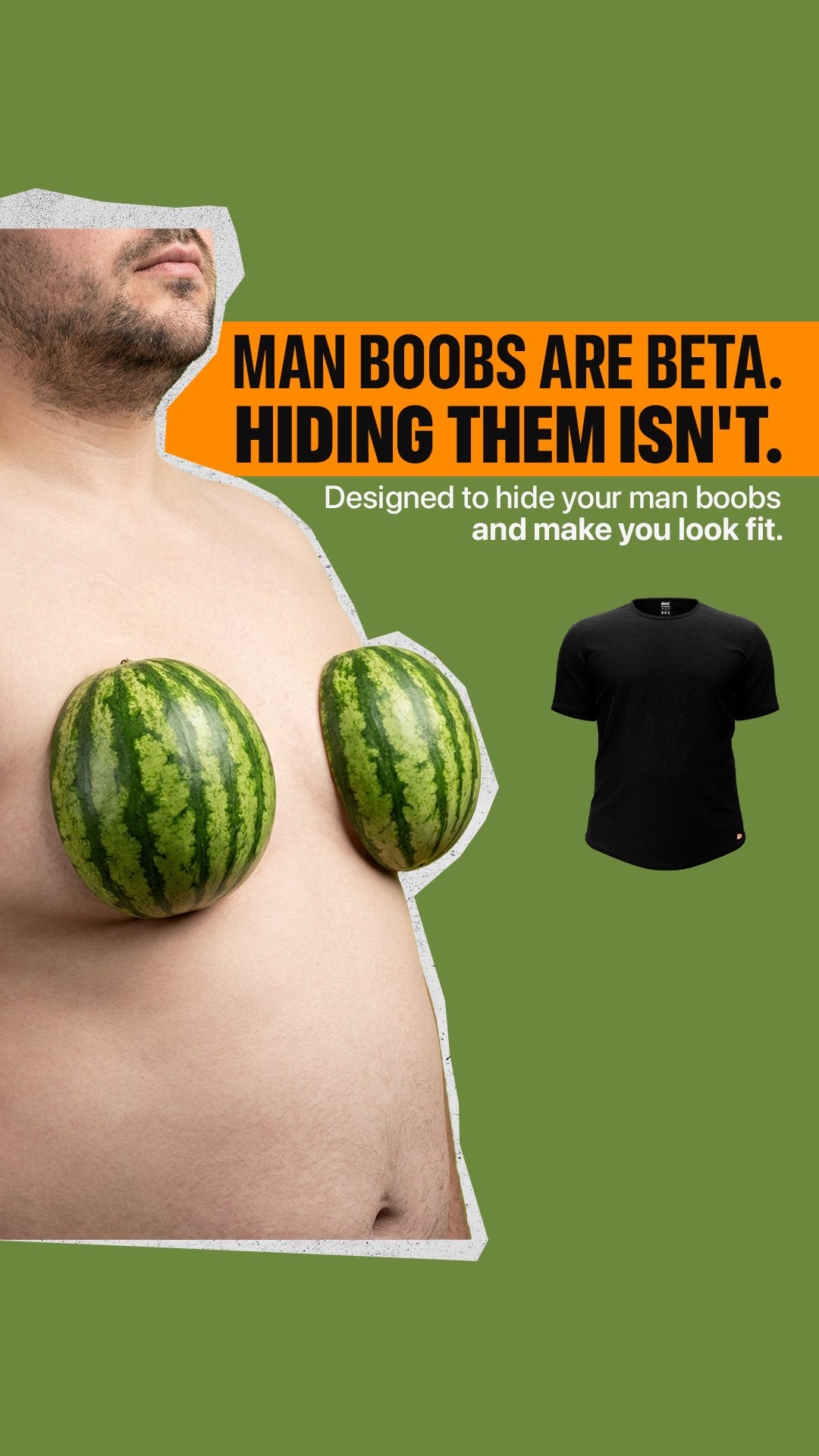
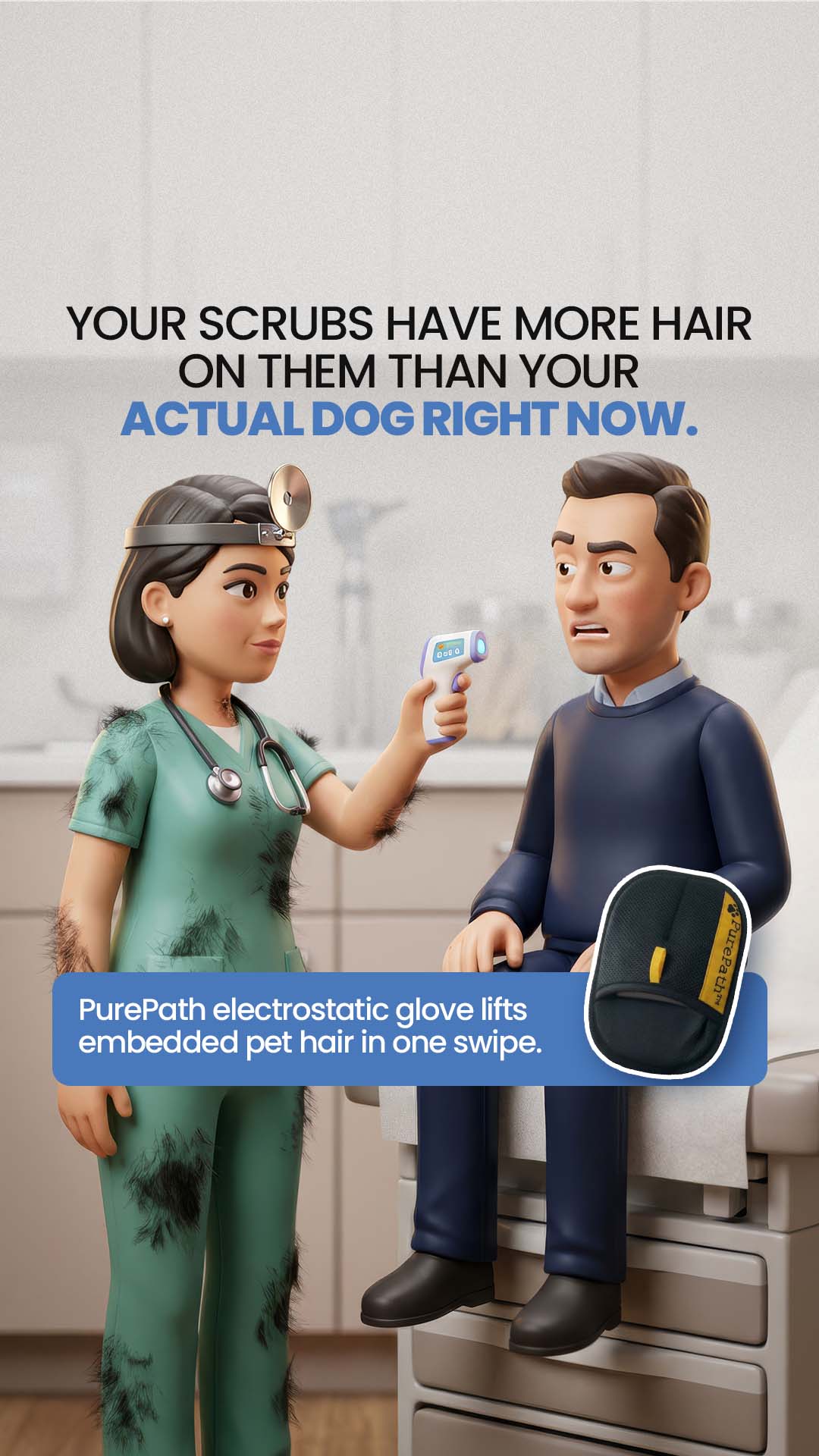
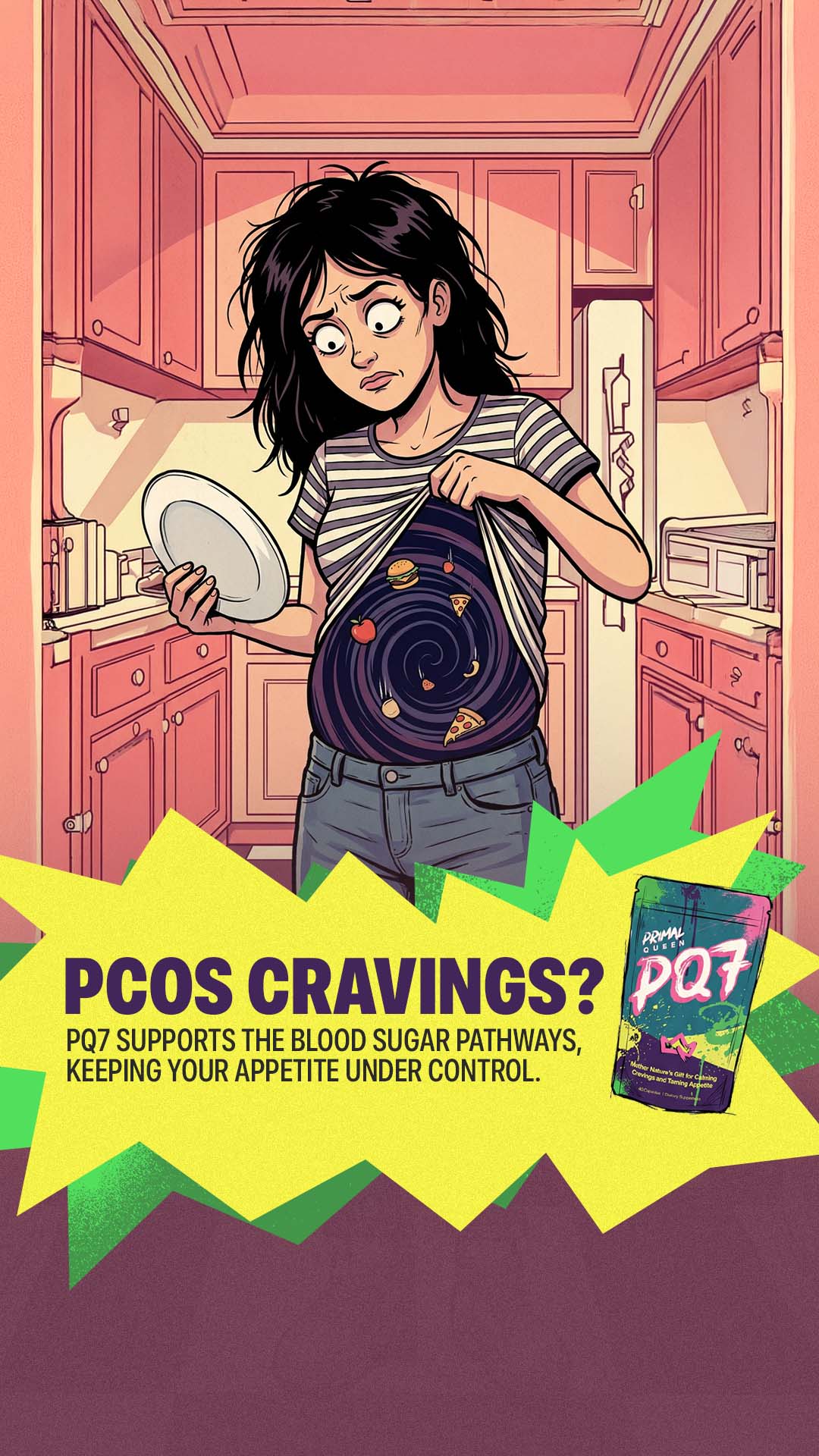
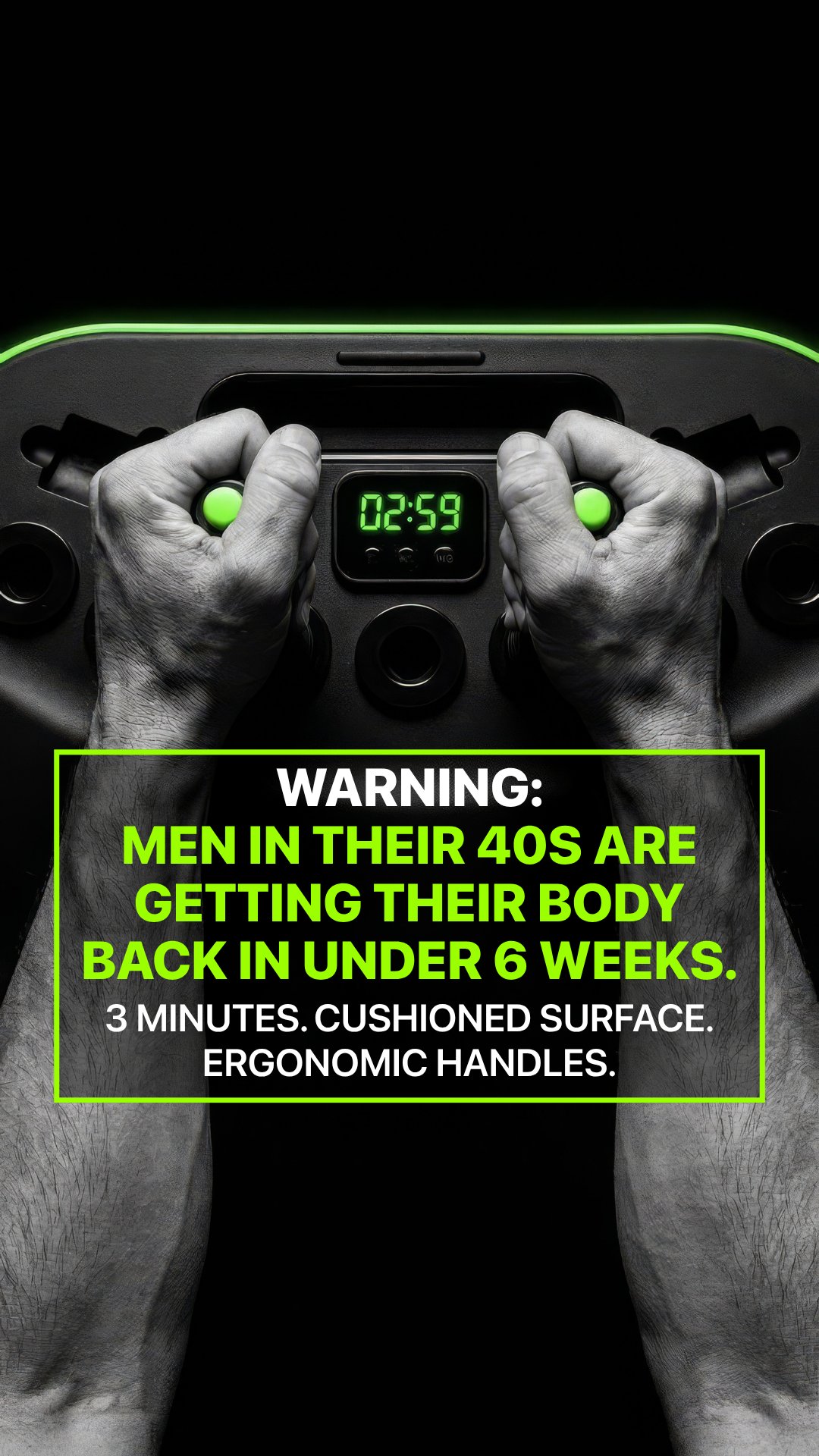
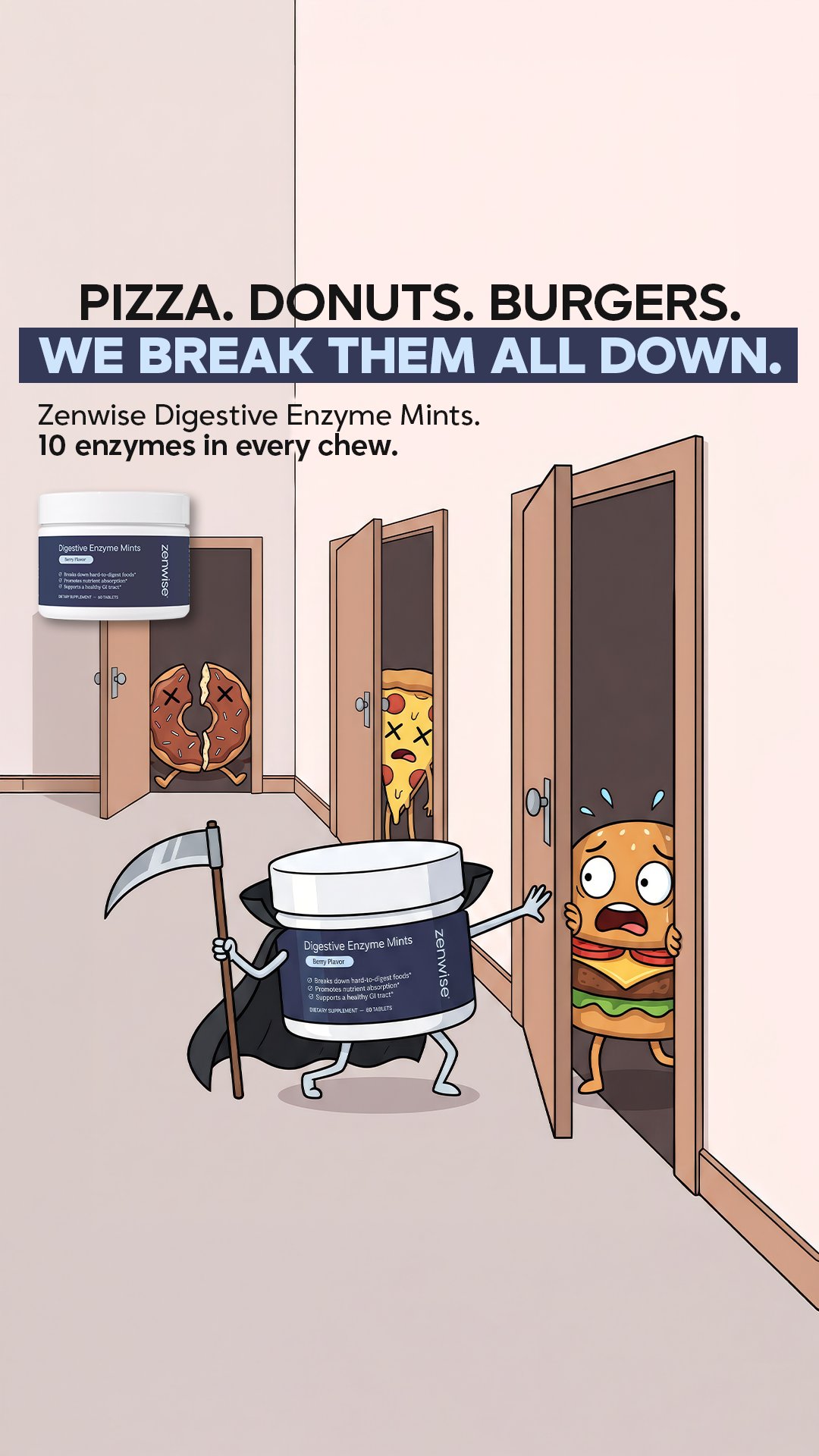
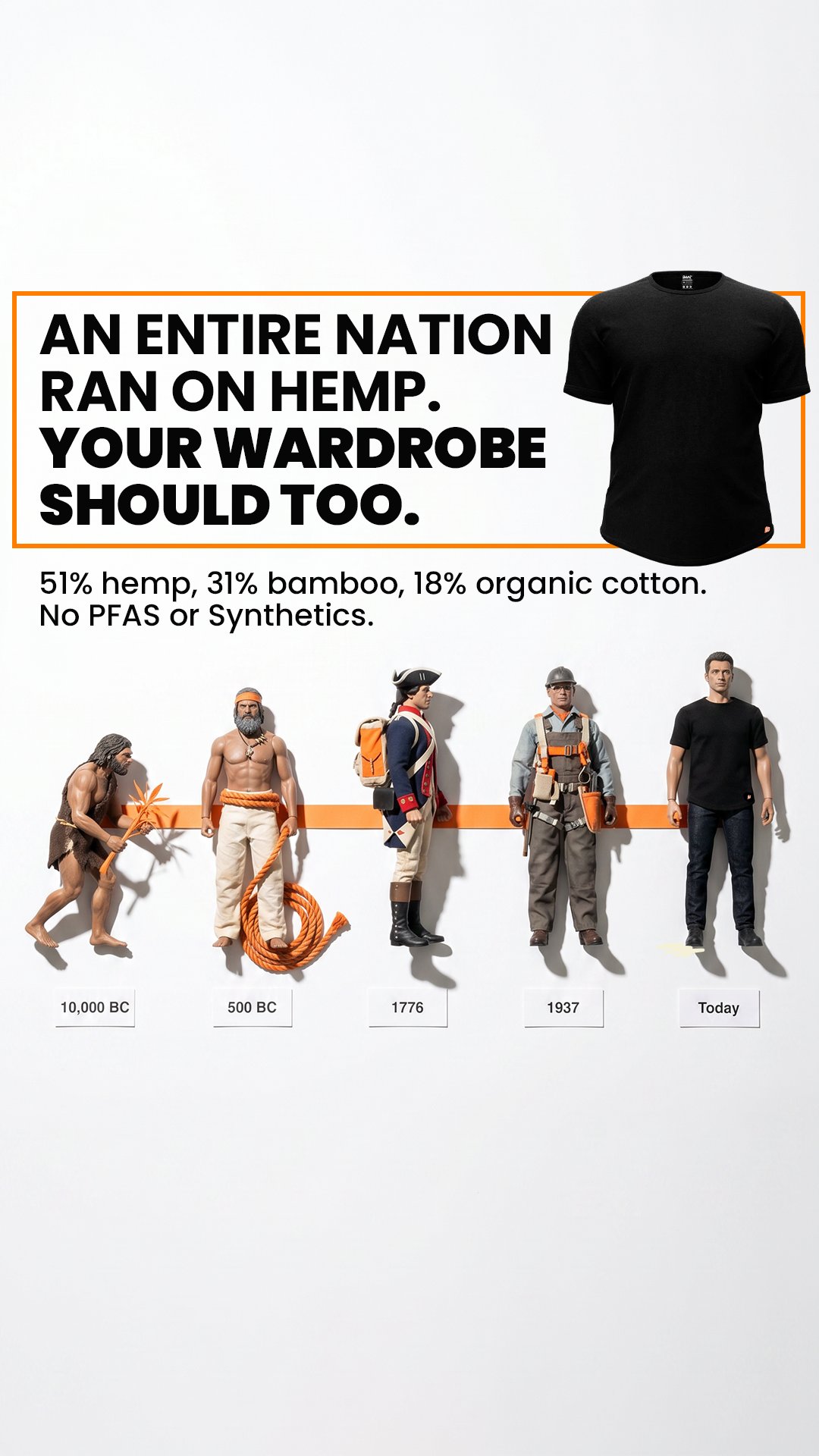
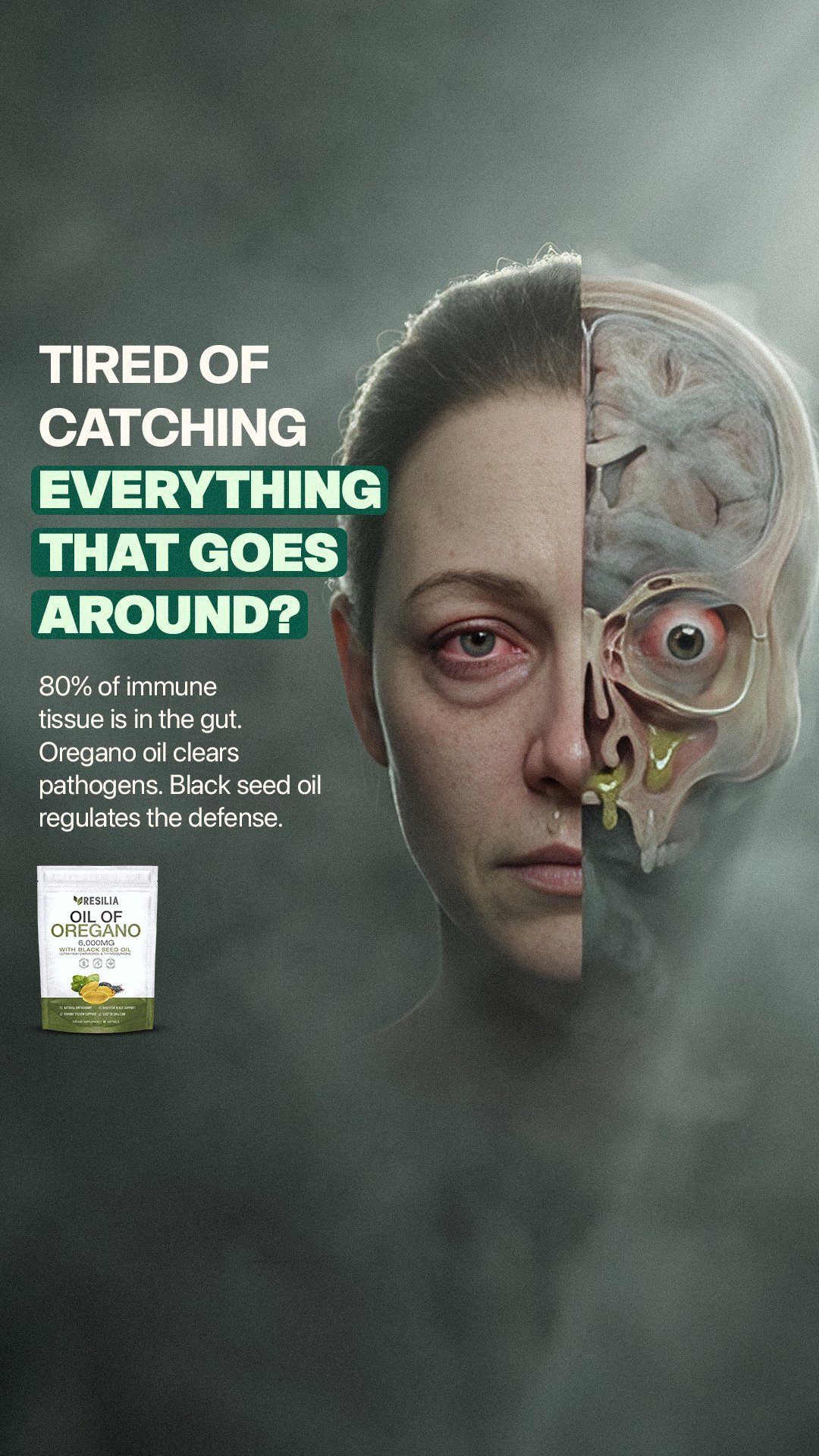
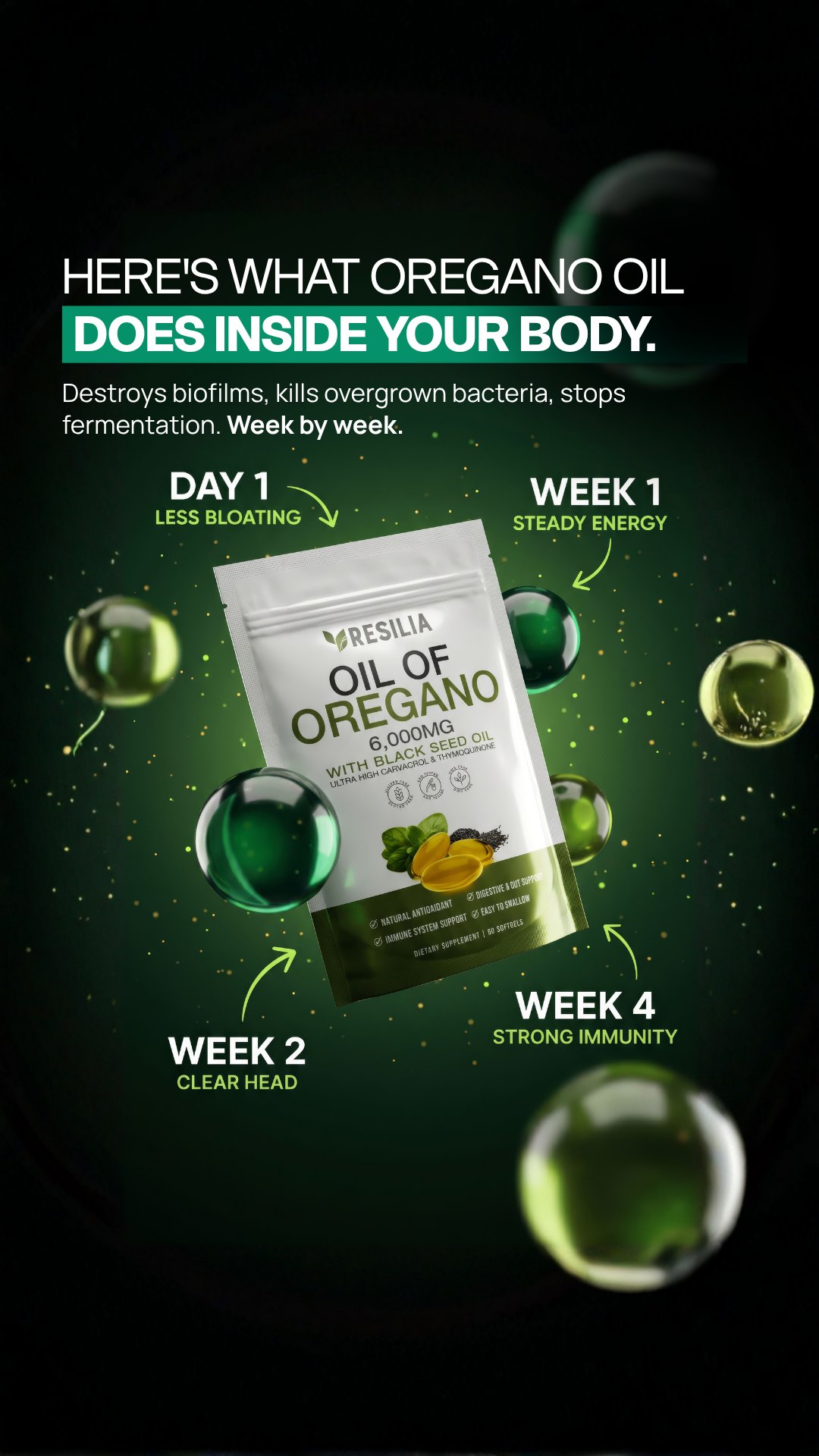
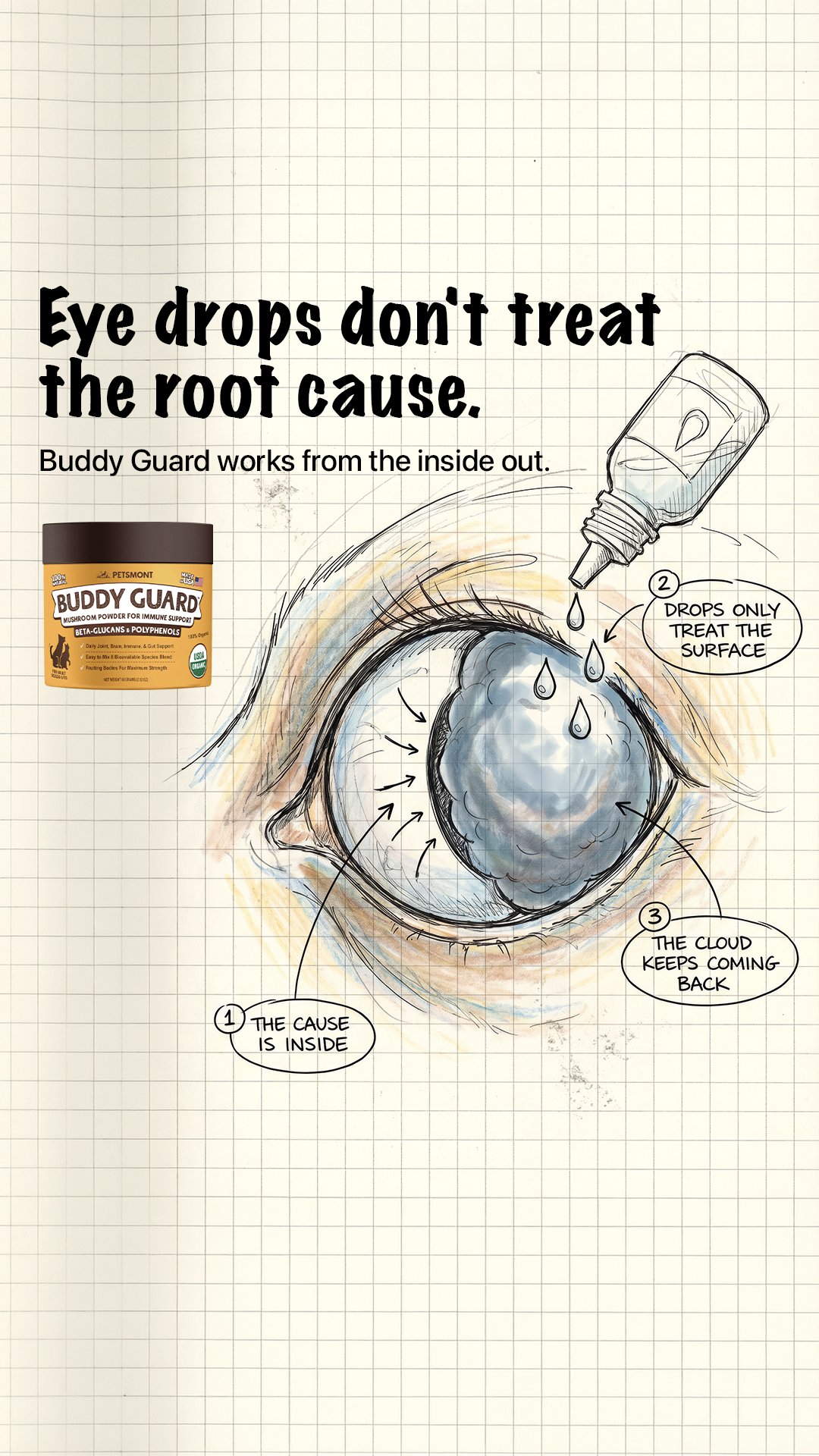
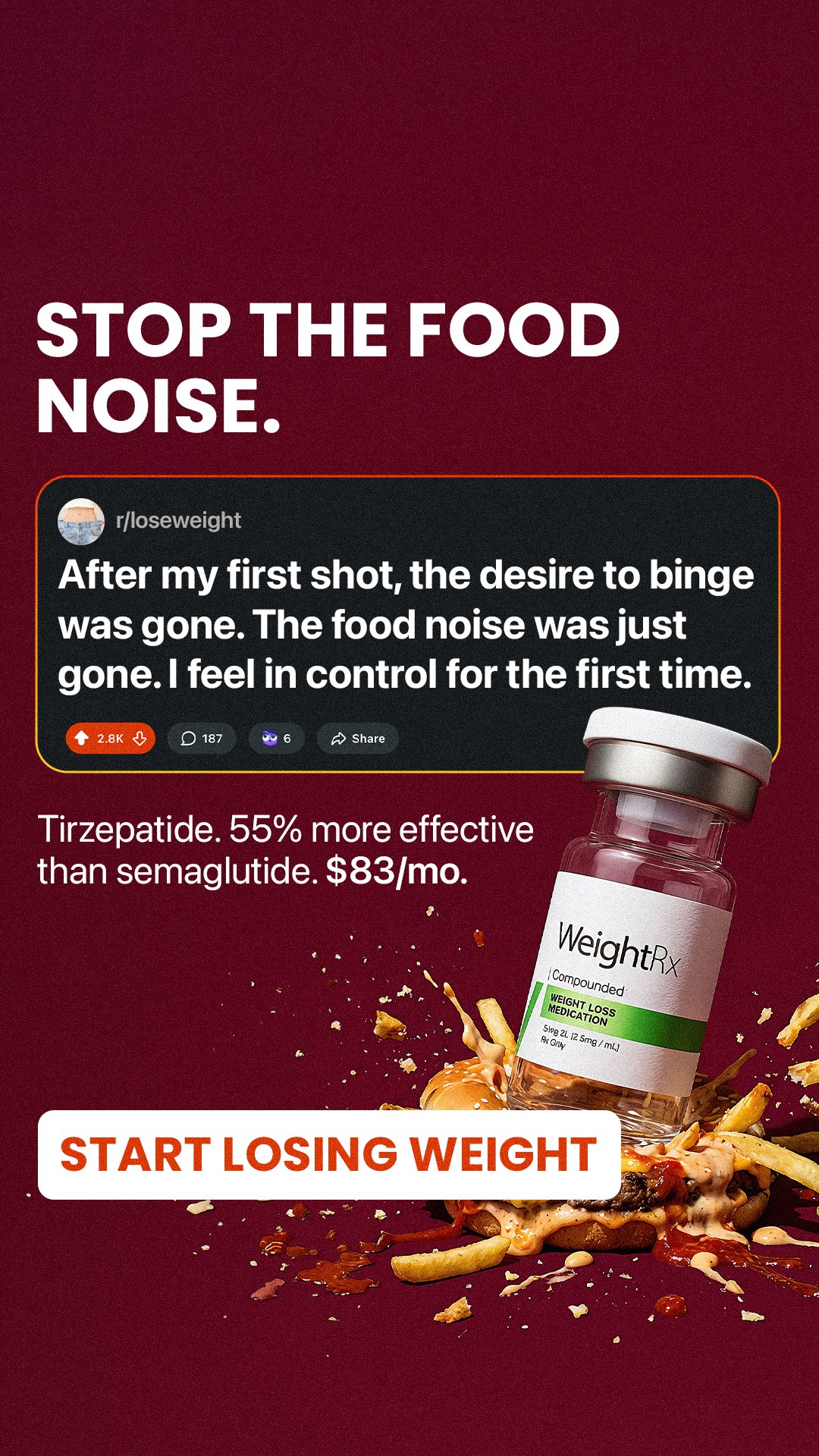
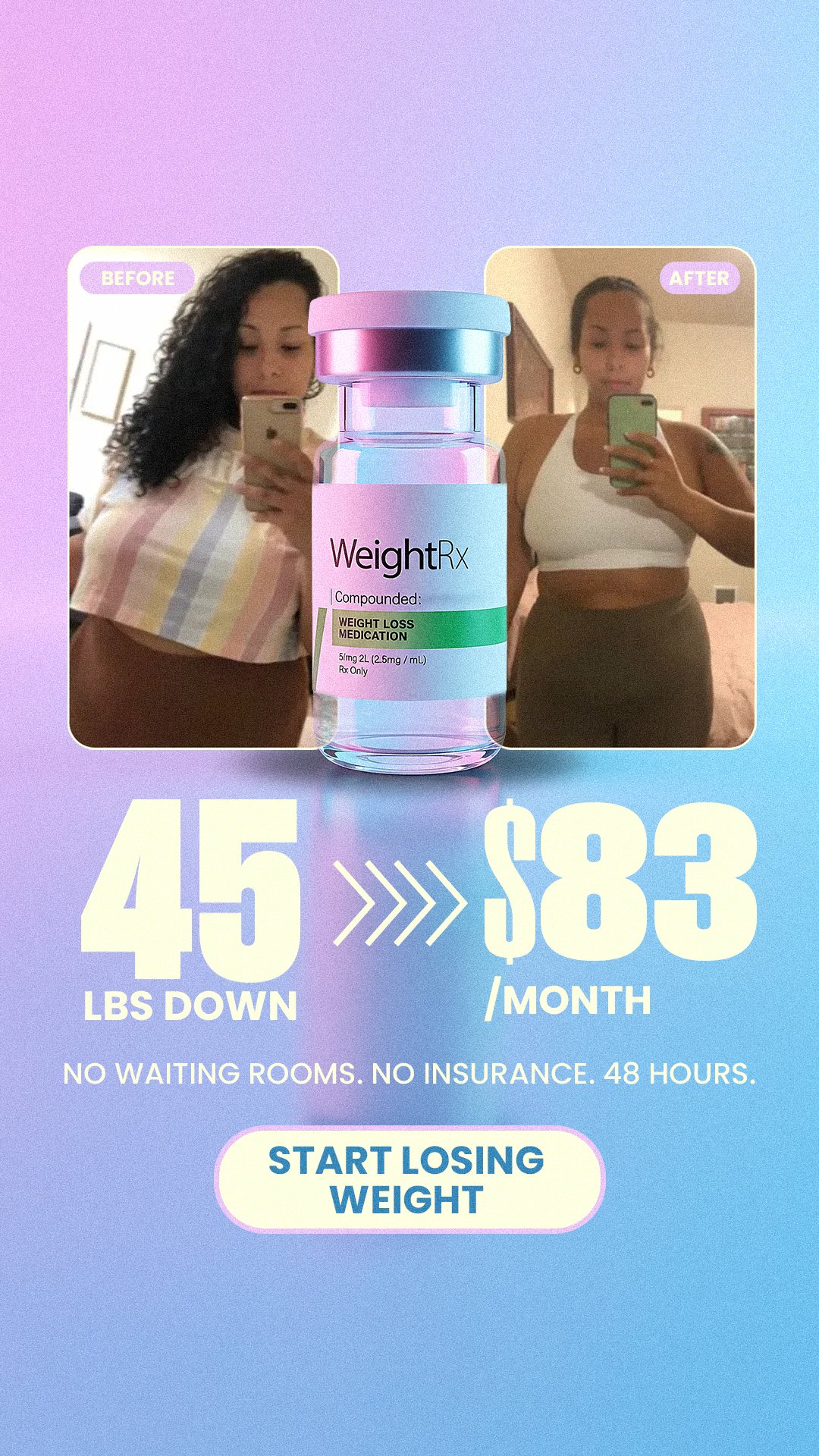
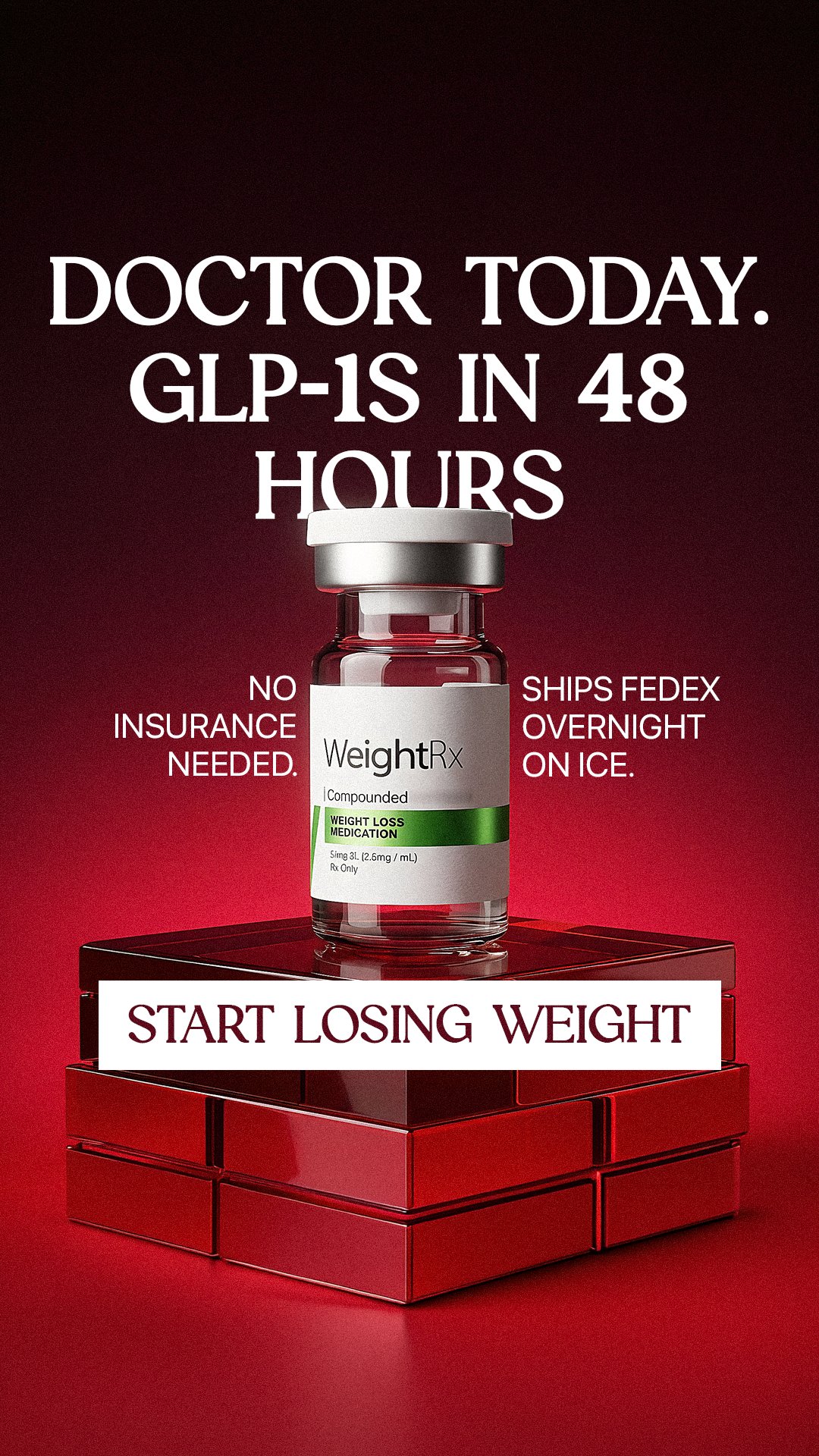
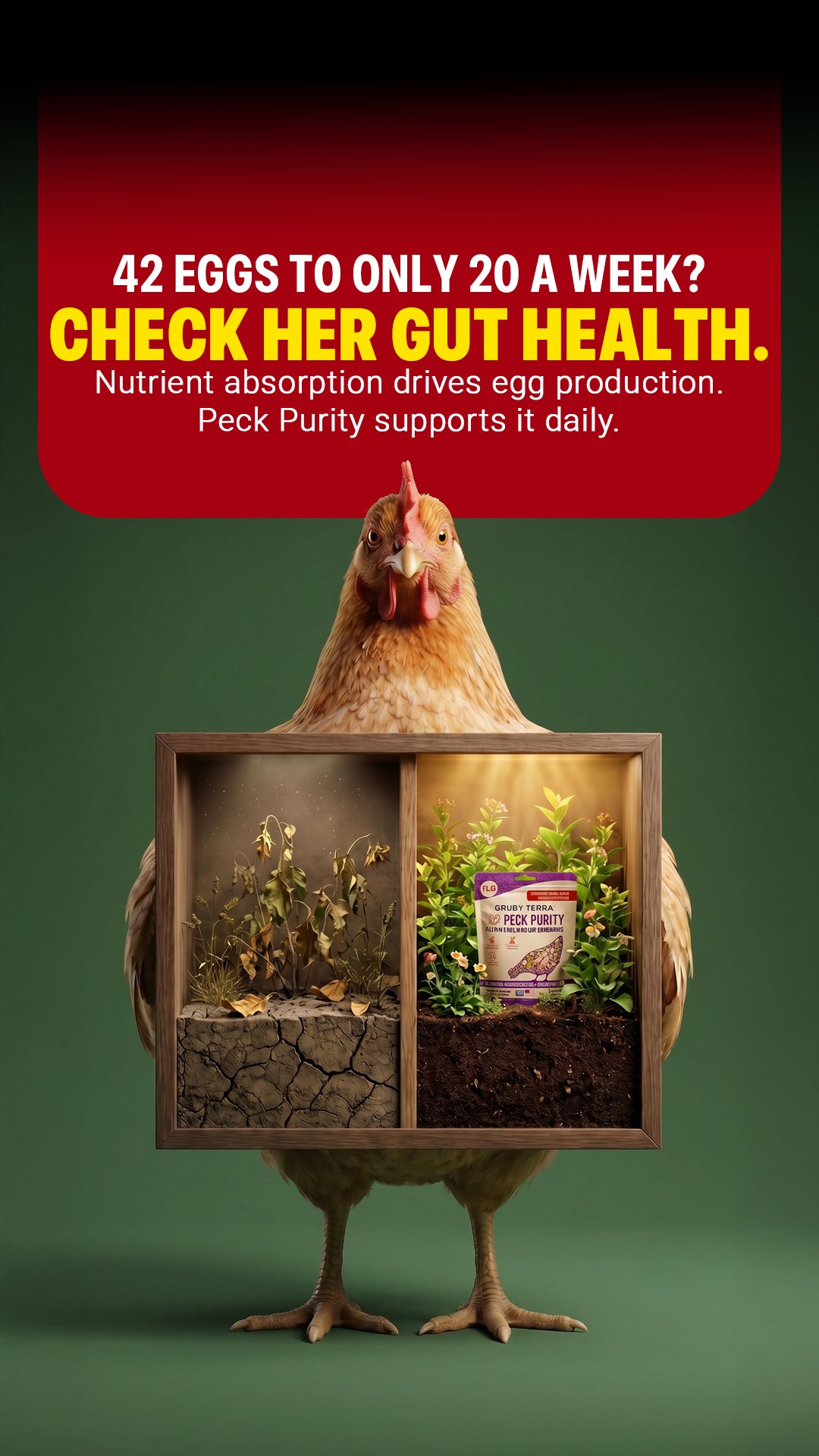
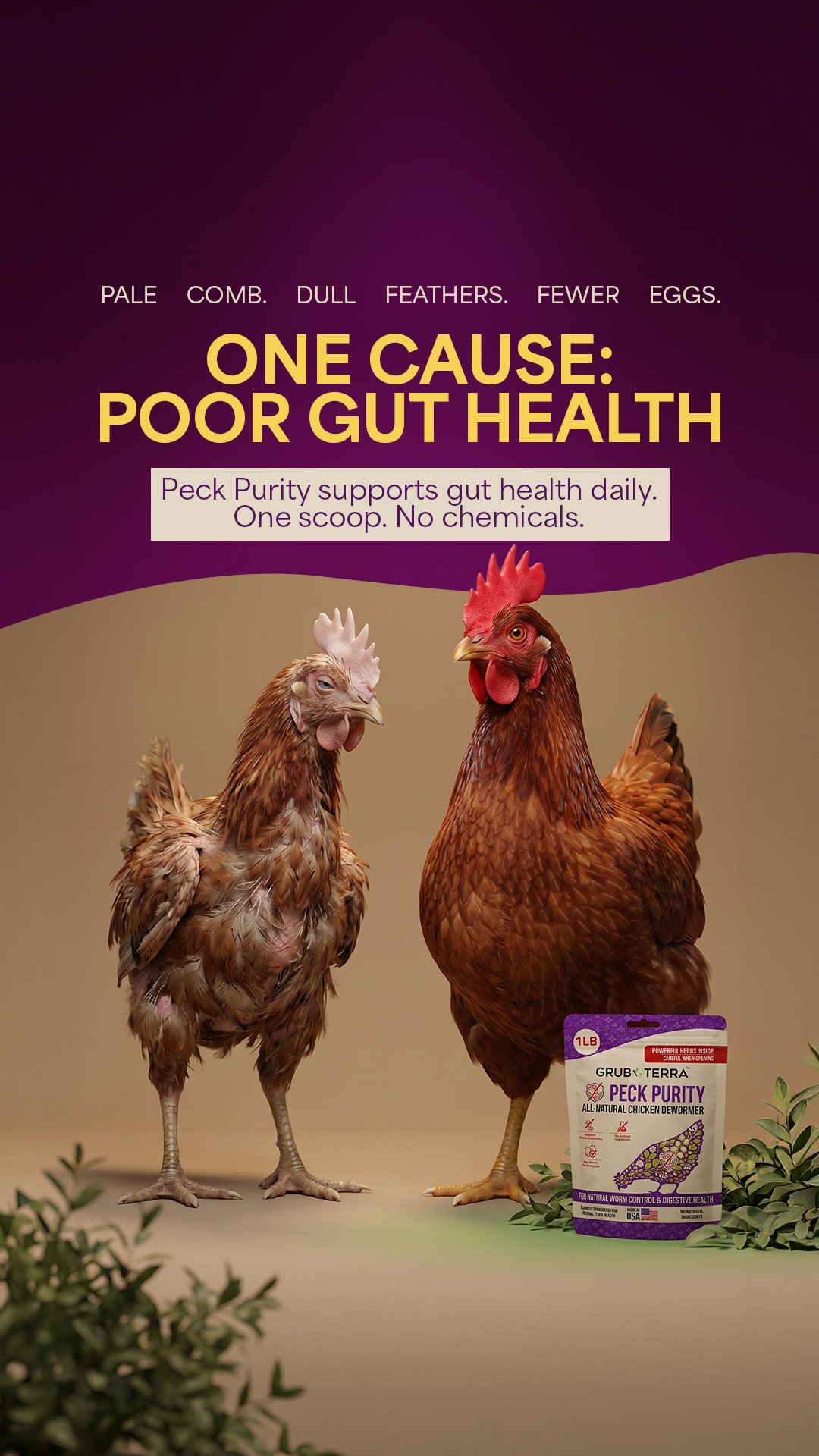
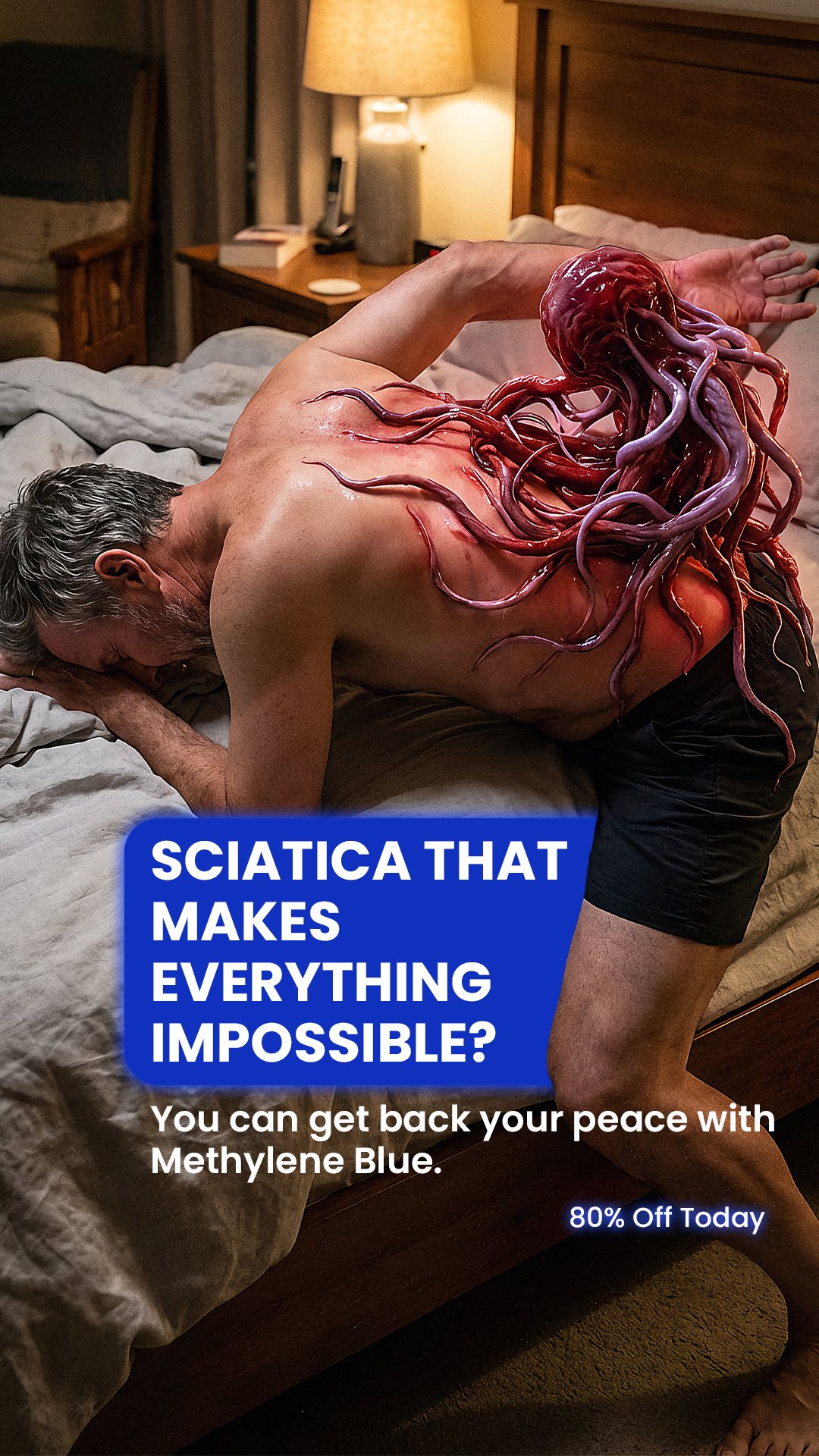
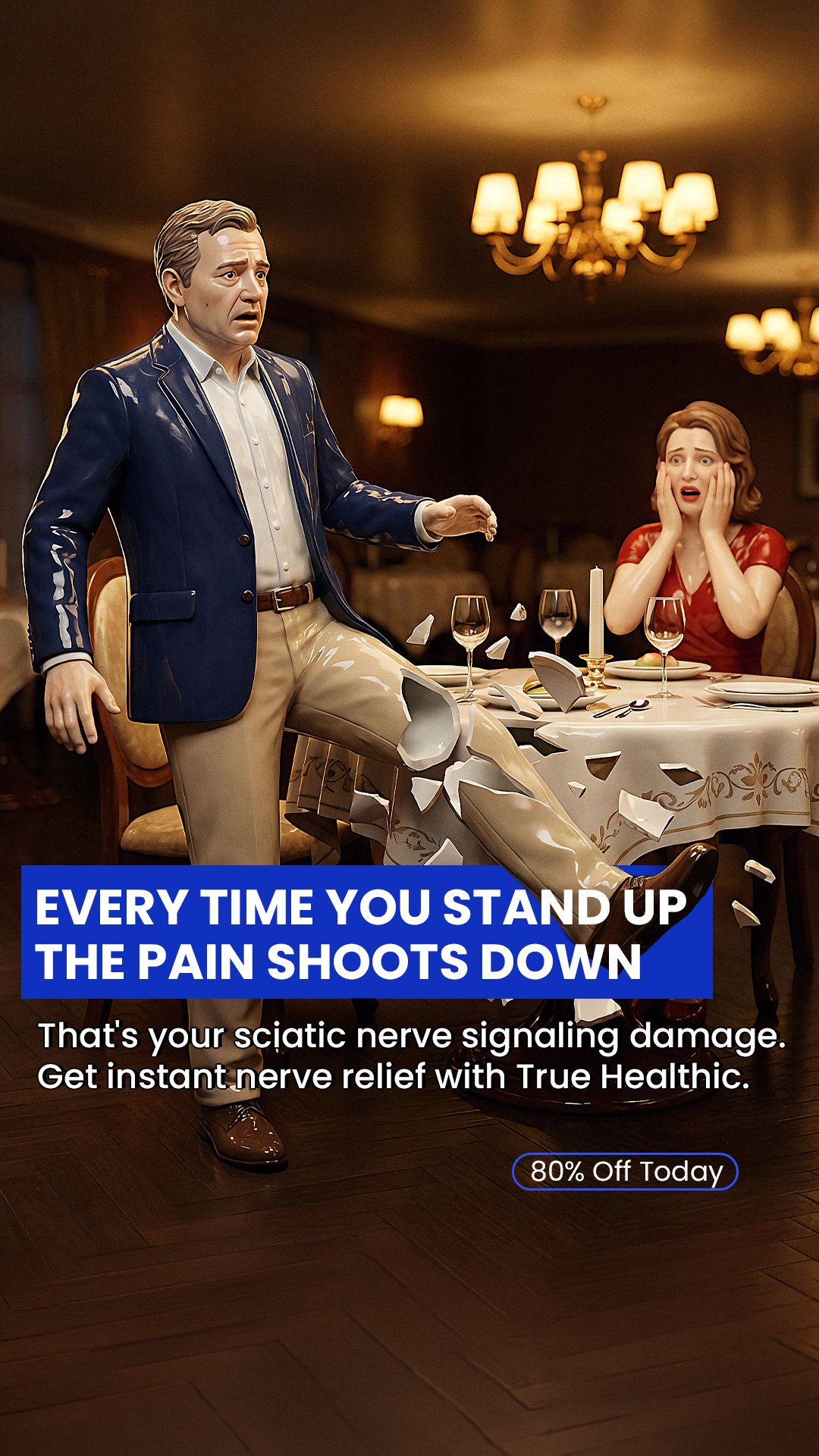
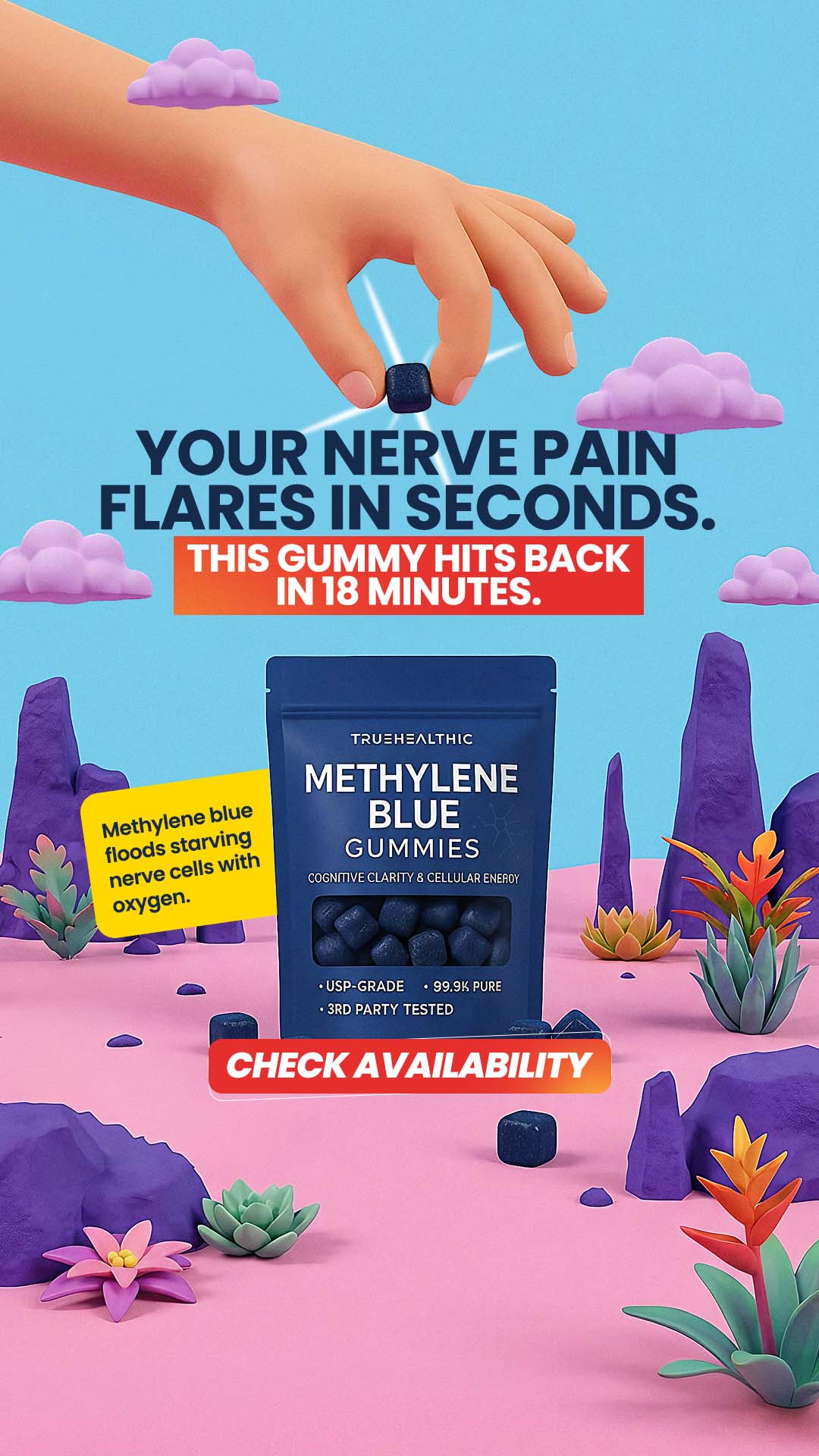
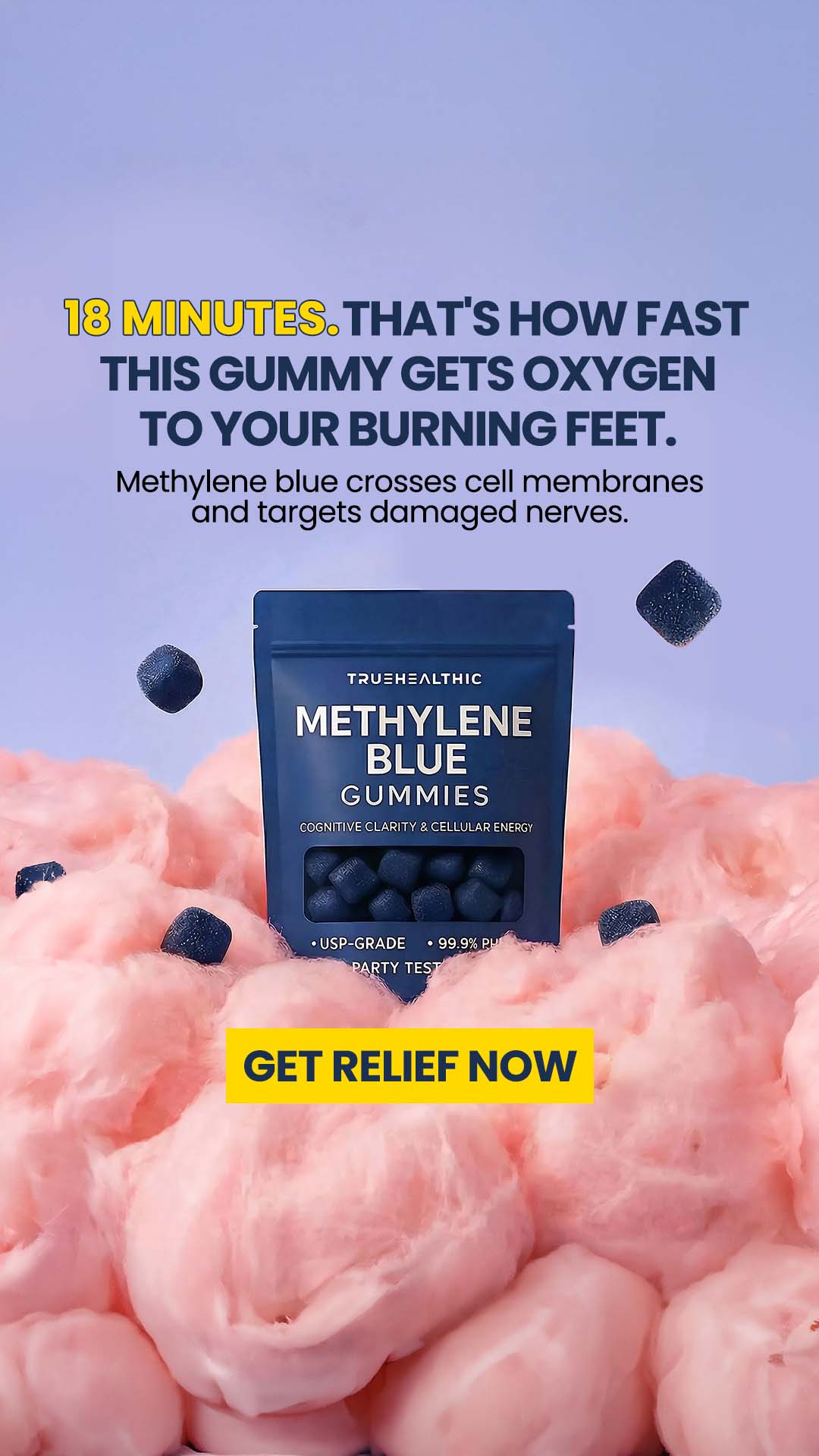
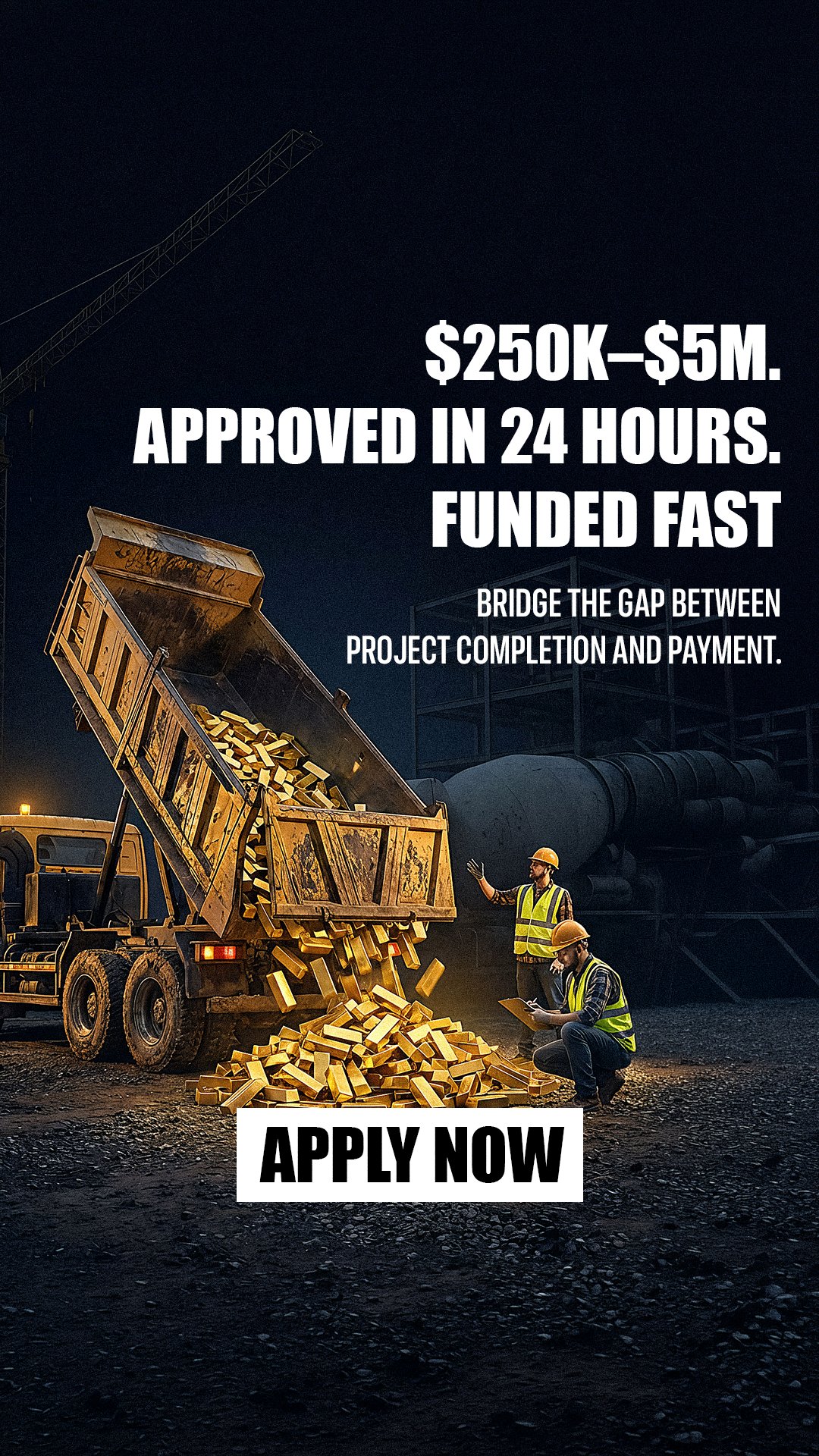
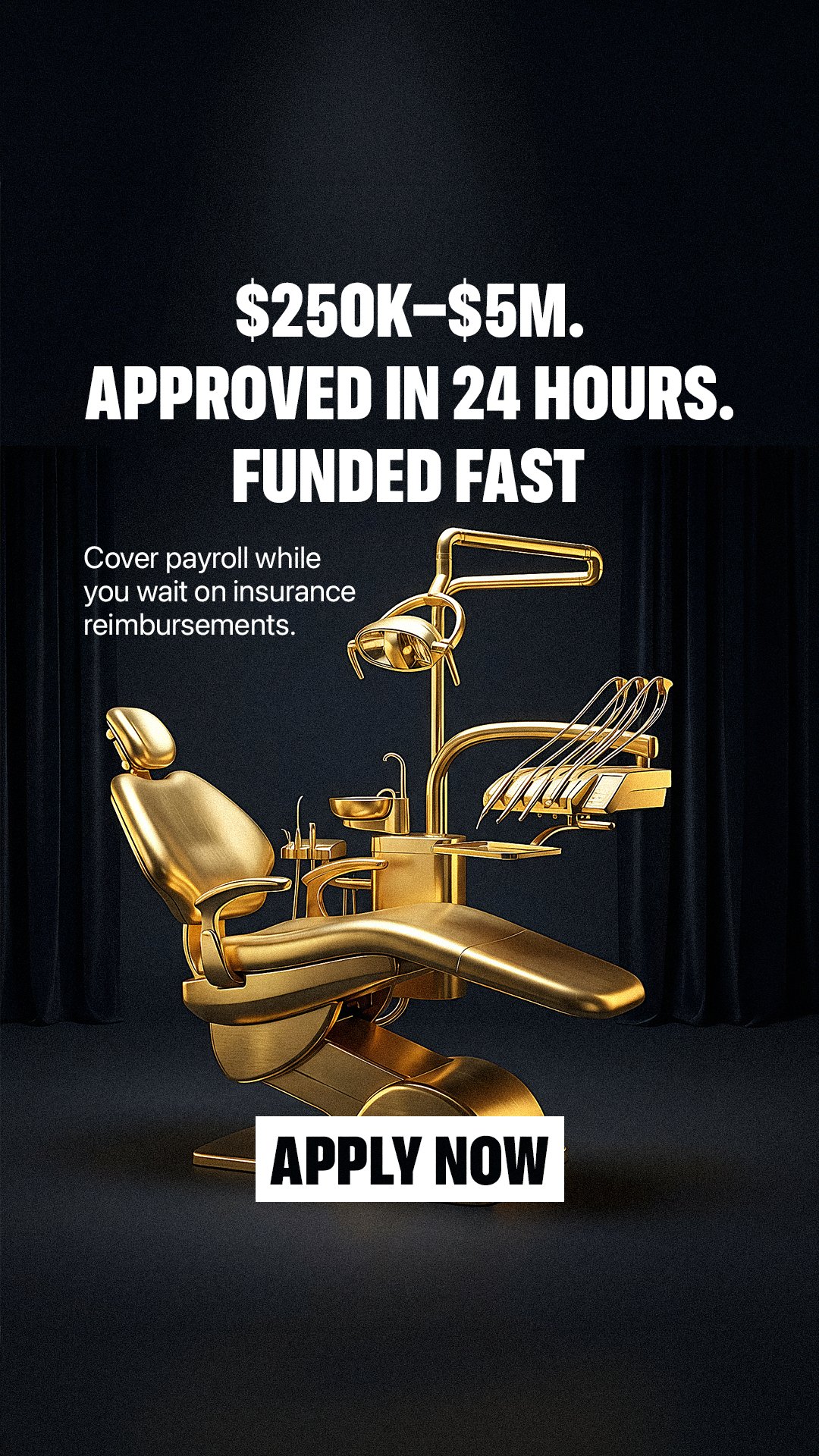
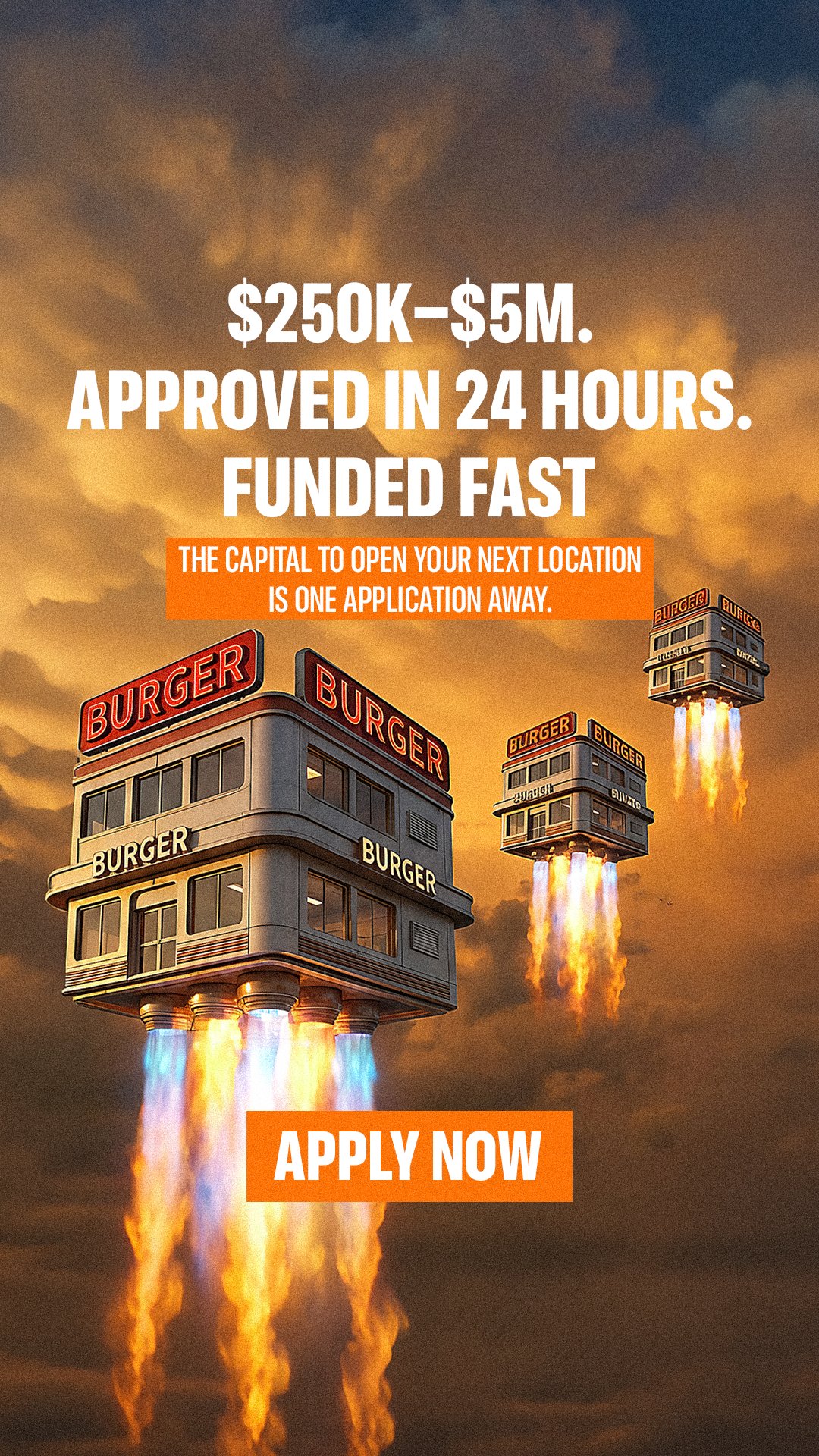
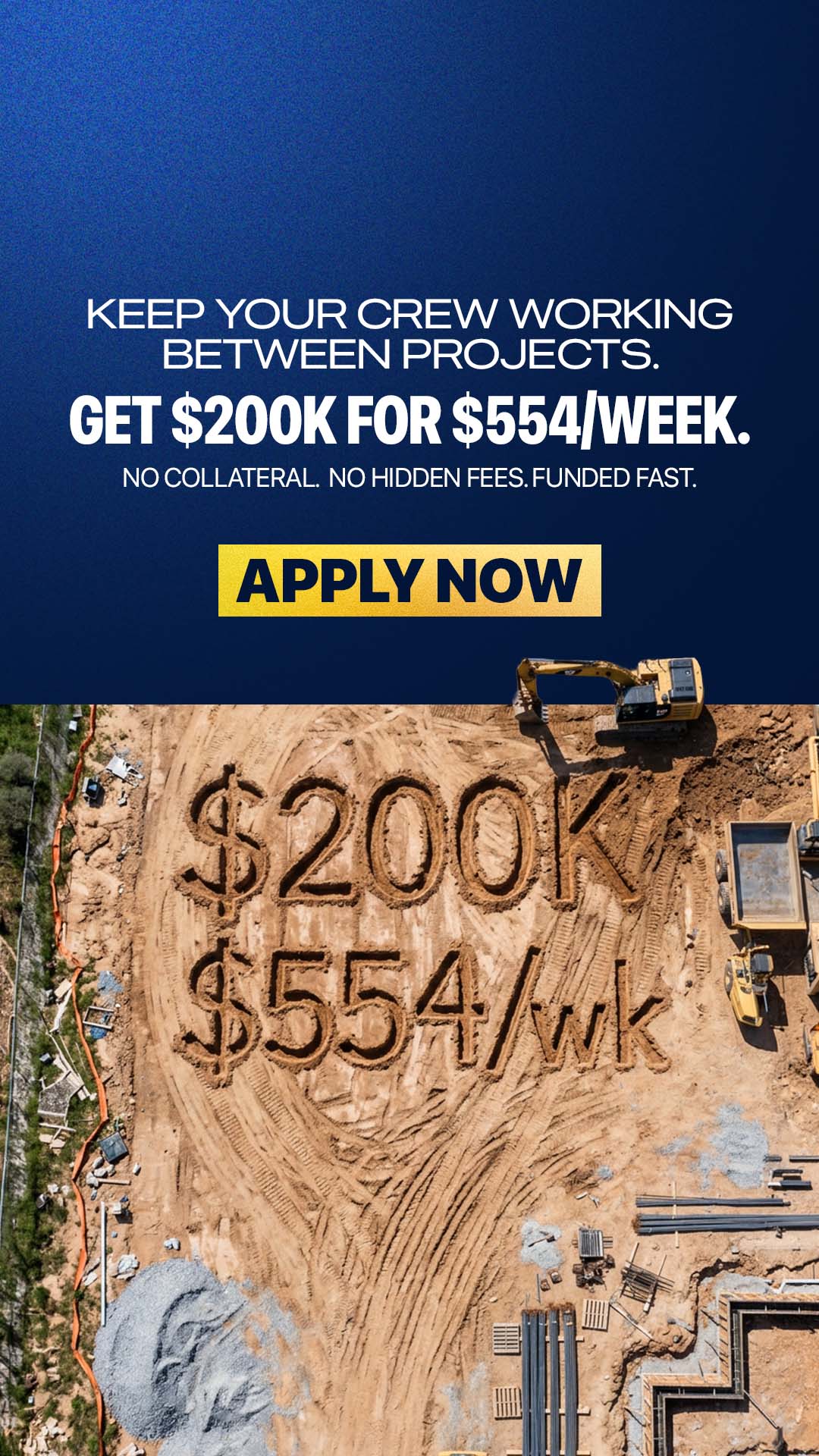
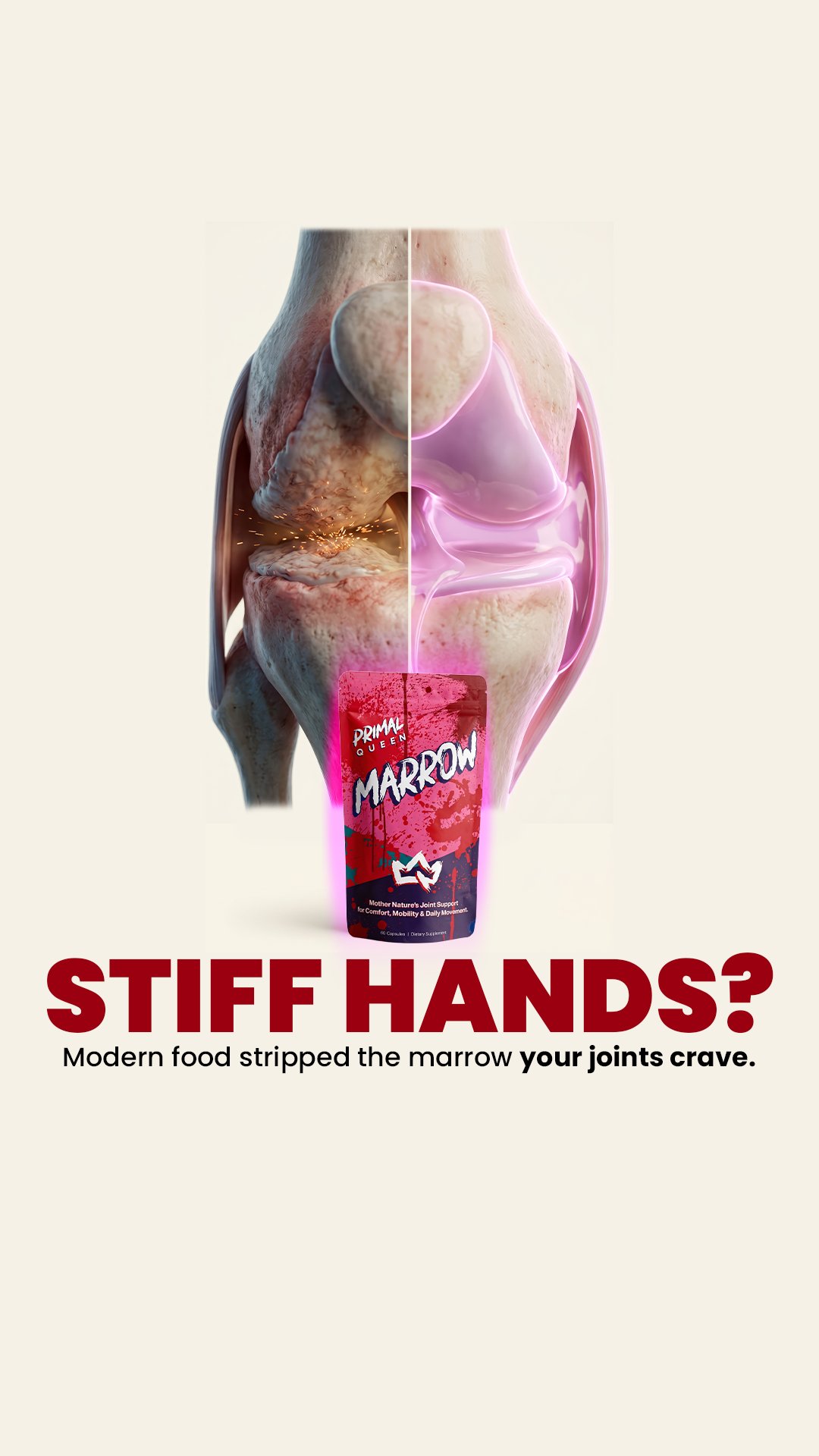
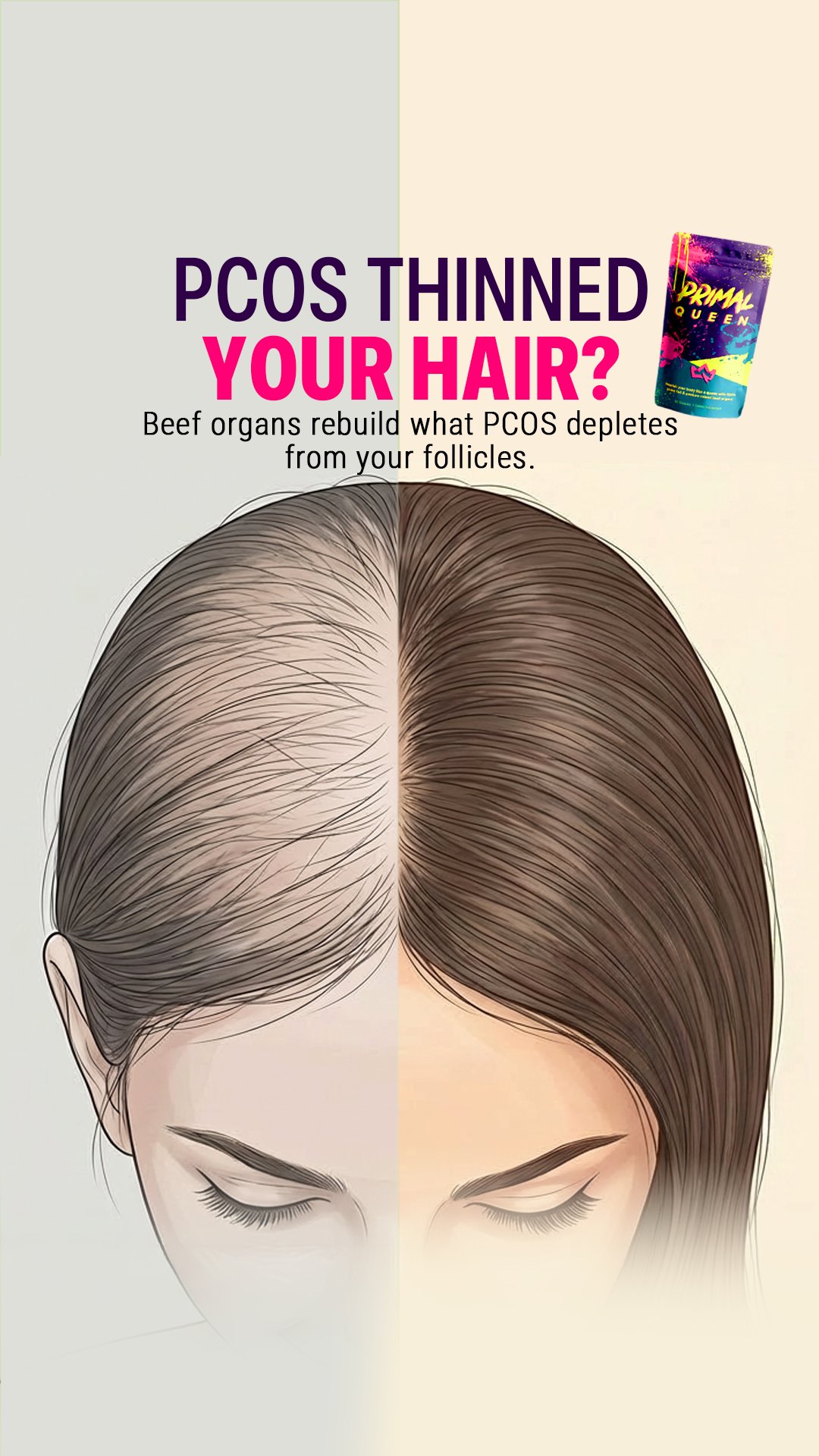
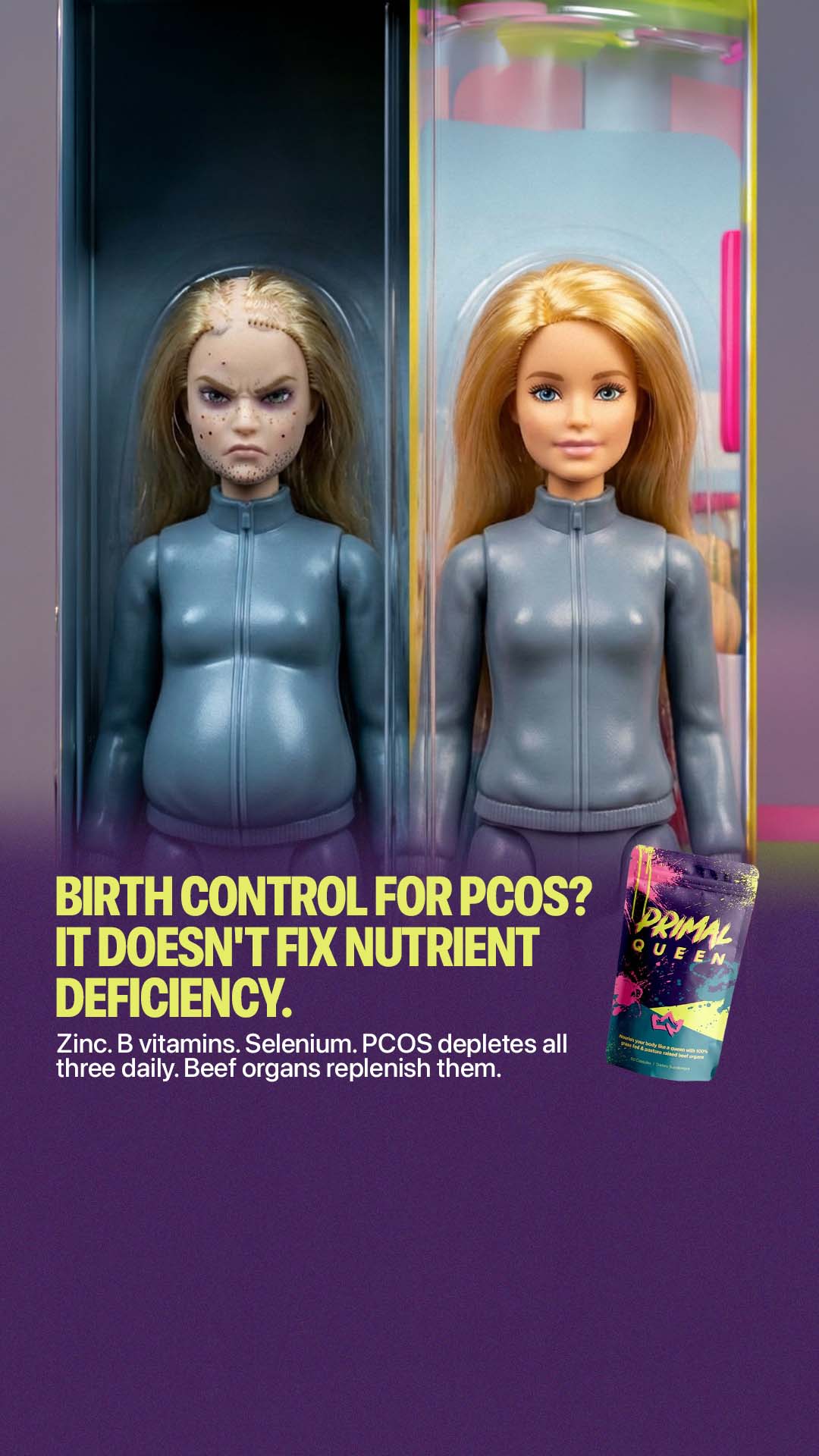
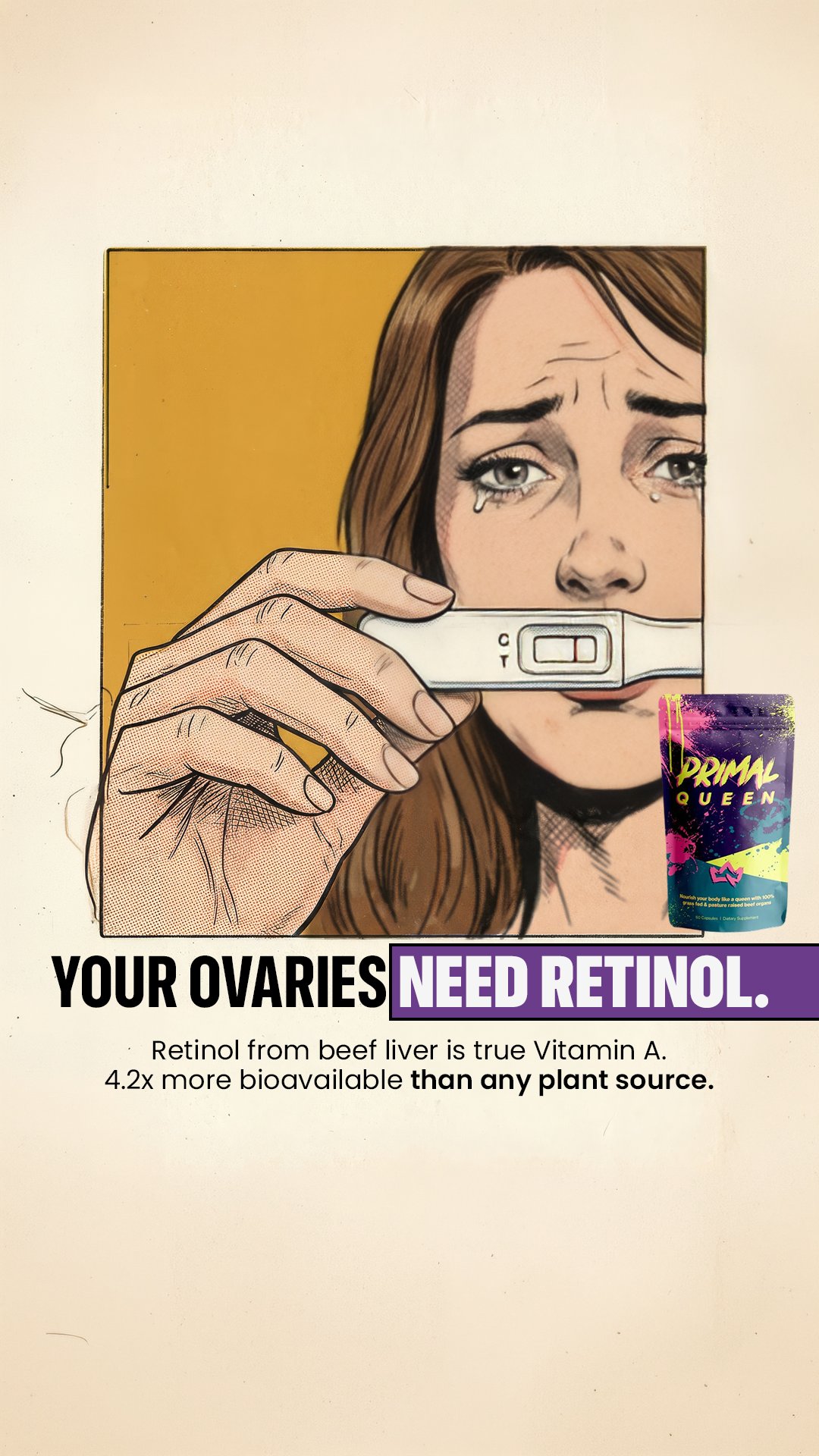
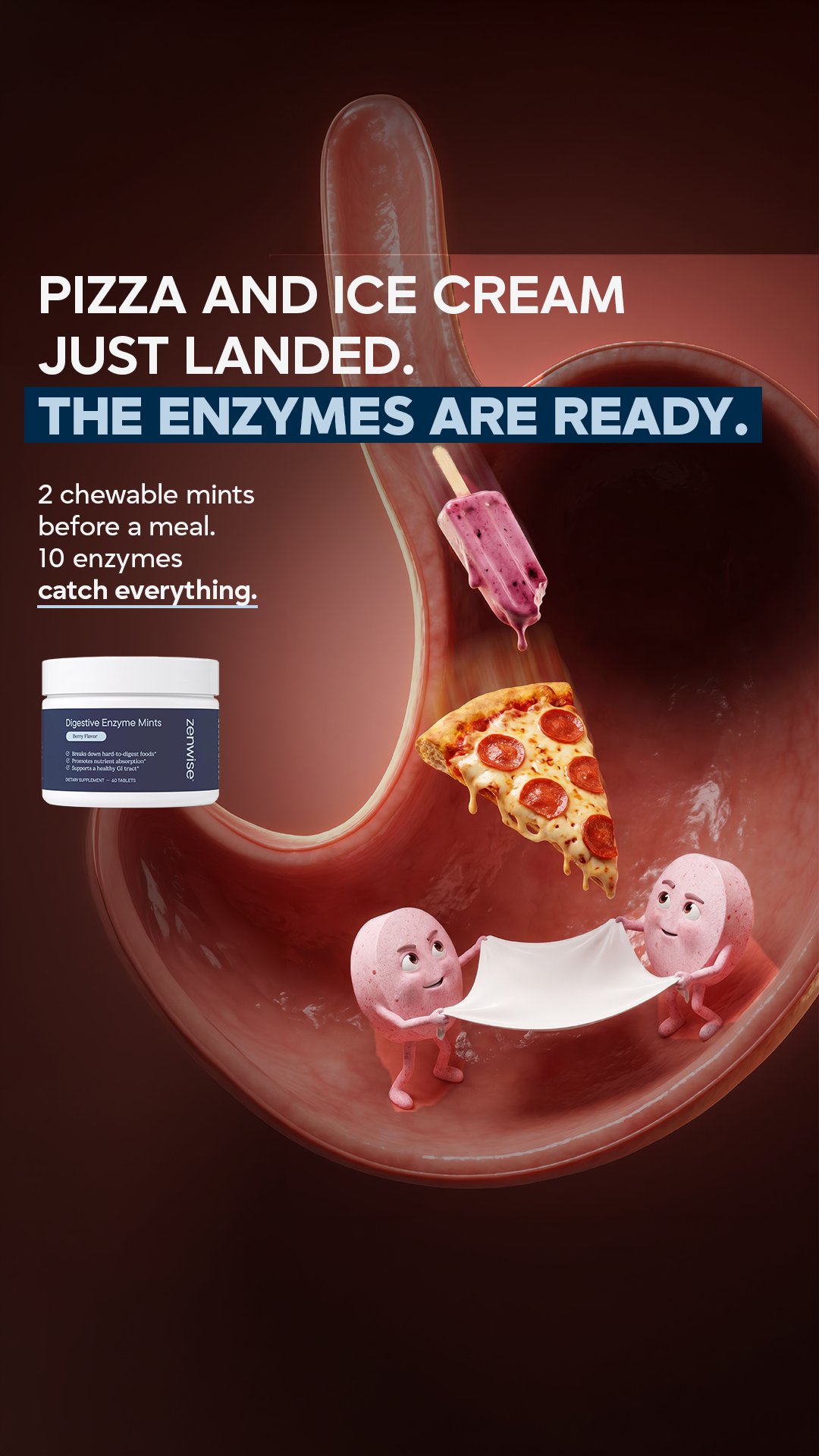
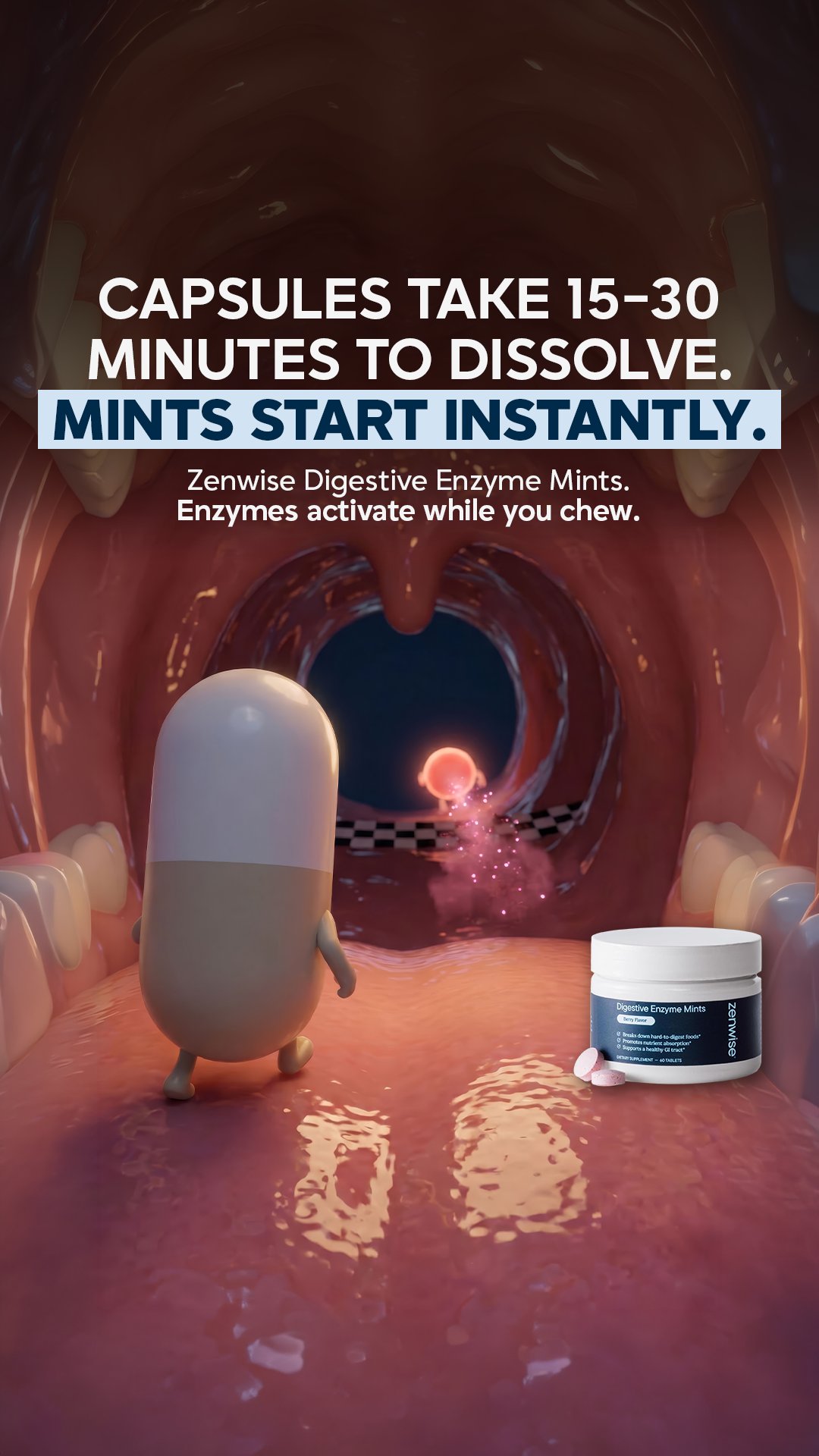
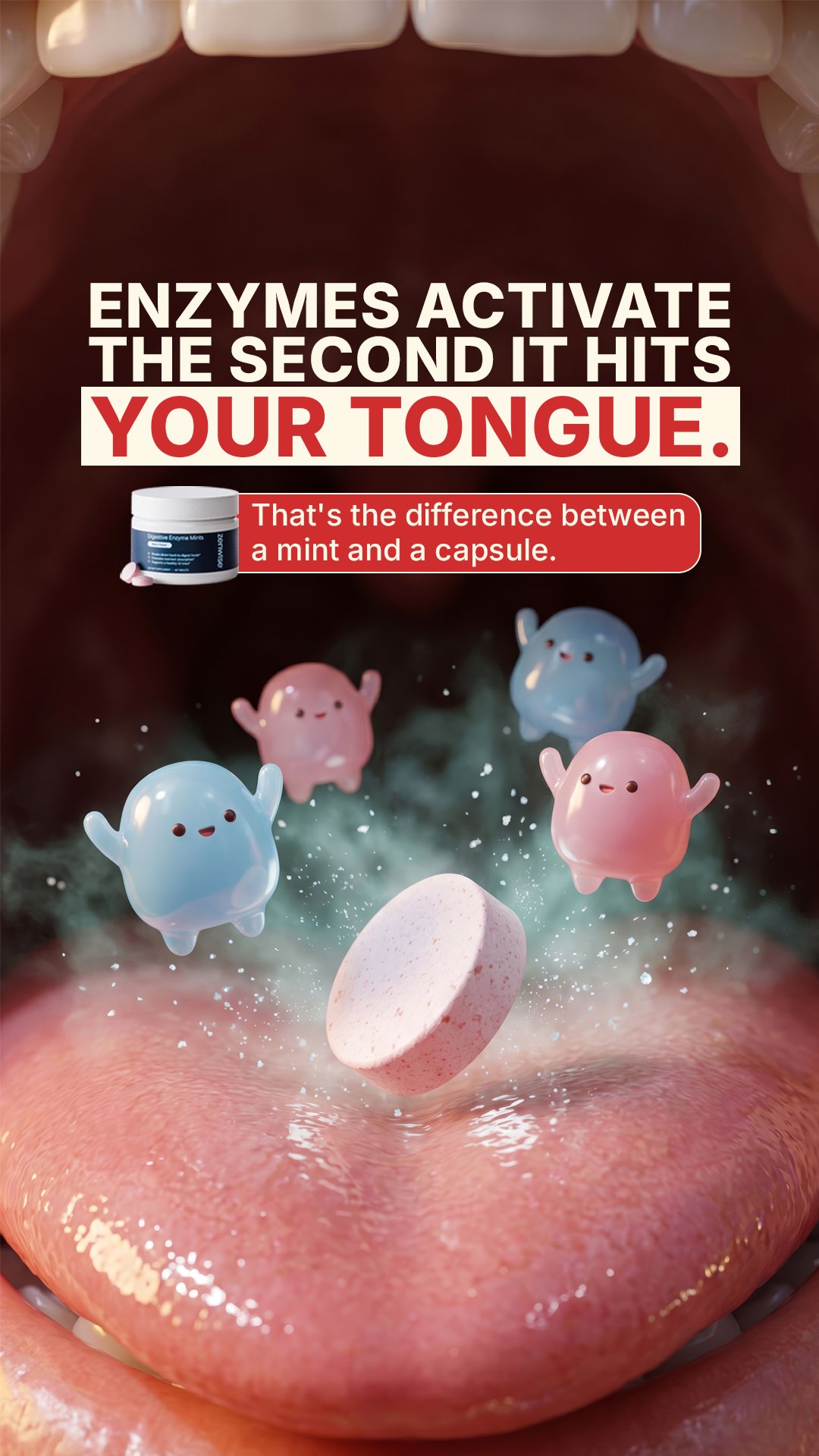
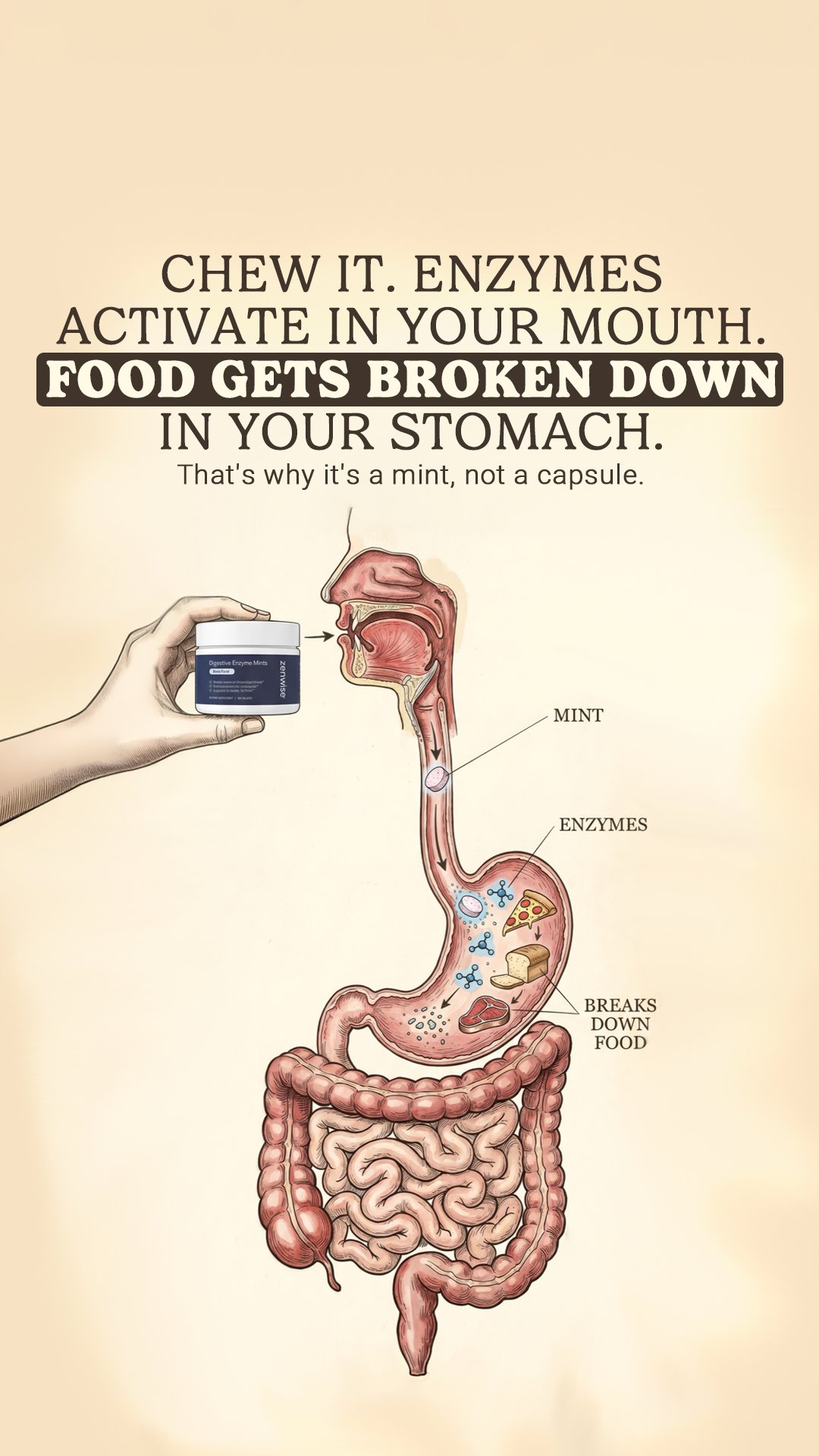
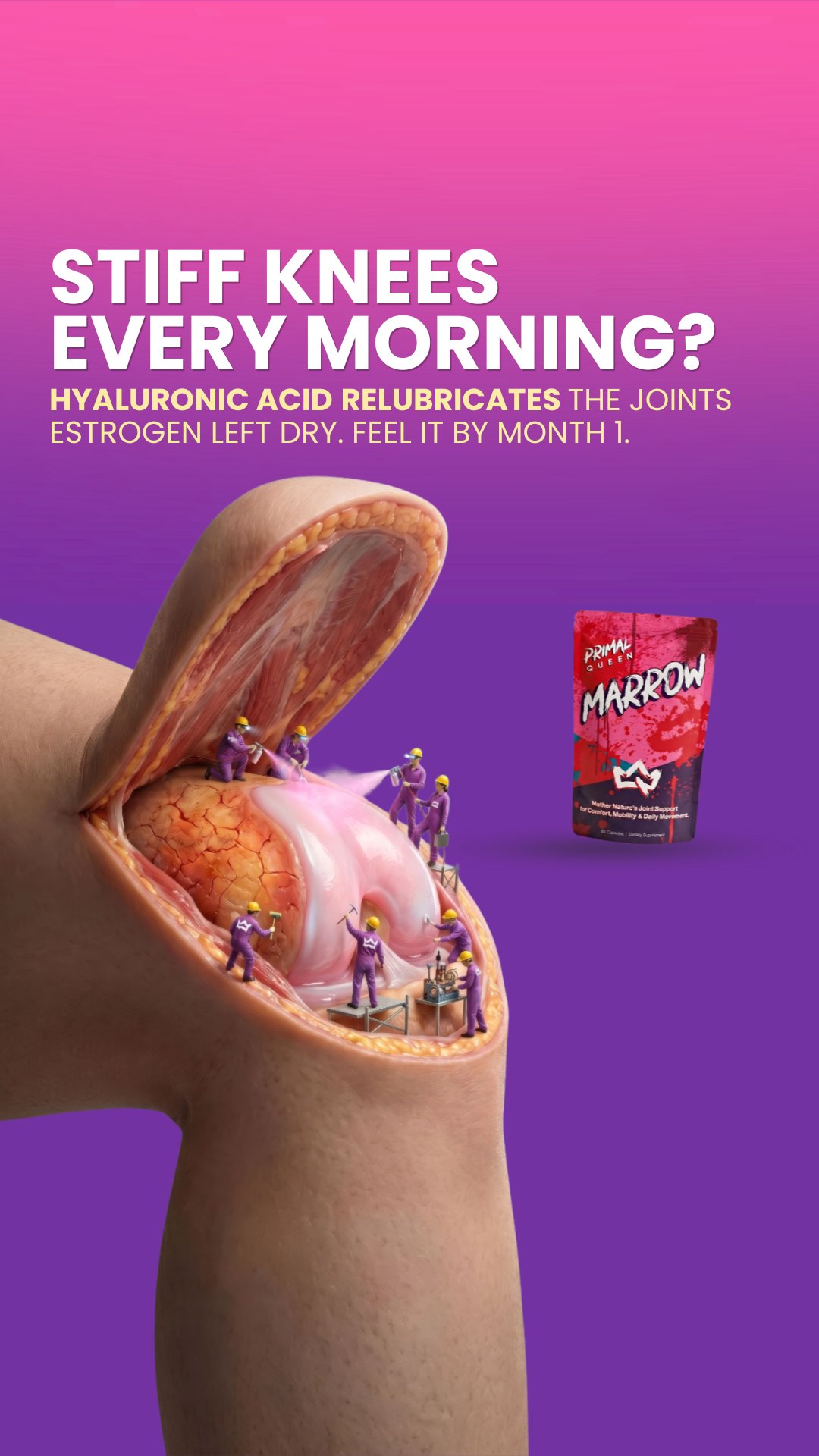
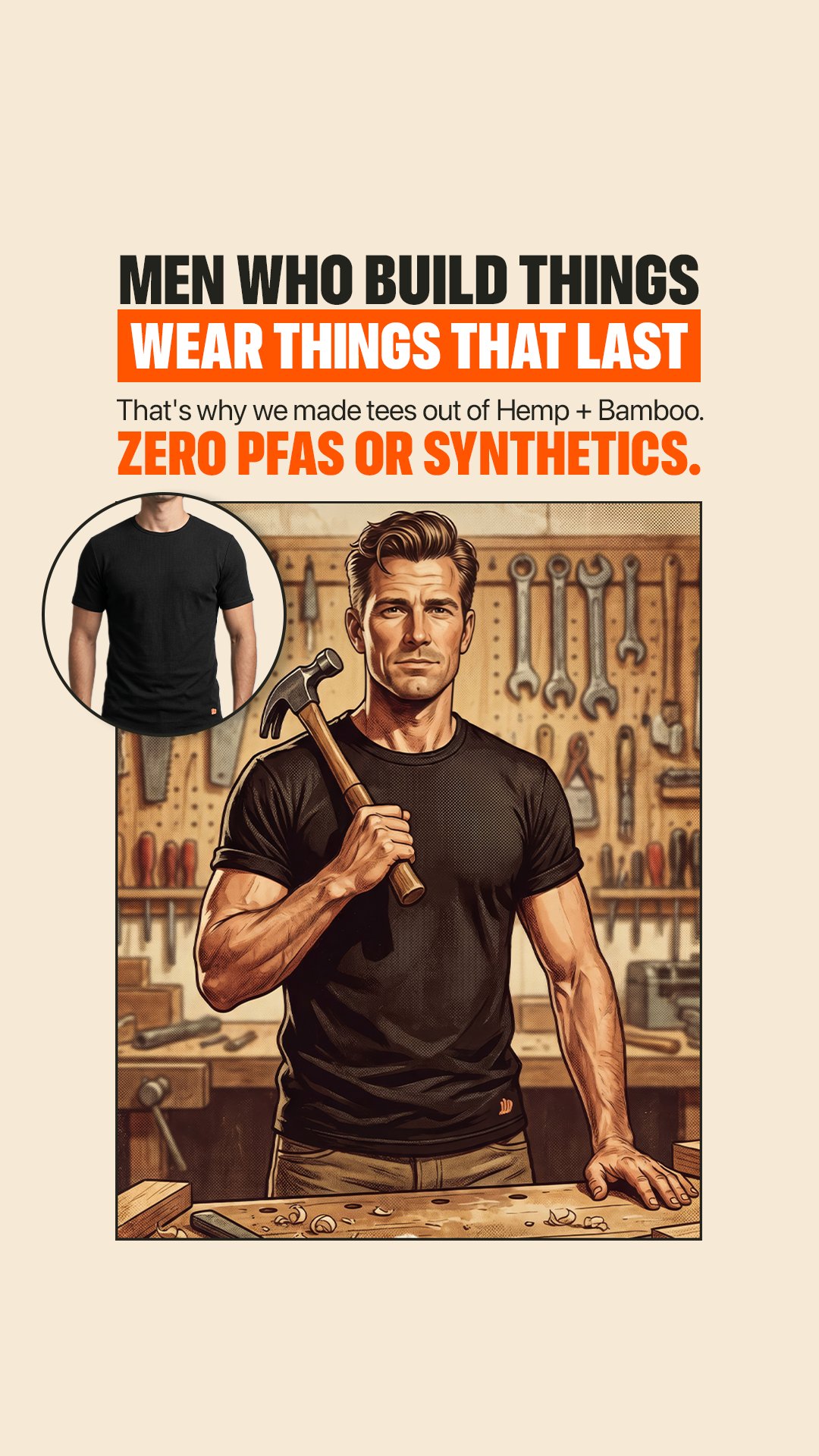
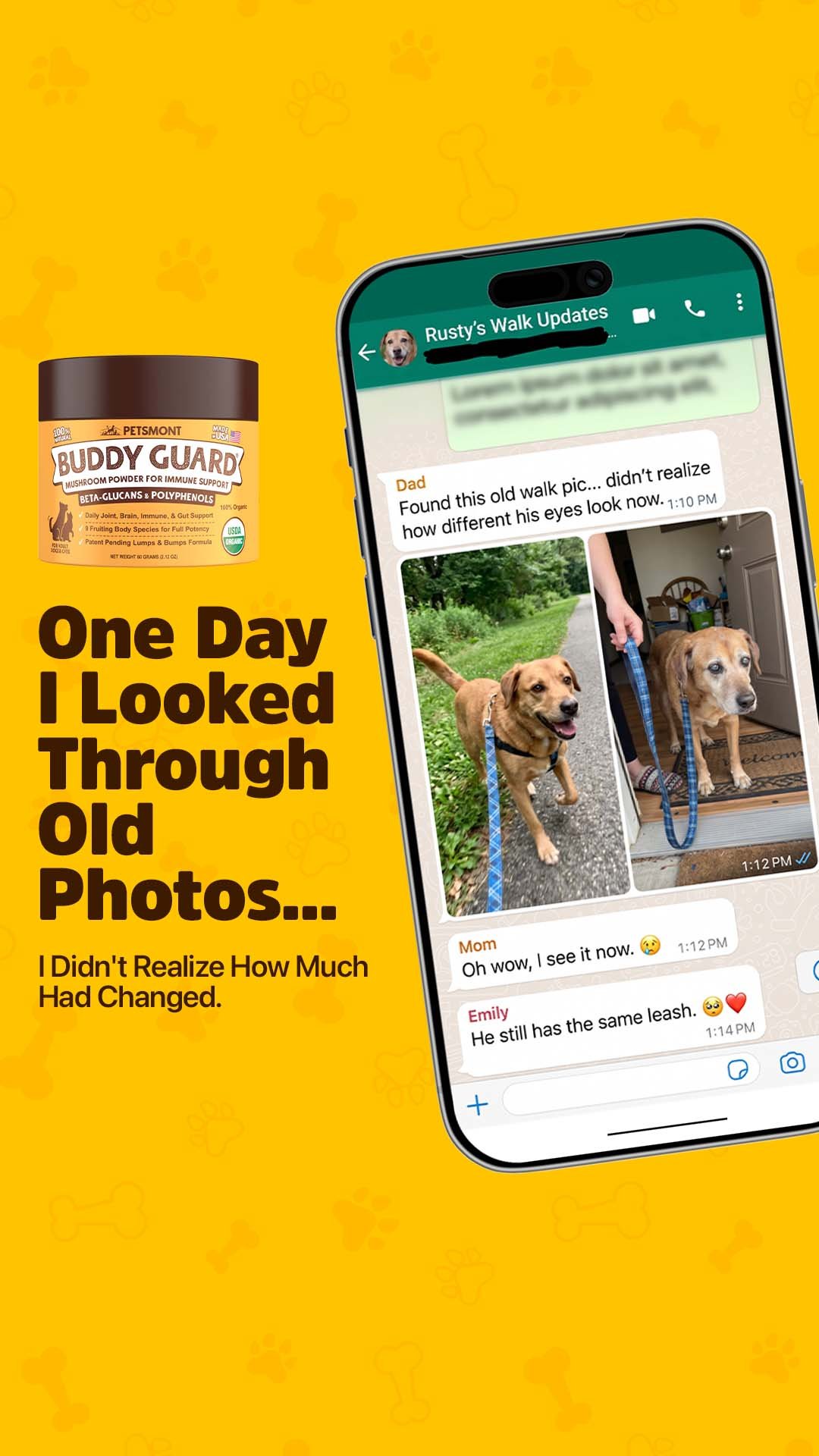
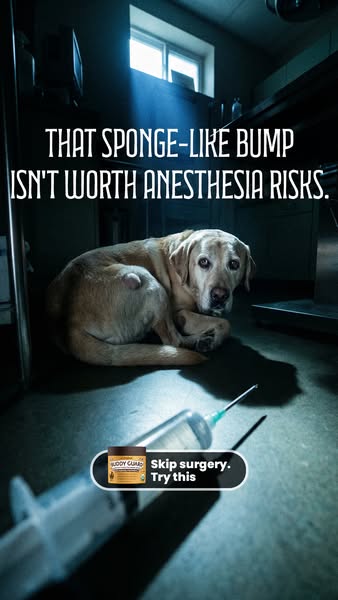
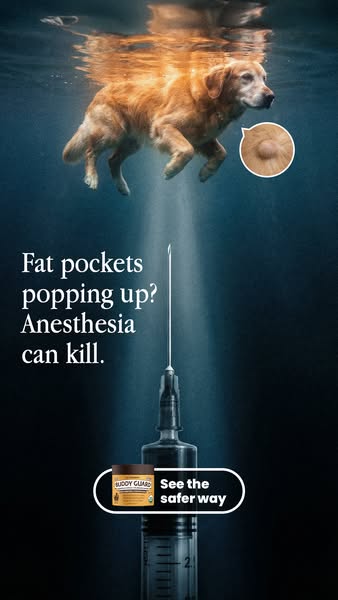
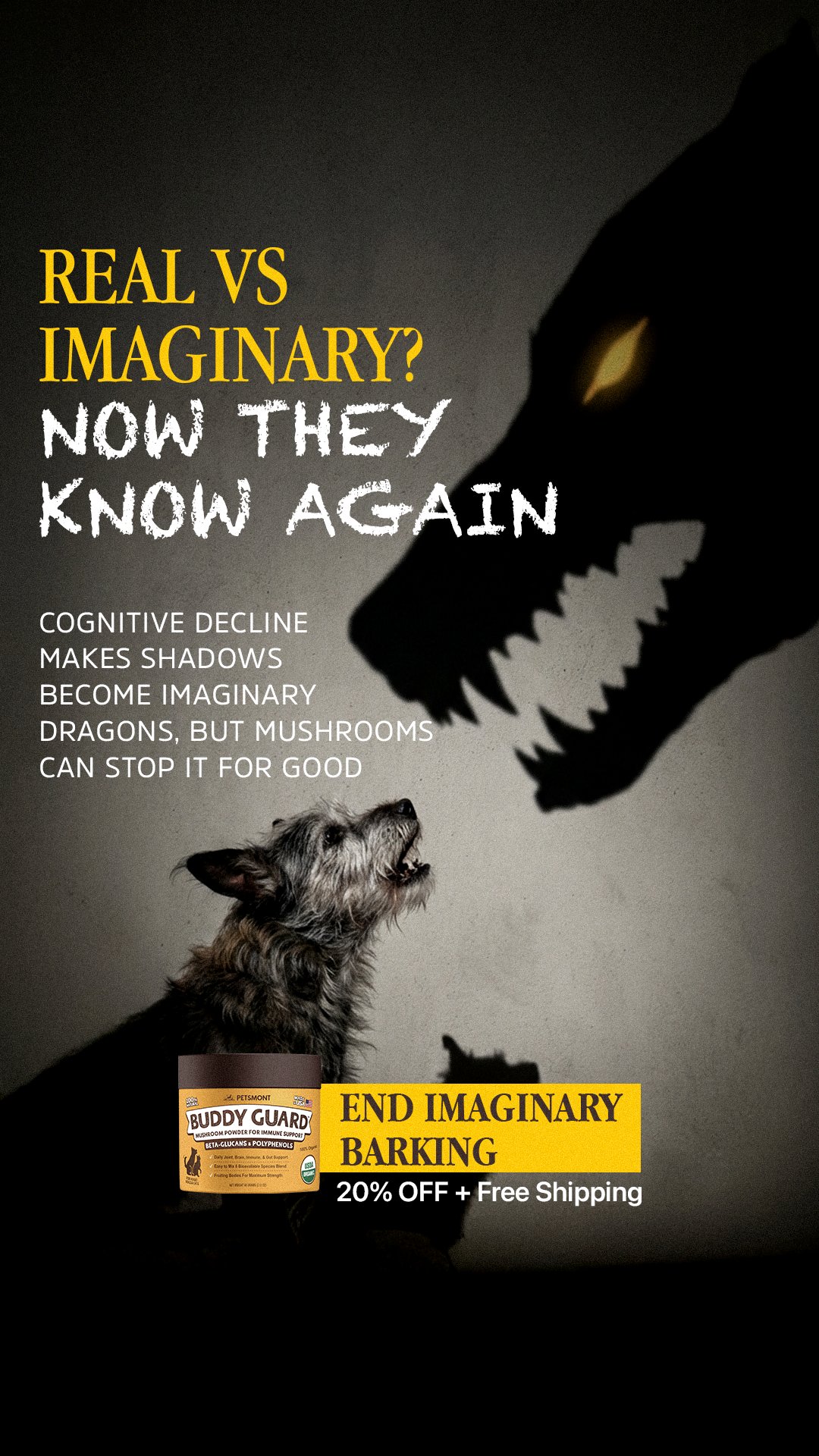
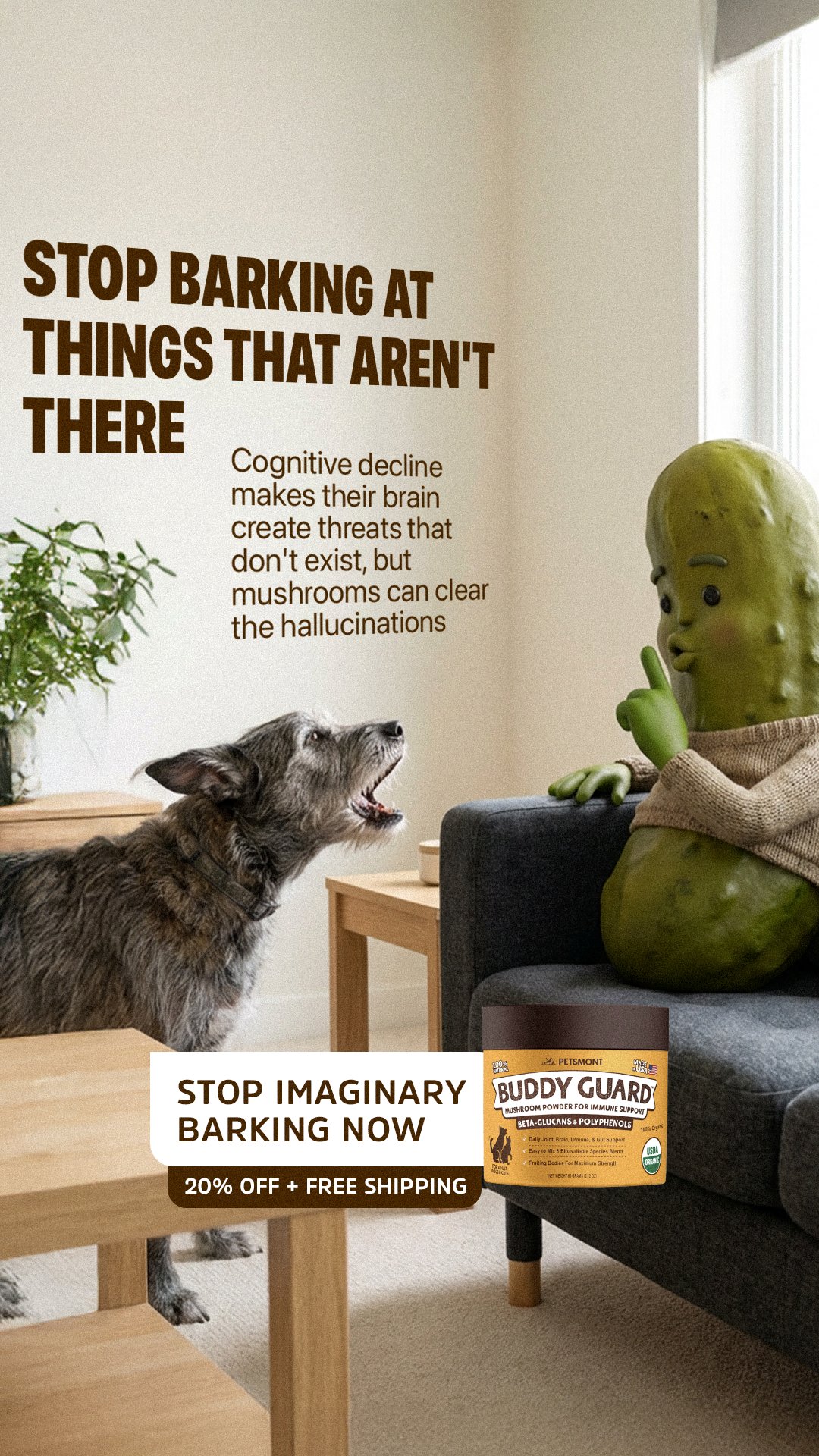
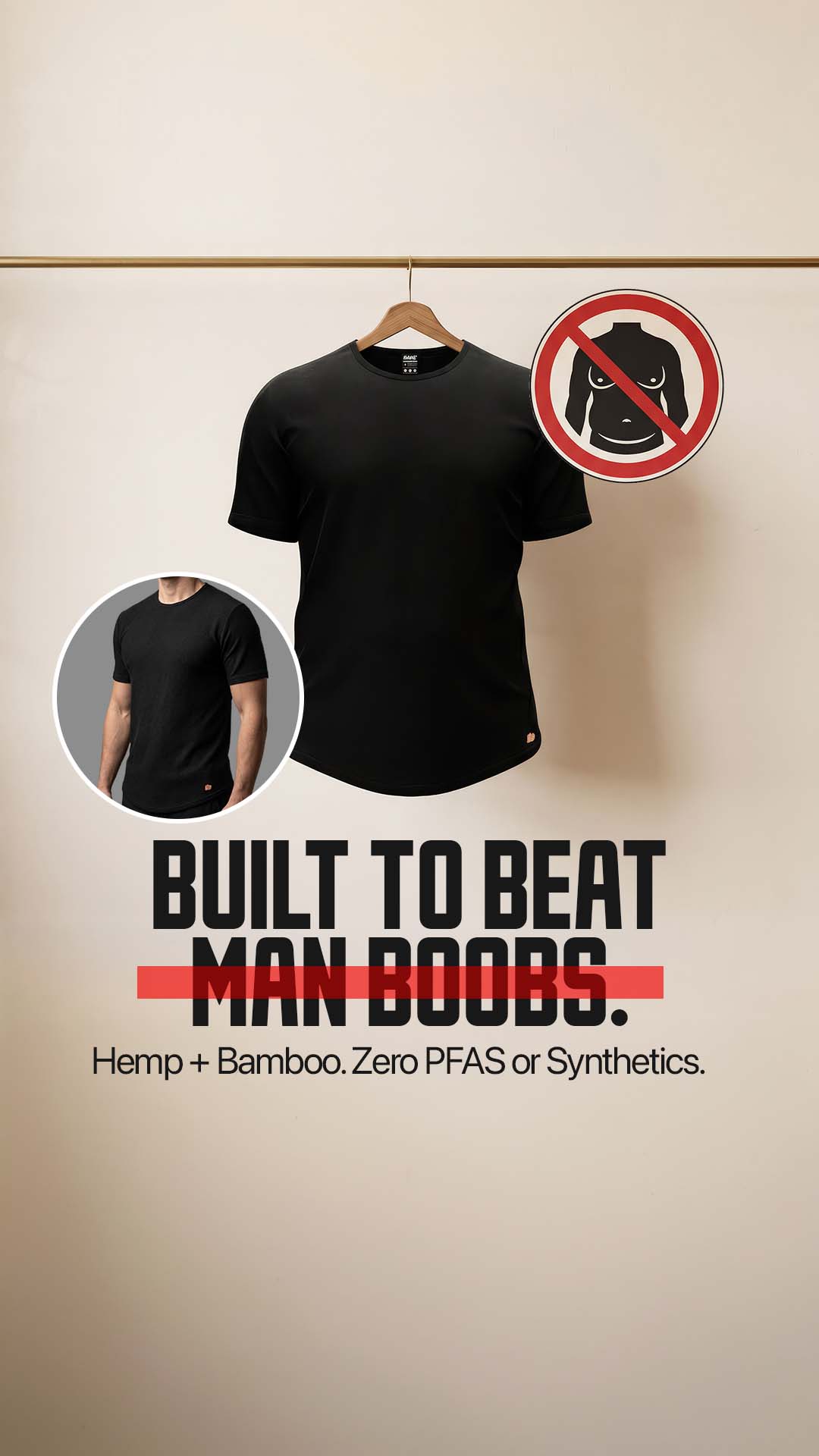
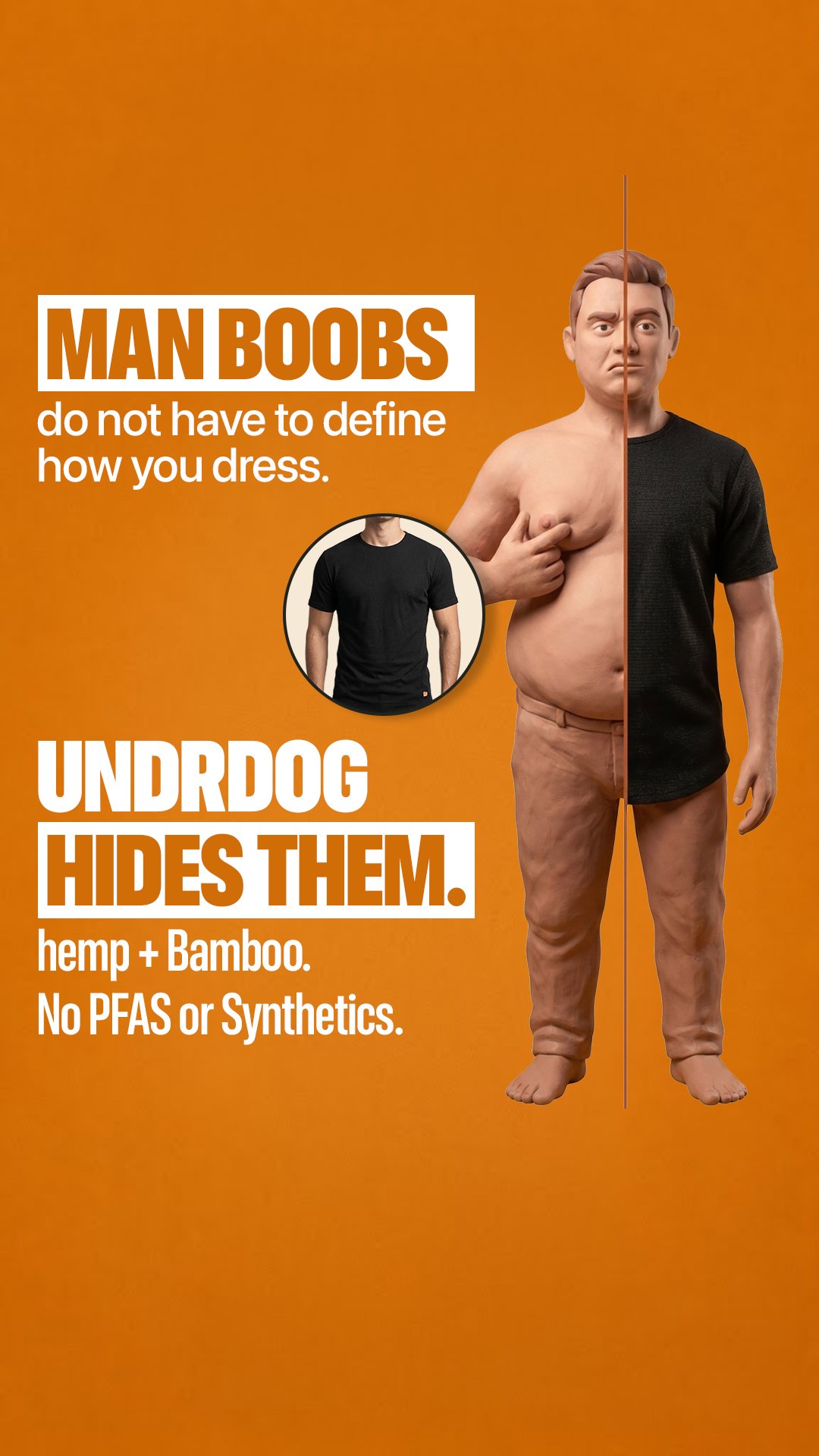
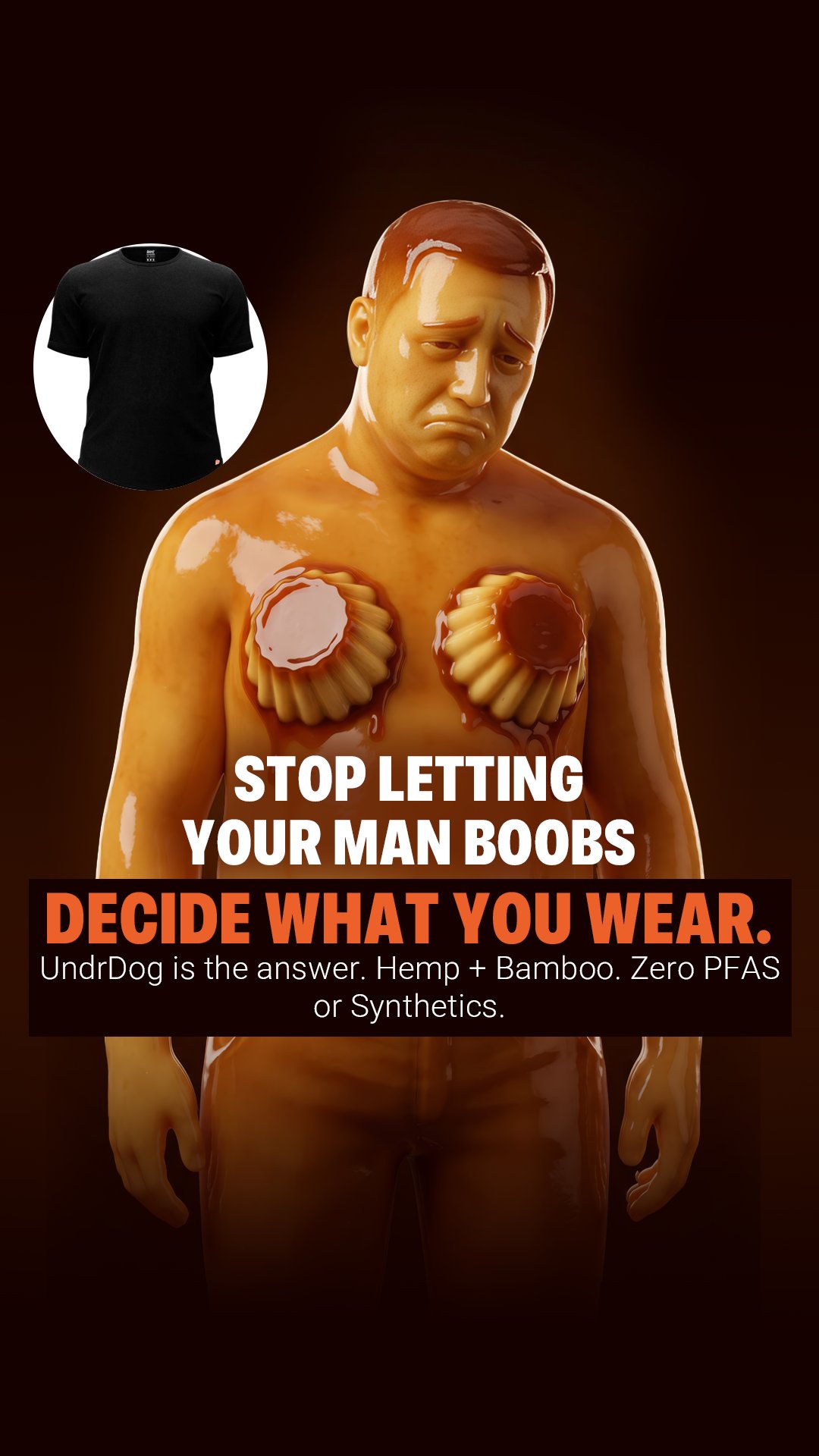
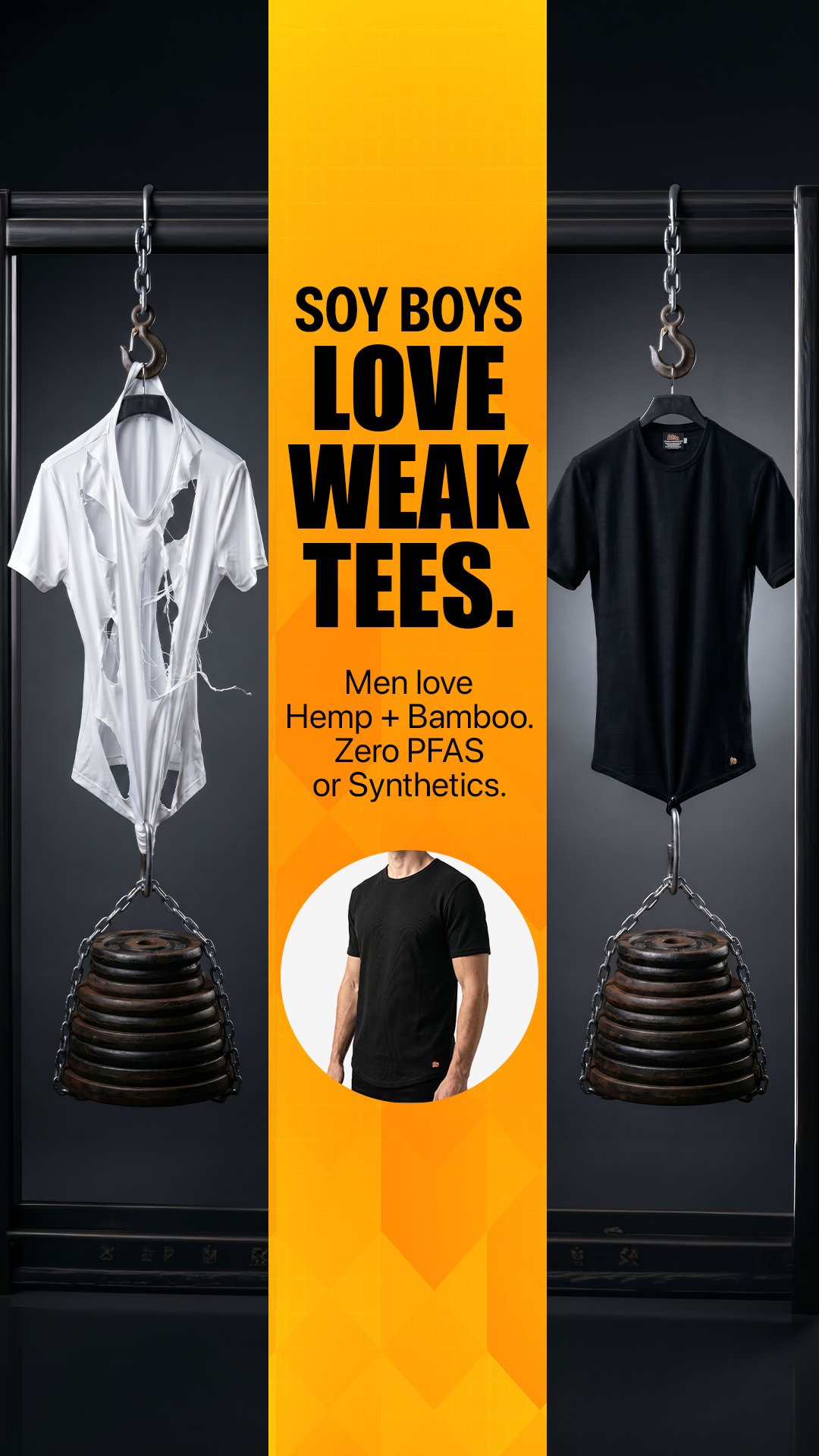
No video editing experience? No camera? No problem. In 2026, this is not a barrier. Every tool in this module is designed for people starting from zero. You'll produce 30–50 ads before spending on a single ad — that's the standard. Start, don't polish.
The best-performing ads look like organic content: native to the platform, slightly rough, person-to-camera, candid tone, natural lighting. When your ad looks indistinguishable from something a friend posted, you've bought yourself 5 additional seconds of attention. In a world of 1-second scroll speeds, that is everything.
"More production value = better results." The opposite is often true in 2026. Studio-shot, professionally edited content announces itself as an ad before anyone hears the message. Rough, native-looking content earns attention before the viewer consciously identifies it as an ad. Test lo-fi formats before investing in production.
"I need to hire someone to make creatives." AI tools in 2026 have eliminated that barrier. You can produce statics, AI-generated videos, animated ads, and realistic demo footage entirely with AI — at a fraction of the cost and time. Your phone and a few prompts are your studio.
"Longer ads explain the product better and convert more." For most products under $60, a 15–30 second ad outperforms a 90-second VSL. Longer ads are necessary for high-ticket or complex products. For impulse-buy products: get to the hook, get to the offer, get the click. Don't explain what doesn't need explaining.
"Sound-on ads perform better." 85% of mobile video is watched with sound off. Every video must communicate its core message visually and with on-screen captions. If your ad only works with sound, 85% of your impressions are wasted.
Ad Formats — Static Images
Static Image Ads — Best For Offers and Proof
- Best for: Problem/solution callouts, testimonial quotes, before/afters, offer-heavy messaging
Video ad formats (standard, AI-generated, UGC), production tools (CapCut, Creatify, ElevenLabs, MakeUGC), scripting workflows, and the full volume production system are all in the next module. Finish the static workflow here first, then move on.
Part A — Static Ads with AI
Static image ads are the fastest to produce and one of the highest-performing formats on Meta. They work especially well for offers, testimonials, before/after comparisons, and problem callouts. Start here before making videos.
Prompt templates and workflows for generating high-quality static ad images using GPT Image-2. Built by operators, for operators — covers product photography, lifestyle backgrounds, and ad-ready compositions.
Open Nano Banana 2 Prompt Doc →Tools to Use


All the AI static ad generation, product photography, and image tools you need — Canva, Adobe Express-style editing, AI product photography — are already included inside these two bundle subscriptions. Bought individually, these tools run $20–50/mo each; the bundles cover all of it for a fraction of the price.
Static Ad Step-by-Step Workflow
Open Claude or ChatGPT. Paste in your angle brief (the pain point, the avatar, the desired outcome). Prompt: "Write 5 Facebook ad headlines for [product] targeting [avatar] who has [pain]. Each headline must be under 10 words and lead with the problem." Edit for accuracy — AI generates structure, you verify the claims.
Use your supplier's product photos as the base. Run them through Higgsfield (or via Luxury Tools / ToolSuite) to generate lifestyle backgrounds and clean product imagery. Aim for 3–5 distinct visual treatments per angle.
Use a clean layout: product image (60% of frame) + headline (large, high contrast) + subheadline (benefit or proof) + CTA button ("Shop Now" or "Get Yours"). Keep it uncluttered — one message per ad. Create 3–4 variations of each layout by swapping the headline. You should produce 30–50 ads per product test in about 90 minutes once you have a template.
Create 10 statics per awareness level: (1) Problem-aware: "Still struggling with X?" (2) Solution-aware: "The [product] that fixes X in Y days." (3) Product-aware: "Why 50,000 people switched to [product]." (4) Most-aware: "Get [product] — 30-day money-back guarantee." (5) Testimonial: screenshot-style social proof with 5-star graphic. Mix formats across all 50 ads.