Find Winning Products
Don't guess. Use data. Your job is to find products that are already selling, in markets that already have proven demand, with angles that haven't been fully saturated. Here are the three methods operators actually use — in order of reliability.
You're not looking for a product nobody has found yet. You're looking for a product that's already selling — with a gap in the market for a better angle, a better offer, or a better creative. Competition is validation. Zero ads = zero demand.
You're looking for products that are already working for someone else. Competition means validation. The goal of this module is a shortlist of 3–5 products — not one perfect one.
What Makes a Winning Product — The 5 Criteria
Before you research anything, internalize this filter. Every product you consider should pass these five gates. A product that misses even one of them will fight you the entire way.
There must be demand already present in the market — people actively searching for or likely to search for this product. Selling something nobody wants is a fast path to a dead store. Gauge demand using Google Trends, AliExpress order volume, Amazon Best Sellers, and TikTok search frequency. If demand doesn't already exist, your job becomes creating it — which costs ten times more in ad spend than entering an existing conversation.
Problem-solving products sell themselves because they offer clear, tangible value. When a product solves a real pain point, you can position it as a "must-have" rather than a "nice-to-have" — and that positioning increases urgency, perceived value, and conversion rate simultaneously. Examples: long tangled cables → wireless charging dock. Pet fur everywhere → automatic pet hair vacuum. The clearer the before/after, the easier the ad writes itself.
Trendy products drive fast sales by leveraging existing momentum — the market is already paying attention. Spot trends by following creators on TikTok and Instagram, watching hashtags like #TikTokMadeMeBuyIt, and checking platforms like Pinterest Trends. Evergreen products work too, but they require stronger creative execution because you're not riding a wave. The ideal product is evergreen with a trending angle — broad appeal, timely hook.
A large portion of your revenue goes to paid advertising. A 65%+ gross margin (selling price minus COGS and shipping) ensures you still have money left after paying for ads, Shopify fees, transaction costs, and the occasional refund. Thinner margins mean a single bad week wipes out everything. The math is unforgiving: if you can't source the product at a price that gives you 65%+ margin at your intended selling price, move on.
Products with high perceived value can be priced at a premium even when their actual cost is low. Perceived value is built through quality presentation (strong images, well-written descriptions, fast site), branding (positioning as premium or exclusive), social proof (reviews, testimonials, influencer endorsement), and packaging (elegant or unique presentation). A simple pair of blue-light-blocking glasses that costs $5 to produce can sell for $40 if positioned correctly. That spread is where your margin lives.
Run every shortlisted product through these questions before spending an hour on research: Does existing demand show up in search or social data? Does it solve a clear problem I can demonstrate visually? Is it trending or does it have evergreen staying power? Can I source it at a margin that gives me 65%+ gross after shipping? Can I position it at a price point where the customer perceives far more value than they're paying? If "no" on any of these — skip it, not improve it.
Common Offer Types to Research
When scouting winning products in the Ad Library or TikTok, pay attention to the offer structure being used — not just the product. The offer is often the real differentiator.
Note the offer structure when you find a working product. You'll replicate it in Module 14.
Method 1 — Meta Ads Library
The Meta Ads Library is free and shows you every active ad running on Facebook and Instagram. This is the most direct way to see what's converting right now.
Visit facebook.com/ads/library. Select "All Ads" and choose your target country (US, UK, AU are highest-spending markets). Set the category to "All Ads."
Search terms like "knee pain," "back stretcher," "dog harness," "posture corrector," "kitchen gadget." Don't search brand names — search the problem or the product type.
Use the date filter to show ads that started 30+ days ago and are still active. An ad that's been running for 30–60+ days is almost certainly profitable — nobody runs losing ads for that long.
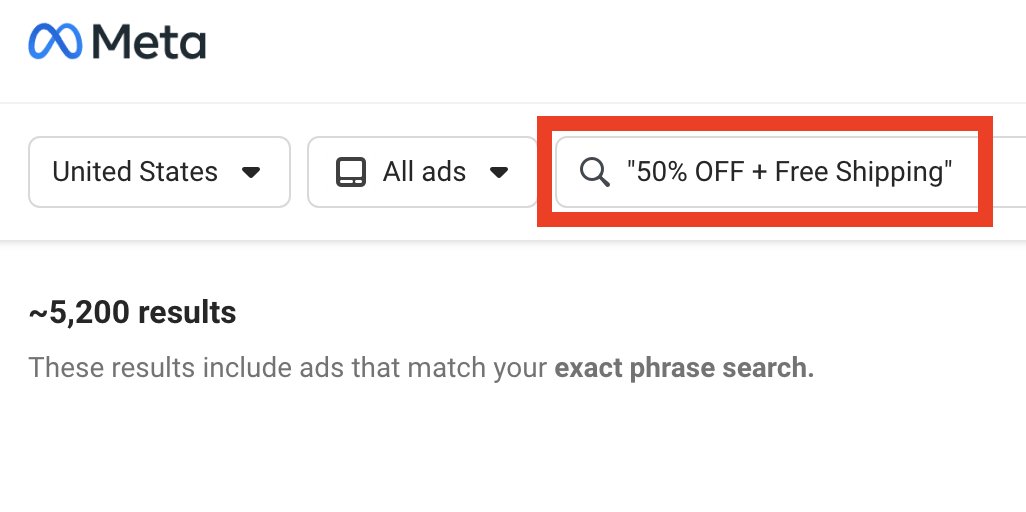
Multiple advertisers running similar products = proven market. One dominant advertiser with 50+ active ads = they've found a winning angle. High comment engagement (especially emotional comments like "I need this" or "Does this work?") = strong buyer intent. A product that appears across multiple brands = the market is real and scalable.
Zero ads = no proven demand (or Meta keeps banning it). One advertiser with exactly 1 ad = early test, not validation. Products where every visible ad is from massive brands (Amazon, Target) = you can't compete on price. Anything you can find in 10 seconds on Temu for under $5.
Method 2 — TikTok Scroll Method
TikTok's "For You" page shows viral products before they peak on Meta. What blows up organically on TikTok usually converts on paid Meta ads 4–8 weeks later.
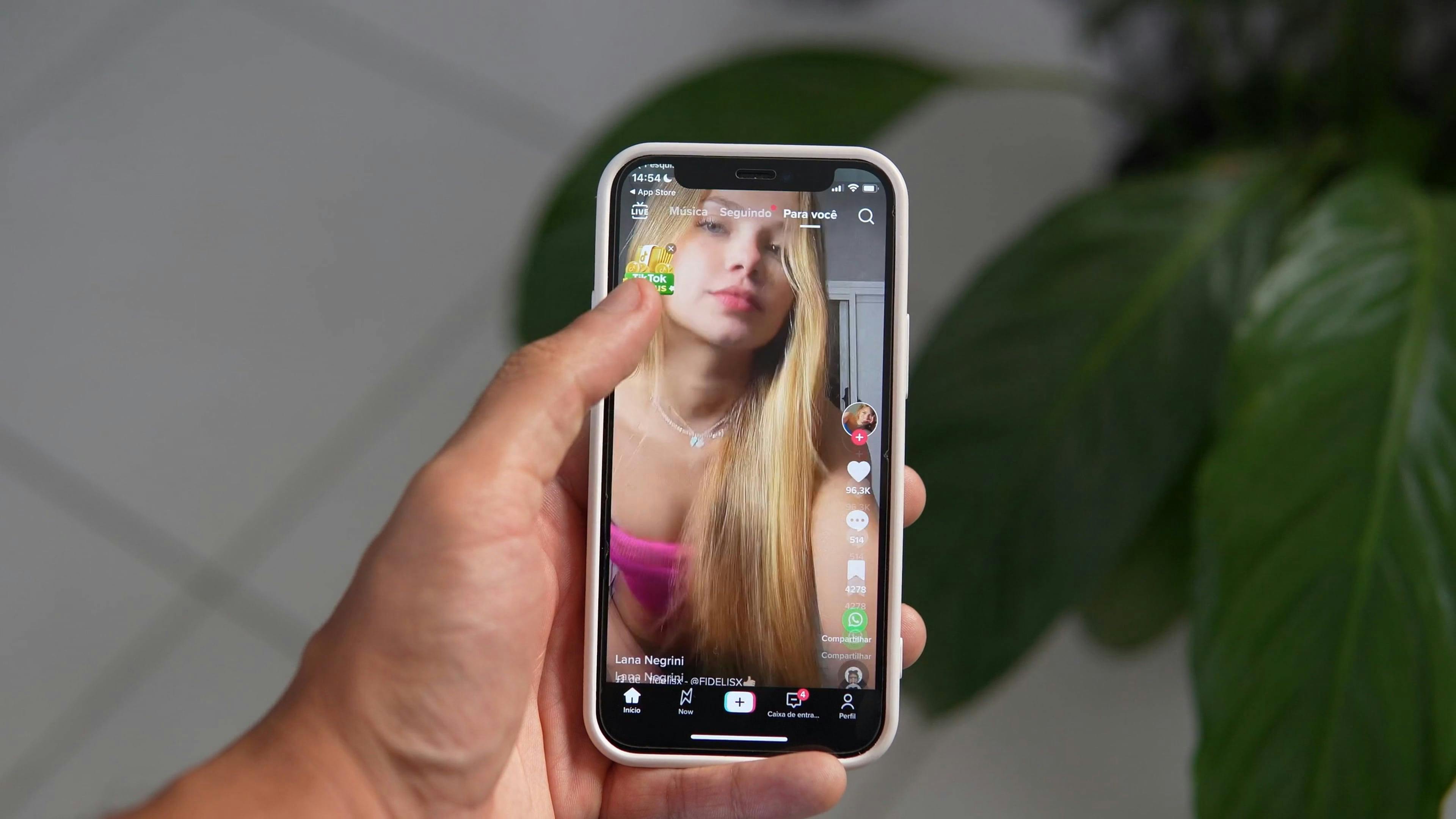
Install a VPN and connect to your target market (US, UK, AU). Open TikTok on your phone or log out and create a fresh account. TikTok will show you the algorithm for that market. This is critical — the Indian or UK feed is completely different from the US feed.
Search hashtags like #TikTokMadeMeBuyIt, #AmazonFinds, #ProductReview. Scroll your For You page for 20–30 minutes. You're looking for demo videos — showing a product working — that have 500K+ views and comments like "where can I buy this?" or "what's the link?"
High views (500K+) on a product demo = mass appeal. Comments asking where to buy = purchase intent. Multiple different creators making content about the same product = organic adoption. A product that's been trending for 2–4 weeks (not just one viral video) = sustained demand. Check if the product is already on TikTok Shop — if it is, it's validated.
Once you find a product trending on TikTok, search it immediately in Meta Ads Library. If ads are already running — great, you have cross-platform validation. If no Meta ads exist yet — you may have found something early. Either way, validate the sourcing math before moving forward.

Method 3 — Spy Tools
Spy tools scrape Meta and TikTok ad data at scale, showing you top-performing ads, estimated spend, and engagement signals. They cost money but save enormous research time.
Every spy and research tool in this course — Minea, AdSpy, Kalodata, ToolSuite, LuxuryTools, GetHookd, WinningHunter, PiPiAds, ShopHunter, Brandsearch, BigSpy, CreativeOS, SimilarWeb, and more — is bundled for a fraction of individual costs. Individually these run hundreds to thousands per month. The bundle is $29/month.


Kalodata — TikTok Shop Data Intelligence
If you're researching products with TikTok demand, Kalodata is worth a look. Go to the Products tab, filter by your niche, sort by Revenue (last 30 days). Products generating $50K–$500K/month on TikTok Shop have proven mass appeal. Look at the revenue trajectory (growing or declining?), and study the top-performing creator hooks — those are your ad templates. Always check whether it's already saturated or there's still room for a new angle before committing to a test.
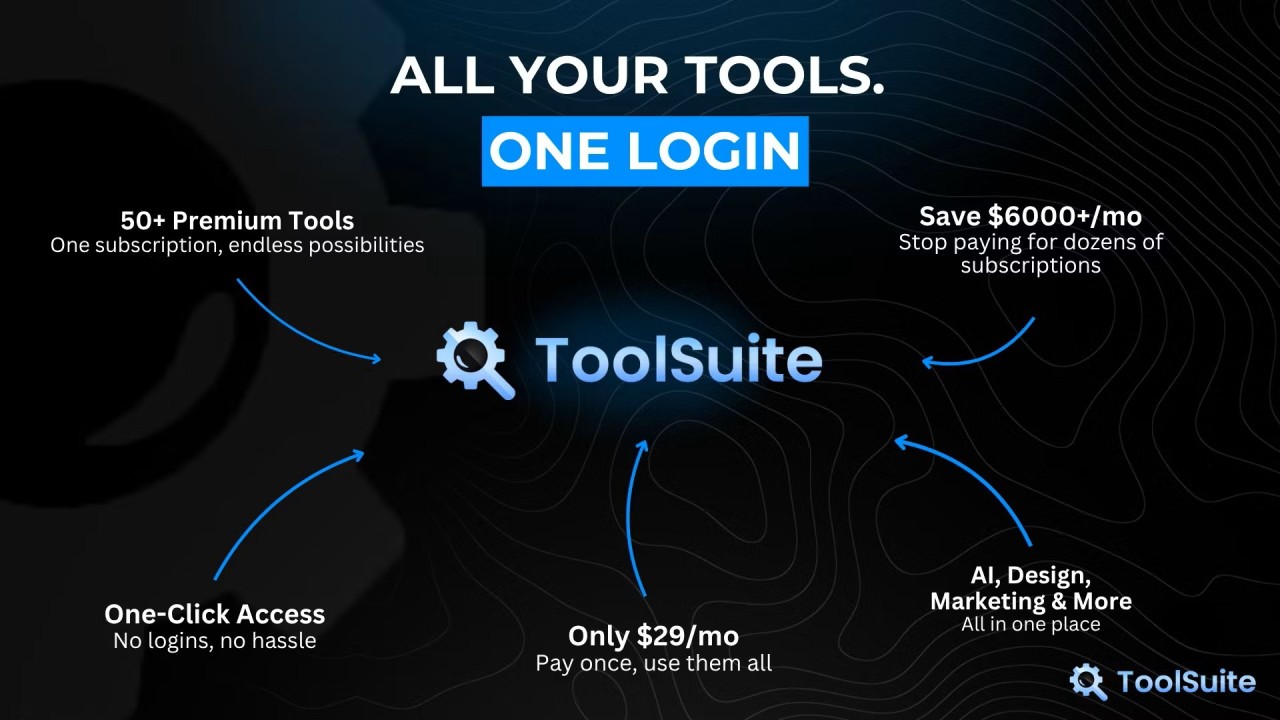

Open all three methods in separate browser tabs: facebook.com/ads/library (Meta), TikTok (logged in with your target market VPN), and a spy tool for your chosen niche. Recommended spy tools to choose from: Brandsearch, GetHookd, PiPiAds, Kalodata, and Minea. Get a subscription through ToolSuite or LuxuryTools and use all of these tools instead of paying for them separately — buy individual subscriptions only when you're making money. Run through each method for your chosen niche and document every product that passes the basic check. You need a shortlist of at least 5 candidates before moving on.
Use this sheet to document every product you research — source, margin check, saturation check, and validation status. Keeping this organised means you never lose a strong candidate and you build a record of your research over time.
Open Tracking Sheet →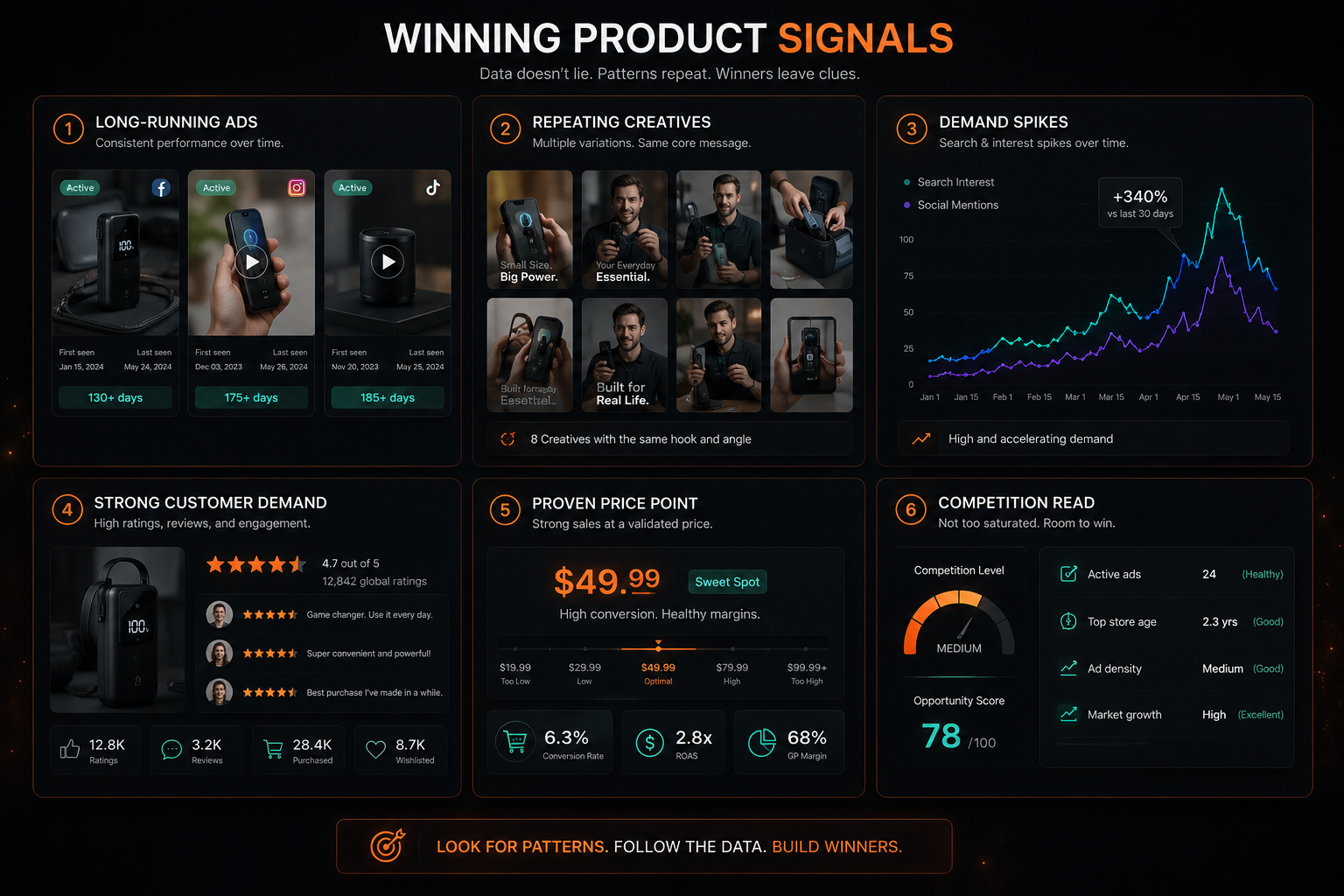
What to Do With Your Research
- Using all three methods, you should have a list of 5–10 product ideas with proven market demand
- For each product, note: where you found it (Ad Library / TikTok / spy tool / Amazon), how long ads have been running, approximate price point, and whether you can source at the right margin
- From that list, shortlist 3 products to take through the validation checklist (Module 05)
- You are NOT building a store yet. You are NOT ordering samples yet. You are only identifying candidates.
Beginners find one product they like and go straight to building the store. Instead, shortlist 3–5 products and run all of them through the validation framework. You'll often find your first choice fails the margin or saturation check — and your third choice is the real winner.
Before shortlisting any product, run through this check: Is it actively running on Meta for 30+ days? Can you source it for under 25% of your target sale price? Does it solve a clear, visible problem in 3 seconds of video? All three yes = worth testing. Ask people who've been through it in the Discord →
Output from this module:
- A list of 5–10 product candidates with source notes
- Each product checked: active ads 30+ days, sourcing math, wow factor
- 3 products shortlisted for the validation framework in Module 05

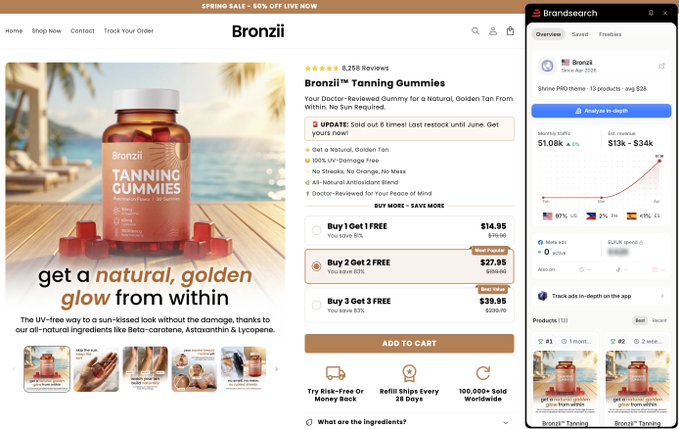
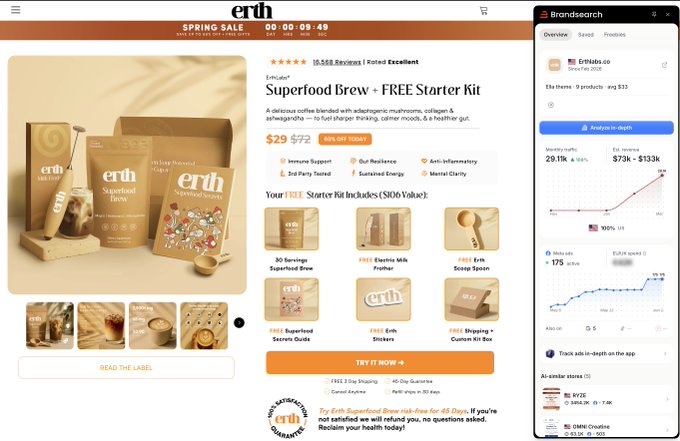
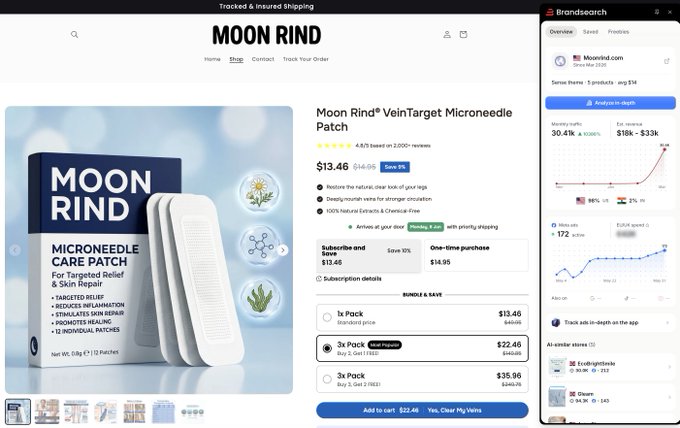
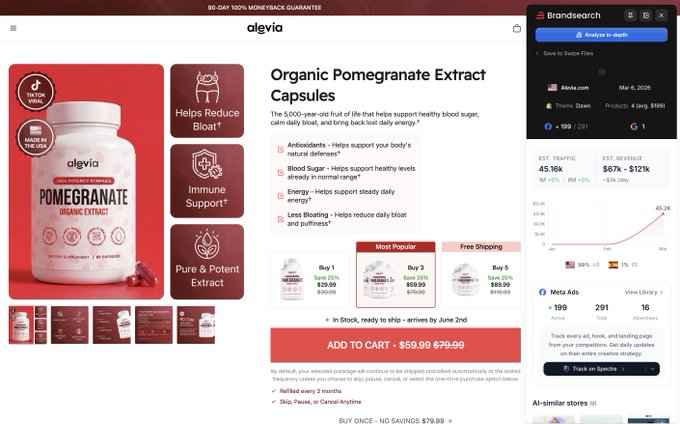
Stores scaled to real traffic with Facebook ads. Swipe through, or click any to magnify.
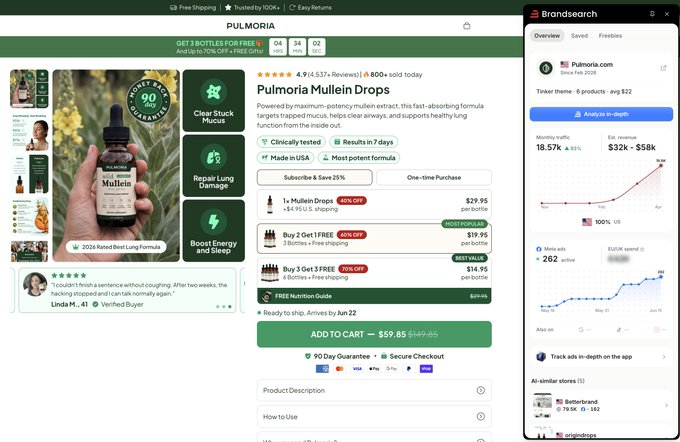
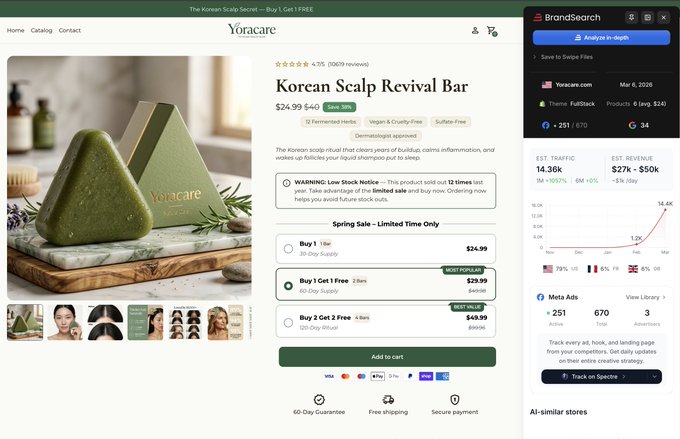
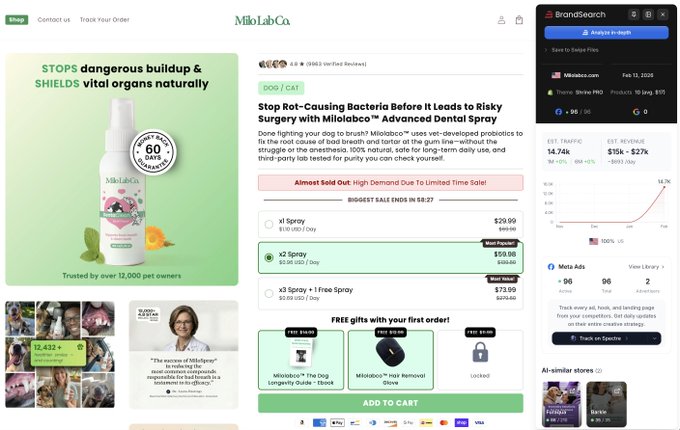
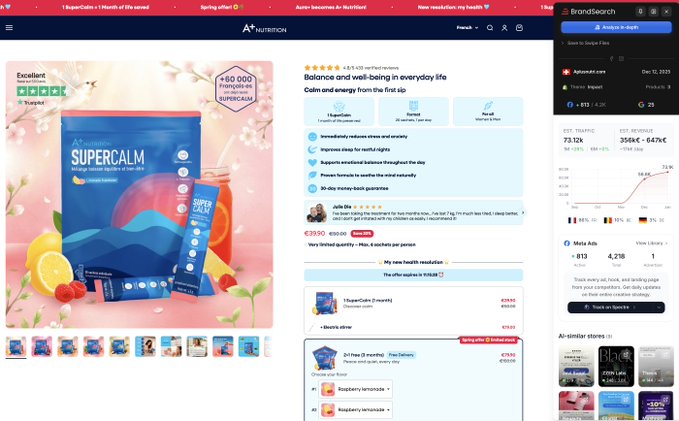
Quick reference — the 5 winning-product criteria
Every product you consider should clear all five before you spend on ads.